تعقد الترويكا الأوروبية وإيران، اليوم (الجمعة)، محادثات بشأن البرنامج النووي، في وقت تهدّد فيه الدول الأوروبية الثلاث بإعادة فرض العقوبات الأممية على طهران.
وأفاد مصدر أوروبي بأن الأوروبيين يستعدّون لتفعيل آلية إعادة فرض العقوبات «في حال عدم التوصل إلى حل تفاوضي»، داعيا الإيرانيين إلى استئناف تعاونهم مع الوكالة الدولية للطاقة الذرية.
فيما قالت الخارجية الإيرانية إن اجتماعنا مع الترويكا الأوروبية اليوم بمثابة فرصة لاختبار واقعيتها وتصحيح نظرتها بشأن الملف النووي. وعبرت في بيان عن أملها أن تستفيد بريطانيا وفرنسا وألمانيا من اجتماع اليوم لتعويض مواقفها غير البناءة السابقة.
ووصف نائب وزير الخارجية الإيراني كاظم غريب آبادي الذي يشارك بمحادثات إسطنبول، اللجوء إلى آلية «سناب باك» بأنّه «غير قانوني بتاتا»، مؤكدا أن الدول الأوروبية أنهت التزاماتها بعدما انسحبت الولايات المتحدة من الاتفاق عام 2018.
وقال «لقد حذّرناهم من المخاطر، لكنّنا ما زلنا نسعى إلى أرضية مشتركة».
وسبق أن هددت إيران بالانسحاب من معاهدة حظر الانتشار النووي التي تضمن الاستخدام السلمي للطاقة الذرية، إذا ما أعاد الأوروبيون فرض العقوبات الأممية عليها.
وتحمّل إيران وكالة الطاقة الذرية جزءا من المسؤولية عن الضربات الإسرائيلية والأمريكية التي طالت أراضيها، وقد علقت رسميا كل أشكال التعاون مع هذه الوكالة الأممية مطلع الشهر الجاري.
ويعد لقاء إسطنبول أول اجتماع بين الطرفين منذ شنّت إسرائيل هجوما واسع النطاق على إيران منتصف يونيو، ضربت خلاله مواقع نووية وعسكرية رئيسية مما أشعل فتيل حرب بين الطرفين استمرت 12 يوما وتدخّلت فيها الولايات المتّحدة بضرب 3 مواقع نووية إيرانية.
يذكر أن الدول الغربية الثلاث بالإضافة إلى الولايات المتّحدة والصين وروسيا هي الأطراف الموقّعة على الاتفاق النووي الذي أبرم عام 2015 مع إيران، ونص على فرض قيود كثيرة على النووي الإيراني مقابل رفع تدريجي لعقوبات الأمم المتحدة عن طهران. لكن الولايات المتحدة انسحبت عام 2018 من هذا الاتفاق من جانب واحد خلال الولاية الأولى للرئيس دونالد ترمب، وأعادت فرض عقوبات قاسية على طهران.
وتمسكت باريس ولندن وبرلين باتفاق 2015، مؤكدة رغبتها بمواصلة التجارة مع إيران، مما جنب الأخيرة إعادة فرض العقوبات الأممية أو الأوروبية عليها.
لكن العواصم الأوروبية الثلاث تتهم طهران بعدم الوفاء بالتزاماتها وتهدّدها بإعادة فرض العقوبات بموجب آلية منصوص عليها بالاتفاق. وبمجرد انتهاء صلاحية هذه الآلية في أكتوبر القادم يمكن إعادة فرض العقوبات الأممية على طهران.
وسط تهديدات بإعادة فرض العقوبات
إيران والترويكا الأوروبية وجهاً لوجه في إسطنبول
25 يوليو 2025 - 14:10
|
آخر تحديث 25 يوليو 2025 - 14:17
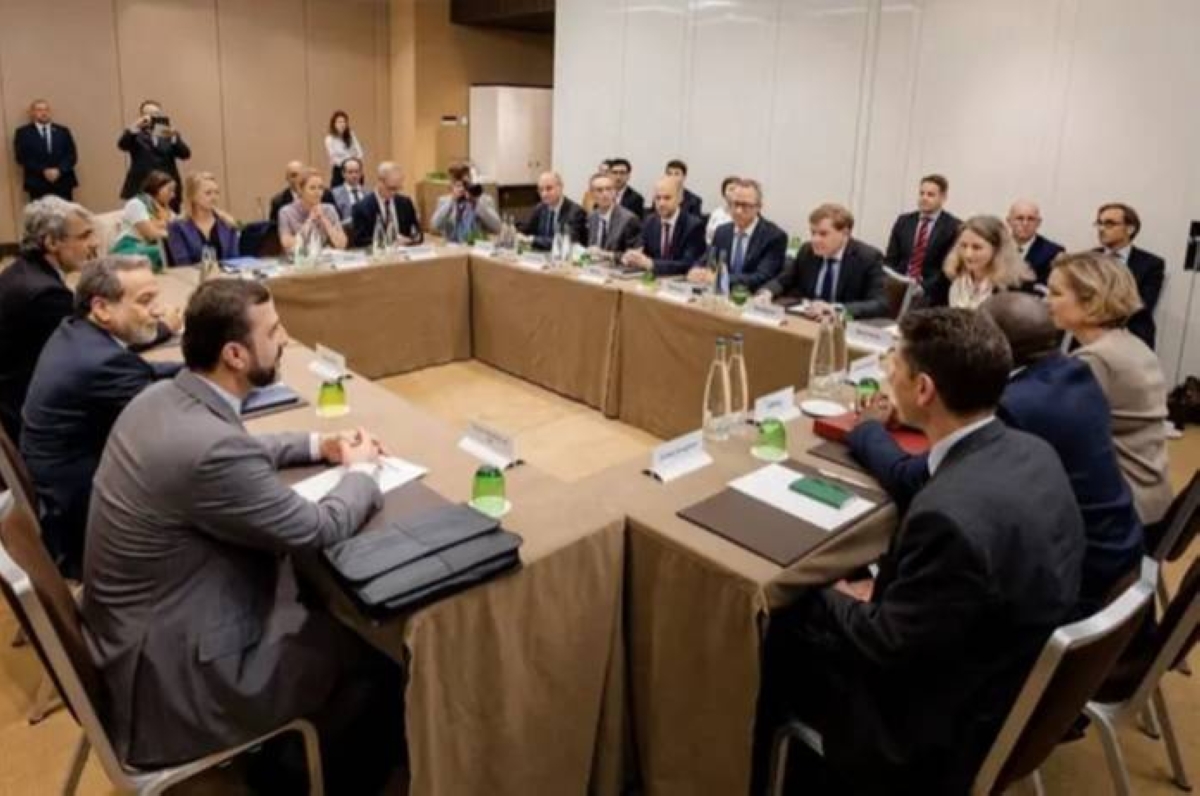
جولة محادثات سابقة .


تابع قناة عكاظ على الواتساب
«عكاظ»، وكالات (إسطنبول، جدة) okaz_online@
The European troika and Iran are holding talks today (Friday) regarding the nuclear program, at a time when the three European countries threaten to reimpose UN sanctions on Tehran.
An European source reported that the Europeans are preparing to activate the mechanism for reimposing sanctions "in the event that a negotiated solution is not reached," calling on the Iranians to resume their cooperation with the International Atomic Energy Agency.
The Iranian Foreign Ministry stated that our meeting with the European troika today is an opportunity to test their realism and correct their perspective on the nuclear file. In a statement, it expressed hope that Britain, France, and Germany would benefit from today's meeting to compensate for their previous unconstructive positions.
Iranian Deputy Foreign Minister Kazem Gharib Abadi, who is participating in the Istanbul talks, described the resort to the "snapback" mechanism as "completely illegal," emphasizing that the European countries ended their commitments after the United States withdrew from the agreement in 2018.
He said, "We warned them of the risks, but we are still seeking common ground."
Iran has previously threatened to withdraw from the Treaty on the Non-Proliferation of Nuclear Weapons, which guarantees the peaceful use of nuclear energy, if the Europeans reimpose UN sanctions on it.
Iran holds the IAEA partly responsible for the Israeli and American strikes that targeted its territory, and it officially suspended all forms of cooperation with this UN agency at the beginning of this month.
The Istanbul meeting is the first between the two sides since Israel launched a large-scale attack on Iran in mid-June, during which it struck key nuclear and military sites, igniting a war between the two sides that lasted 12 days and involved the United States striking three Iranian nuclear sites.
It is worth noting that the three Western countries, along with the United States, China, and Russia, are the signatories to the nuclear agreement reached in 2015 with Iran, which imposed many restrictions on Iran's nuclear program in exchange for a gradual lifting of UN sanctions on Tehran. However, the United States unilaterally withdrew from this agreement in 2018 during President Donald Trump's first term and reimposed harsh sanctions on Tehran.
Paris, London, and Berlin have maintained their commitment to the 2015 agreement, affirming their desire to continue trade with Iran, which spared the latter from the reimposition of UN or European sanctions.
However, the three European capitals accuse Tehran of failing to meet its commitments and threaten to reimpose sanctions under a mechanism stipulated in the agreement. Once this mechanism expires in October, UN sanctions can be reimposed on Tehran.
An European source reported that the Europeans are preparing to activate the mechanism for reimposing sanctions "in the event that a negotiated solution is not reached," calling on the Iranians to resume their cooperation with the International Atomic Energy Agency.
The Iranian Foreign Ministry stated that our meeting with the European troika today is an opportunity to test their realism and correct their perspective on the nuclear file. In a statement, it expressed hope that Britain, France, and Germany would benefit from today's meeting to compensate for their previous unconstructive positions.
Iranian Deputy Foreign Minister Kazem Gharib Abadi, who is participating in the Istanbul talks, described the resort to the "snapback" mechanism as "completely illegal," emphasizing that the European countries ended their commitments after the United States withdrew from the agreement in 2018.
He said, "We warned them of the risks, but we are still seeking common ground."
Iran has previously threatened to withdraw from the Treaty on the Non-Proliferation of Nuclear Weapons, which guarantees the peaceful use of nuclear energy, if the Europeans reimpose UN sanctions on it.
Iran holds the IAEA partly responsible for the Israeli and American strikes that targeted its territory, and it officially suspended all forms of cooperation with this UN agency at the beginning of this month.
The Istanbul meeting is the first between the two sides since Israel launched a large-scale attack on Iran in mid-June, during which it struck key nuclear and military sites, igniting a war between the two sides that lasted 12 days and involved the United States striking three Iranian nuclear sites.
It is worth noting that the three Western countries, along with the United States, China, and Russia, are the signatories to the nuclear agreement reached in 2015 with Iran, which imposed many restrictions on Iran's nuclear program in exchange for a gradual lifting of UN sanctions on Tehran. However, the United States unilaterally withdrew from this agreement in 2018 during President Donald Trump's first term and reimposed harsh sanctions on Tehran.
Paris, London, and Berlin have maintained their commitment to the 2015 agreement, affirming their desire to continue trade with Iran, which spared the latter from the reimposition of UN or European sanctions.
However, the three European capitals accuse Tehran of failing to meet its commitments and threaten to reimpose sanctions under a mechanism stipulated in the agreement. Once this mechanism expires in October, UN sanctions can be reimposed on Tehran.