


أصدرت محكمة استئناف فيدرالية في سان فرانسيسكو، حكماً بأن الأمر التنفيذي للرئيس الأمريكي دونالد ترمب، الذي يقيد الجنسية التلقائية بالميلاد، غير دستوري، ومنعت تنفيذه على مستوى الولايات المتحدة.
جاء قرار محكمة الدائرة التاسعة، بنتيجة 2-1، كأول تقييم استئنافي لقانونية الأمر بعد أن حدّت المحكمة العليا في يونيو من سلطة القضاة لإصدار أوامر قضائية وطنية ضد سياسات ترمب.
وأوضحت الأغلبية في المحكمة أن الولايات التي رفعها الديمقراطيون - واشنطن، أريزونا، إلينوي، وأوريغون - تستحق أمراً قضائياً وطنياً، لأن أمراً محدوداً جغرافياً لن يوفر تسوية كاملة.
وأكد القاضي رونالد غولد أن الأمر التنفيذي ينتهك البند الدستوري للجنسية في التعديل الرابع عشر، الذي ينص على أن كل شخص يولد في الولايات المتحدة ويخضع لولايتها يعتبر مواطناً.
وقال المدعي العام في واشنطن نيك براون إن الرئيس لا يمكنه إعادة تعريف معنى أن تكون أمريكياً بجرة قلم.
ووقّع ترمب الأمر في 20 يناير، أول أيام ولايته الثانية، لمنع منح الجنسية للأطفال المولودين في الولايات المتحدة إذا لم يكن أحد والديهم مواطناً أمريكياً أو مقيماً دائماً.
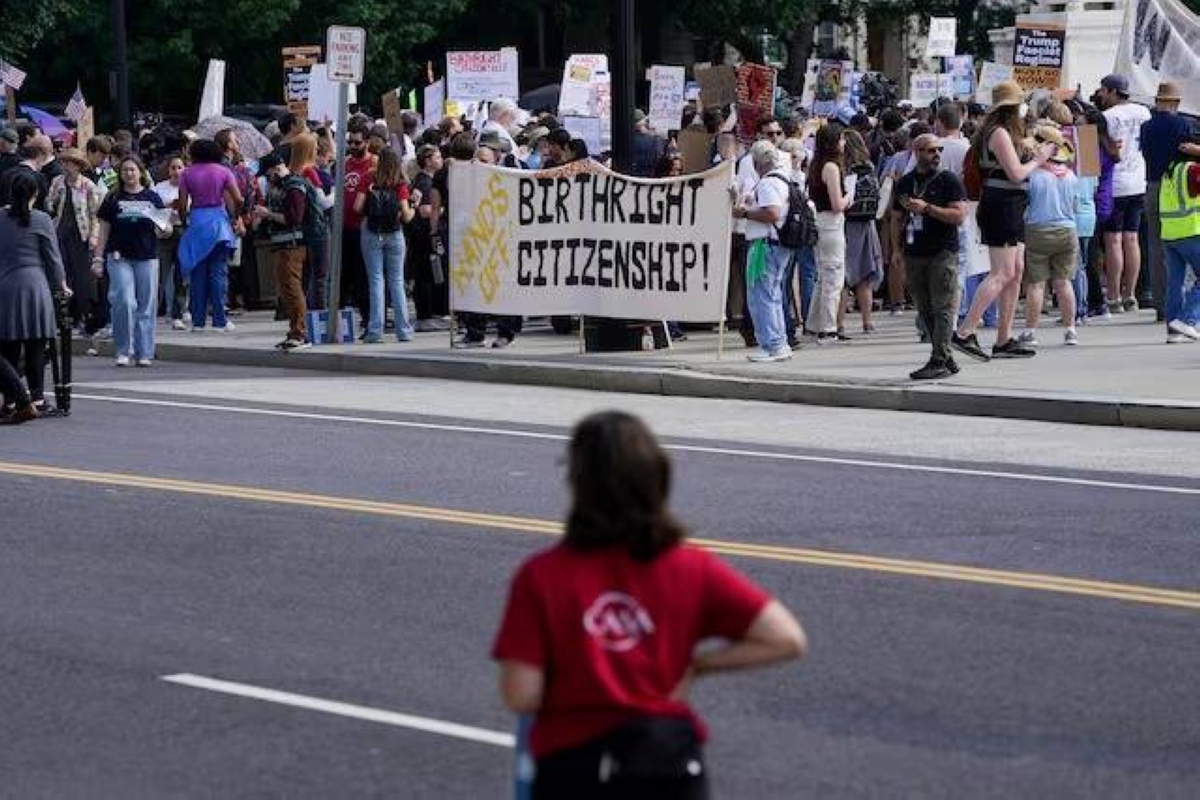
وواجه الأمر تحديات فورية من 22 ولاية ديمقراطية ومدافعين عن حقوق المهاجرين، الذين اعتبروه انتهاكاً للدستور.
وقد أوقف القاضي الفيدرالي جون كوغينور، في سياتل، الأمر أولاً، واصفاً إياه بـ«غير الدستوري بشكل صارخ»، وهو الحكم الذي أيدته محكمة الاستئناف.
وقد تلجأ إدارة ترمب إلى استئناف الحكم أمام لجنة أوسع من قضاة الدائرة التاسعة أو المحكمة العليا، وأعربت المتحدثة باسم البيت الأبيض أبيغيل جاكسون عن ثقتها بإلغاء الحكم، معتبرة أن المحكمة أساءت تفسير التعديل الرابع عشر.
محكمة أمريكية تتحدى ترمب بحماية الجنسية بالميلاد
24 يوليو 2025 - 18:33
|
آخر تحديث 24 يوليو 2025 - 18:33


تابع قناة عكاظ على الواتساب
محمد صديق (القاهرة) okaz_online@
A federal appeals court in San Francisco ruled that President Donald Trump's executive order, which restricts automatic citizenship by birth, is unconstitutional and blocked its implementation nationwide.
The Ninth Circuit Court's decision, with a 2-1 outcome, is the first appellate assessment of the legality of the order after the Supreme Court limited judges' authority in June to issue nationwide injunctions against Trump's policies.
The majority in the court explained that the states brought by the Democrats—Washington, Arizona, Illinois, and Oregon—deserve a nationwide injunction because a geographically limited order would not provide complete relief.
Judge Ronald Gould affirmed that the executive order violates the constitutional clause on citizenship in the Fourteenth Amendment, which states that anyone born in the United States and subject to its jurisdiction is considered a citizen.
Washington Attorney General Nick Brown stated that the president cannot redefine what it means to be American with the stroke of a pen.
Trump signed the order on January 20, the first day of his second term, to prevent granting citizenship to children born in the United States if neither of their parents is a U.S. citizen or permanent resident.
The order faced immediate challenges from 22 Democratic states and immigrant rights advocates, who deemed it a violation of the Constitution.
Federal Judge John Coughenour in Seattle initially blocked the order, describing it as "flagrantly unconstitutional," a ruling that was upheld by the appeals court.
The Trump administration may appeal the ruling to a larger panel of Ninth Circuit judges or to the Supreme Court, and White House spokesperson Abigail Jackson expressed confidence that the ruling would be overturned, arguing that the court misinterpreted the Fourteenth Amendment.
The Ninth Circuit Court's decision, with a 2-1 outcome, is the first appellate assessment of the legality of the order after the Supreme Court limited judges' authority in June to issue nationwide injunctions against Trump's policies.
The majority in the court explained that the states brought by the Democrats—Washington, Arizona, Illinois, and Oregon—deserve a nationwide injunction because a geographically limited order would not provide complete relief.
Judge Ronald Gould affirmed that the executive order violates the constitutional clause on citizenship in the Fourteenth Amendment, which states that anyone born in the United States and subject to its jurisdiction is considered a citizen.
Washington Attorney General Nick Brown stated that the president cannot redefine what it means to be American with the stroke of a pen.
Trump signed the order on January 20, the first day of his second term, to prevent granting citizenship to children born in the United States if neither of their parents is a U.S. citizen or permanent resident.
The order faced immediate challenges from 22 Democratic states and immigrant rights advocates, who deemed it a violation of the Constitution.
Federal Judge John Coughenour in Seattle initially blocked the order, describing it as "flagrantly unconstitutional," a ruling that was upheld by the appeals court.
The Trump administration may appeal the ruling to a larger panel of Ninth Circuit judges or to the Supreme Court, and White House spokesperson Abigail Jackson expressed confidence that the ruling would be overturned, arguing that the court misinterpreted the Fourteenth Amendment.


