


عبر المبعوث الأمريكي توم براك عن تفاؤله بنتائج زيارته الثالثة إلى بيروت، مؤكداً أن الولايات المتحدة لن تتخلى عن لبنان. ووصف براك لقاءه، اليوم (الثلاثاء)، رئيس مجلس النواب نبيه بري، بـ«الممتاز».
ورداً على سؤال حول سبب رفض الولايات المتحدة إعطاء الضمانات التي يطلبها لبنان، بقوله: إن «المشكلة ليست في الضمانات»، مضيفاً: «سنصل إلى الاستقرار».
وقال المبعوث الأمريكي: «مستمرّون بالعمل ونحرز تقدماً وعليكم أن تتحلّوا بالأمل».
وهكذا، بدا الموقف الأمريكي من خلال زيارة براك، مراوحا بين الدفع نحو الاستقرار والتوجس من تقديم أي التزامات حاسمة. ففي العمق، تختلج واشنطن حيال لبنان مفارقة مزمنة: فهي لا تريد انفجاره، لكنها لا تريد أيضاً تسليمه لعوامل قوته الداخلية. تُلوّح بالدعم ولا تفرج عن ضماناته، تظهر التفهم ولا تغادر مربع الشروط. وبين الحذر الأمريكي والتعقيد اللبناني، يستمر المشهد في الدوران بين الأوراق والملاحظات والردود.
والتقى المبعوث الأمريكي، أمس، رئيس الحكومة نواف سلام ورئيس الجمهورية جوزيف عون الذي سلّمه باسم الدولة اللبنانية «مشروع المذكرة الشاملة لتطبيق ما تعهَّد به لبنان منذ اتفاق وقف الأعمال العدائية»، في وقت لا يزال فيه حزب الله يتمسك بموقفه الرافض بحث سلاحه من دون وقف الانتهاكات الإسرائيلية والانسحاب من الأراضي المحتلة.
وتتضمن المذكرة، حسب بيان رئاسة الجمهورية، «تأكيد الضرورة الملحة لإنقاذ لبنان، عبر بسط سلطة الدولة اللبنانية على كامل أراضيها بقواها الذاتية دون سواها، وحصر السلاح في قبضة القوى المسلحة اللبنانية وحدها». وتأكيد مرجعية قرار الحرب والسلم لدى المؤسسات الدستورية اللبنانية. كل ذلك، بالتزامن والتوازي مع صون السيادة اللبنانية على حدودها الدولية كافة، وإعادة الإعمار وإطلاق عملية النهوض الاقتصادي، بضمانة ورعاية من أشقاء لبنان وأصدقائه في العالم، بما يحفظ سلامة وأمن وكرامة كل لبنان وجميع اللبنانيين.
وصف اجتماعه مع رئيس البرلمان بـ«الممتاز»
المبعوث الأمريكي: مشكلة لبنان ليست في الضمانات
22 يوليو 2025 - 13:56
|
آخر تحديث 22 يوليو 2025 - 13:56
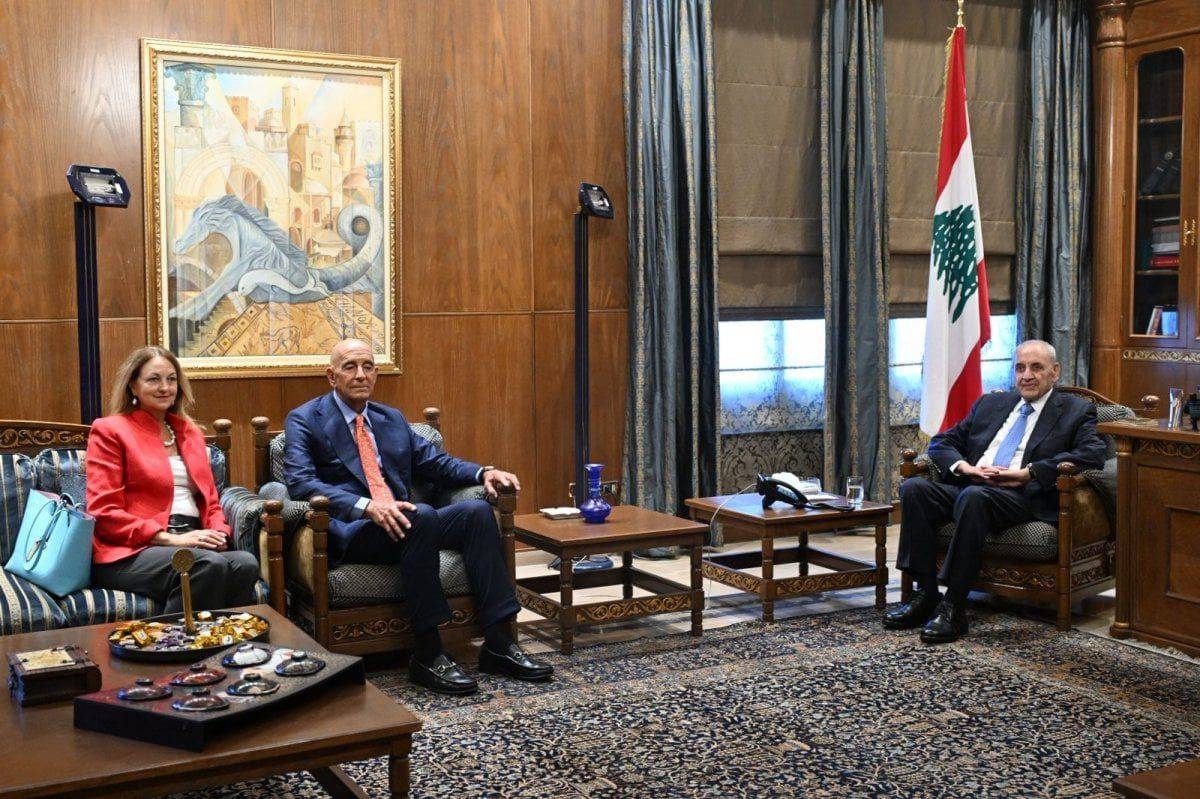
بري مستقبلاً براك.


تابع قناة عكاظ على الواتساب
راوية حشمي (بيروت) @HechmiRawiya
The American envoy Tom Barak expressed his optimism about the results of his third visit to Beirut, affirming that the United States will not abandon Lebanon. Barak described his meeting today (Tuesday) with the Speaker of the House Nabih Berri as "excellent."
In response to a question about why the United States refuses to provide the guarantees requested by Lebanon, he stated: "The problem is not in the guarantees," adding, "We will reach stability."
The American envoy said: "We are continuing to work and making progress, and you must remain hopeful."
Thus, the American stance through Barak's visit seemed to oscillate between pushing for stability and hesitance to offer any decisive commitments. At its core, Washington harbors a chronic paradox regarding Lebanon: it does not want its explosion, but it also does not want to hand it over to its internal power factors. It hints at support but does not release its guarantees, shows understanding but does not leave the square of conditions. Between American caution and Lebanese complexity, the scene continues to revolve around papers, notes, and responses.
Yesterday, the American envoy met with Prime Minister Nawaf Salam and President Joseph Aoun, who handed him, on behalf of the Lebanese state, "the comprehensive memorandum project to implement what Lebanon has committed to since the ceasefire agreement," at a time when Hezbollah still insists on its position rejecting discussions about its weapons without stopping Israeli violations and withdrawing from the occupied territories.
The memorandum includes, according to a statement from the presidency, "the urgent necessity to save Lebanon by asserting the authority of the Lebanese state over all its territory with its own forces, and restricting weapons to the hands of the Lebanese armed forces alone." It emphasizes the reference of the decision of war and peace to the Lebanese constitutional institutions. All of this is in conjunction and parallel with preserving Lebanese sovereignty over all its international borders, reconstruction, and launching the economic revival process, with the guarantee and sponsorship of Lebanon's brothers and friends in the world, in a manner that preserves the safety, security, and dignity of all Lebanon and all Lebanese people.
In response to a question about why the United States refuses to provide the guarantees requested by Lebanon, he stated: "The problem is not in the guarantees," adding, "We will reach stability."
The American envoy said: "We are continuing to work and making progress, and you must remain hopeful."
Thus, the American stance through Barak's visit seemed to oscillate between pushing for stability and hesitance to offer any decisive commitments. At its core, Washington harbors a chronic paradox regarding Lebanon: it does not want its explosion, but it also does not want to hand it over to its internal power factors. It hints at support but does not release its guarantees, shows understanding but does not leave the square of conditions. Between American caution and Lebanese complexity, the scene continues to revolve around papers, notes, and responses.
Yesterday, the American envoy met with Prime Minister Nawaf Salam and President Joseph Aoun, who handed him, on behalf of the Lebanese state, "the comprehensive memorandum project to implement what Lebanon has committed to since the ceasefire agreement," at a time when Hezbollah still insists on its position rejecting discussions about its weapons without stopping Israeli violations and withdrawing from the occupied territories.
The memorandum includes, according to a statement from the presidency, "the urgent necessity to save Lebanon by asserting the authority of the Lebanese state over all its territory with its own forces, and restricting weapons to the hands of the Lebanese armed forces alone." It emphasizes the reference of the decision of war and peace to the Lebanese constitutional institutions. All of this is in conjunction and parallel with preserving Lebanese sovereignty over all its international borders, reconstruction, and launching the economic revival process, with the guarantee and sponsorship of Lebanon's brothers and friends in the world, in a manner that preserves the safety, security, and dignity of all Lebanon and all Lebanese people.


