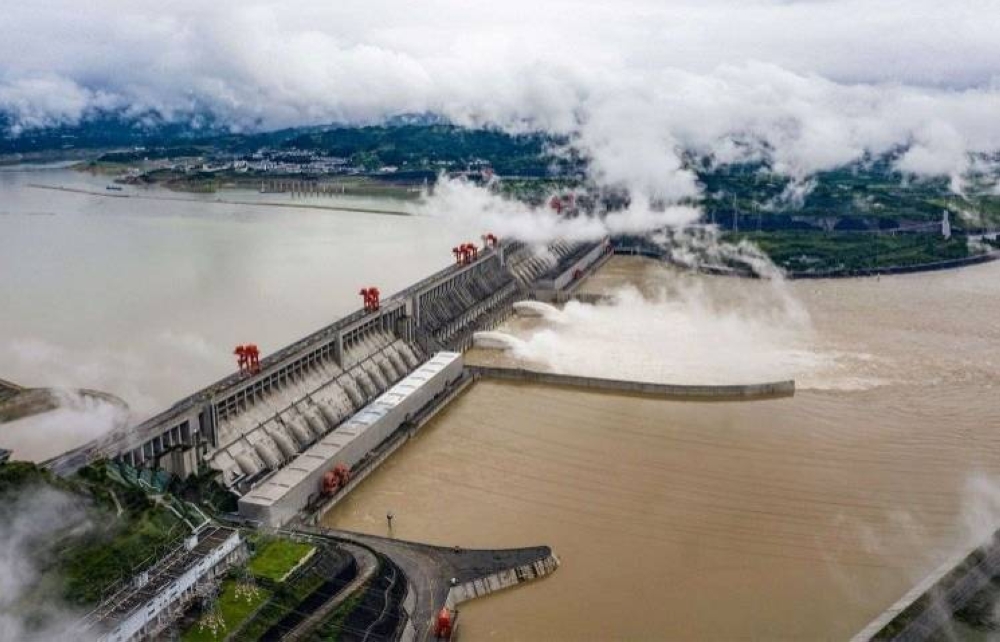
أعلن رئيس الوزراء الصيني لي تشيانغ بدء أعمال البناء لأكبر سد هيدروليكي في العالم على الضفة الشرقية لهضبة التبت، بتكلفة تقدر بنحو 170 مليار دولار، وفقاً لوكالة الأنباء الرسمية شينخوا.
ويُعد هذا المشروع، الذي يتجاوز في طموحه سد المضائق الثلاثة على نهر اليانغتسي، أضخم مشروع بنية تحتية في الصين منذ عقود، حيث يتكون من 5 محطات هيدروليكية متتالية قادرة على إنتاج 300 مليار كيلوواط/ساعة من الكهرباء سنوياً، وهو ما يعادل استهلاك بريطانيا السنوي للكهرباء.
يقع السد في الروافد السفلى لنهر يارلونغ زانغبو، حيث ينخفض النهر 2000 متر على امتداد 50 كيلومتراً، ما يوفر إمكانات هائلة لتوليد الطاقة الكهرومائية.
المشروع الصيني أثار مخاوف الهند وبنغلاديش بشأن تأثيره المحتمل على ملايين الأشخاص في المناطق المتاخمة للنهر، الذي يُعرف باسم براهمابوترا عند دخوله الهند ثم بنغلاديش.
كما حذرت منظمات غير حكومية من مخاطر بيئية جسيمة على هضبة التبت، التي تُعد واحدة من أكثر المناطق تنوعاً بيولوجياً في العالم.
من جانبها، أكدت بكين أن السد سيسهم في تلبية الطلب على الطاقة في التبت وباقي أنحاء الصين دون التأثير الكبير على إمدادات المياه أو البيئة في المناطق المتاخمة، مع توقعات ببدء تشغيله في ثلاثينات القرن الحالي.
وأشار لي تشيانغ إلى أن المشروع، الذي وصفه بـ«مشروع القرن»، سيعطي أولوية للحفاظ على البيئة لمنع الأضرار الإيكولوجية.
في سياق متصل، شهدت الأسواق الصينية ارتفاعاً ملحوظاً بعد الإعلان عن المشروع، حيث اعتبره المستثمرون مؤشراً على تحفيز اقتصادي جديد.
وقفز مؤشر CSI للبناء والهندسة بنسبة 4% إلى أعلى مستوى له في 7 أشهر، في حين ارتفعت أسهم شركات مثل شركة الطاقة والبناء الصينية (Power Construction Corporation of China) ومجموعة Arcplus بنسبة 10%، وهي الحد الأقصى اليومي.
كما شهدت شركات تصنيع المعدات والمواد مثل Hunan Wuxin Tunnel وGeokang Technologies ارتفاعاً بنسبة 30%، وصعدت أسهم شركة Xizang Tianlu للأسمنت وTibet GaoZheng Explosive بنسبة 10%.
وارتفعت عوائد السندات الحكومية الصينية اليوم (الإثنين) مع هبوط العقود الآجلة للسندات لأجل 30 عاماً إلى أدنى مستوى في 5 أسابيع، ما يعكس توقعات المستثمرين بتداعيات اقتصادية إيجابية.
وتوقع بنك Citi أن يعزز المشروع الناتج المحلي الإجمالي بنحو 120 مليار يوان (16.7 مليار دولار) سنوياً خلال فترة البناء الممتدة لـ10 سنوات، مع فوائد اقتصادية إضافية محتملة.
ويُعد نهر يارلونغ زانغبو، الذي يصبح براهمابوترا عند دخوله الهند، أحد أكثر الأنهار ثراءً بالطاقة الكهرومائية في العالم، حيث يمر عبر أعمق وادٍ على الأرض في التبت.
ويهدف المشروع، الذي تشرف عليه شركة China Yajiang Group الحكومية الجديدة، إلى تعزيز أهداف الصين لتحقيق الحياد الكربوني، وتحفيز الصناعات المحلية، وخلق فرص عمل في التبت.
وأثار المشروع قلقاً دولياً، حيث حذر رئيس وزراء ولاية أروناتشال براديش الهندية بيما خاندو من أن السد قد يتسبب في جفاف 80% من النهر في الهند أو يؤدي إلى فيضانات كارثية في المناطق المنخفضة.
كما عبرت بنغلاديش عن مخاوفها بشأن تأثير السد على تدفق المياه وسبل العيش في دلتا الجانج، وانتقدت منظمات غير حكومية، مثل الحملة الدولية من أجل التبت، المشروع، محذرة من أضراره اللافتة على النظام الإيكولوجي في التبت وتأثيره على ملايين الأشخاص في المناطق المتاخمة.
ولم تعلن السلطات الصينية بعد عن عدد الأشخاص الذين سيتم تهجيرهم بسبب المشروع، لكن سد المضائق الثلاثة تسبب في تهجير 1.4 مليون شخص.
وتؤكد الصين أن المشروع سيتبع نهجاً صديقاً للبيئة، مع التركيز على الحفاظ على التنوع البيولوجي في المنطقة.
Chinese Prime Minister Li Qiang announced the start of construction for the largest hydraulic dam in the world on the eastern bank of the Tibetan Plateau, at an estimated cost of about $170 billion, according to the official news agency Xinhua.
This project, which surpasses the ambition of the Three Gorges Dam on the Yangtze River, is the largest infrastructure project in China in decades, consisting of 5 consecutive hydraulic stations capable of producing 300 billion kilowatt-hours of electricity annually, equivalent to the annual electricity consumption of Britain.
The dam is located in the lower reaches of the Yarlung Tsangpo River, where the river drops 2000 meters over a distance of 50 kilometers, providing immense potential for hydroelectric power generation.
The Chinese project has raised concerns in India and Bangladesh about its potential impact on millions of people in the areas adjacent to the river, which is known as Brahmaputra when it enters India and then Bangladesh.
NGOs have also warned of serious environmental risks to the Tibetan Plateau, which is considered one of the most biologically diverse regions in the world.
For its part, Beijing confirmed that the dam will help meet energy demand in Tibet and other parts of China without significantly affecting water supplies or the environment in adjacent areas, with expectations for it to start operating in the 2030s.
Li Qiang noted that the project, which he described as the "project of the century," will prioritize environmental conservation to prevent ecological damage.
In a related context, Chinese markets saw a noticeable rise following the announcement of the project, as investors viewed it as an indicator of new economic stimulus.
The CSI construction and engineering index jumped by 4% to its highest level in 7 months, while shares of companies such as the Power Construction Corporation of China and Arcplus Group rose by 10%, the daily maximum.
Manufacturers of equipment and materials like Hunan Wuxin Tunnel and Geokang Technologies saw a 30% increase, and shares of Xizang Tianlu Cement and Tibet GaoZheng Explosive rose by 10%.
Chinese government bond yields rose today (Monday) as 30-year bond futures fell to their lowest level in 5 weeks, reflecting investor expectations of positive economic repercussions.
Citi Bank predicted that the project would boost GDP by about 120 billion yuan ($16.7 billion) annually during the 10-year construction period, with potential additional economic benefits.
The Yarlung Tsangpo River, which becomes Brahmaputra upon entering India, is one of the richest rivers in the world in terms of hydroelectric power, flowing through the deepest valley on earth in Tibet.
The project, overseen by the new state-owned China Yajiang Group, aims to enhance China's goals for carbon neutrality, stimulate local industries, and create job opportunities in Tibet.
The project has raised international concerns, with the Chief Minister of Arunachal Pradesh in India, Pema Khandu, warning that the dam could cause 80% of the river in India to dry up or lead to catastrophic flooding in low-lying areas.
Bangladesh has also expressed concerns about the dam's impact on water flow and livelihoods in the Ganges Delta, and NGOs, such as the International Campaign for Tibet, have criticized the project, warning of its significant harms to the Tibetan ecosystem and its impact on millions of people in adjacent areas.
The Chinese authorities have not yet announced the number of people who will be displaced due to the project, but the Three Gorges Dam caused the displacement of 1.4 million people.
China asserts that the project will follow an environmentally friendly approach, focusing on preserving biodiversity in the region.