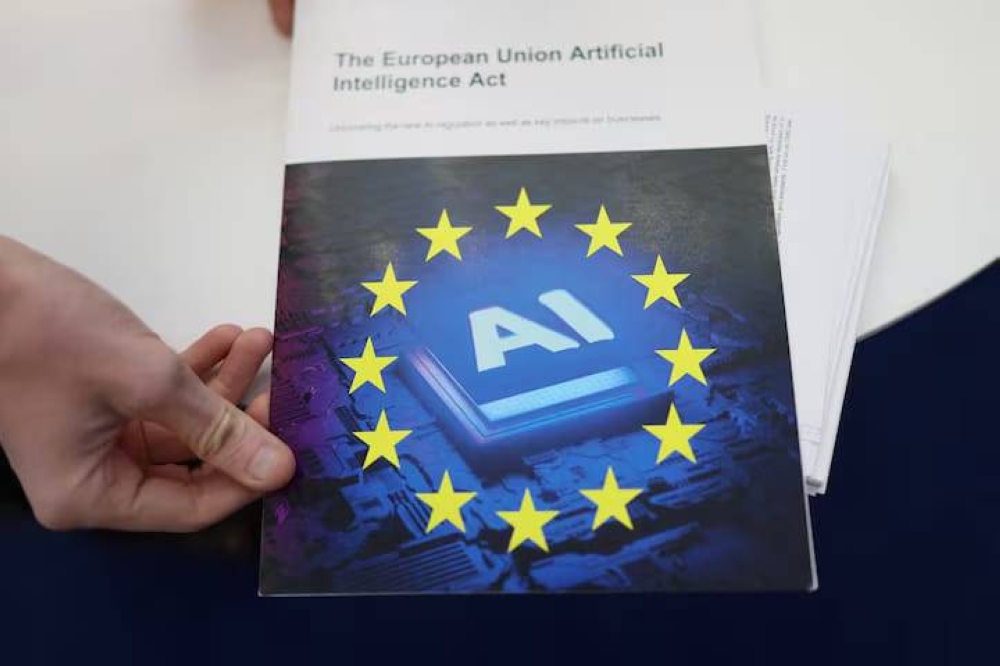
أصدرت المفوضية الأوروبية إرشادات تهدف إلى مساعدة نماذج الذكاء الاصطناعي التي تُعتبر ذات مخاطر نظامية على الامتثال لتشريعات الاتحاد الأوروبي بشأن الذكاء الاصطناعي (قانون الذكاء الاصطناعي).
تأتي هذه الخطوة للرد على الانتقادات من بعض الشركات بشأن الأعباء التنظيمية للقانون، مع توفير مزيد من الوضوح للشركات التي تواجه غرامات تراوح بين 7.5 مليون يورو (8.7 مليون دولار) أو 1.5% من الإيرادات السنوية، وتصل إلى 35 مليون يورو أو 7% من الإيرادات العالمية في حالة المخالفات.
قانون الذكاء الاصطناعي، الذي دخل حيز التنفيذ العام الماضي، سيبدأ تطبيقه في 2 أغسطس 2025 على نماذج الذكاء الاصطناعي ذات المخاطر النظامية والنماذج الأساسية التي طورتها شركات مثل قوقل، أوبن إيه آي، ميتا، أنثروبيك، وميسترال.
وتمتلك الشركات مهلة حتى 2 أغسطس 2026 للامتثال الكامل للتشريع.
وتصنف المفوضية نماذج الذكاء الاصطناعي ذات المخاطر النظامية على أنها تلك التي تمتلك قدرات حوسبية متقدمة للغاية، وقد تؤثر بشكل كبير على الصحة العامة، السلامة، الحقوق الأساسية، أو المجتمع.
وستُطالب هذه النماذج بإجراء تقييمات للنماذج، تقييم وتخفيف المخاطر، إجراء اختبارات مقاومة، الإبلاغ عن الحوادث الخطيرة إلى المفوضية، وضمان حماية أمنية كافية ضد السرقة وسوء الاستخدام.
أما نماذج الذكاء الاصطناعي العامة أو الأساسية، فستخضع لمتطلبات الشفافية، بما في ذلك إعداد وثائق تقنية، اعتماد سياسات حقوق الطبع والنشر، وتقديم ملخصات تفصيلية عن المحتوى المستخدم في تدريب الخوارزميات.
وقالت هينا فيركونن، المسؤولة عن التكنولوجيا في الاتحاد الأوروبي: «تدعم هذه الإرشادات التطبيق السلس والفعّال لقانون الذكاء الاصطناعي».
The European Commission has issued guidelines aimed at helping artificial intelligence models that are considered to have systemic risks comply with EU legislation on artificial intelligence (the AI Act).
This step comes in response to criticisms from some companies regarding the regulatory burdens of the law, while providing further clarity for businesses facing fines ranging from €7.5 million ($8.7 million) or 1.5% of annual revenue, up to €35 million or 7% of global revenue in cases of violations.
The AI Act, which came into effect last year, will start to be applied on August 2, 2025, to AI models with systemic risks and foundational models developed by companies such as Google, OpenAI, Meta, Anthropic, and Mistral.
Companies have until August 2, 2026, to fully comply with the legislation.
The Commission classifies AI models with systemic risks as those that possess highly advanced computational capabilities and could significantly impact public health, safety, fundamental rights, or society.
These models will be required to conduct model assessments, evaluate and mitigate risks, perform robustness testing, report serious incidents to the Commission, and ensure adequate security protections against theft and misuse.
As for general or foundational AI models, they will be subject to transparency requirements, including preparing technical documentation, adopting copyright policies, and providing detailed summaries of the content used to train the algorithms.
Heidi Verkonen, the EU's technology chief, stated, "These guidelines support the smooth and effective implementation of the AI Act."