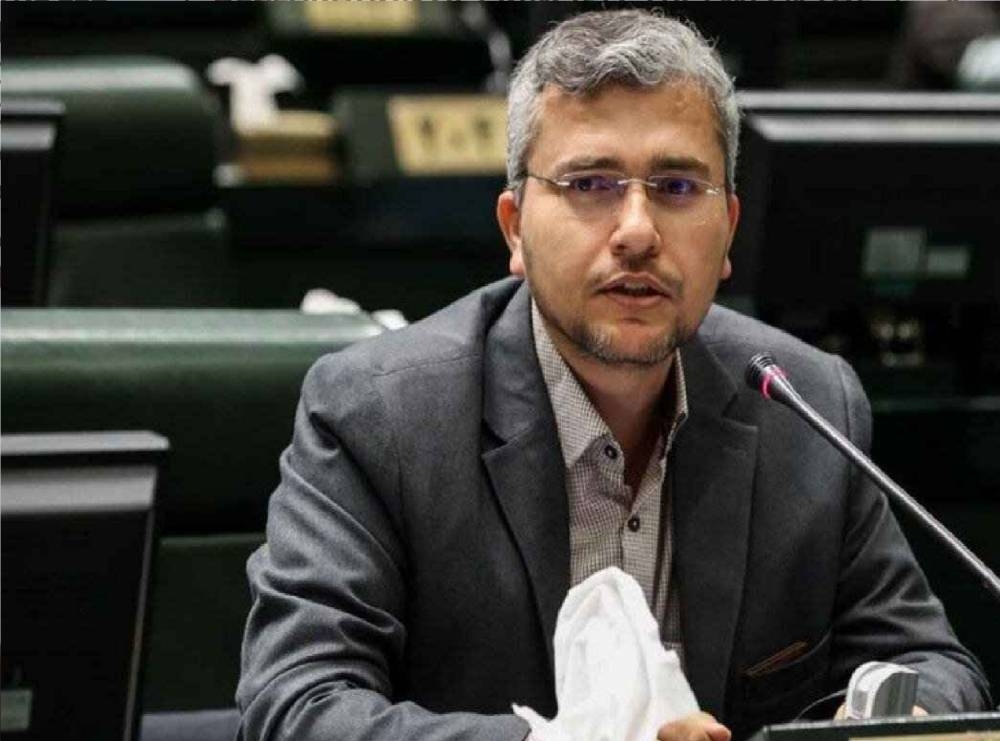
هدد المتحدث باسم لجنة الأمن القومي والسياسة الخارجية في البرلمان الإيراني، إبراهيم رضائي اليوم (السبت) بانسحاب طهران من معاهدة انتشار الأسلحة النووية والبدء بتخصيب اليورانيوم إلى مستوى أعلى من 60% إذا زادت الضغوطات على بلاده.
وقال رضائي في مقابلة مع وكالة «تسنيم» اليوم: «في الوقت الحالي، علقت إيران بشكل طوعي فقط تنفيذ البروتوكول الإضافي (بشأن التعاون مع الوكالة الدولية للطاقة الذرية)، وبقيت طرفاً في معاهدة عدم انتشار الأسلحة النووية، لكن إذا استمر الضغط، فإن الانسحاب من المعاهدة، وتخصيب اليورانيوم فوق مستوى 60%، وإنتاج وتصدير أجهزة الطرد المركزي الحديثة، وتوسيع التعاون النووي قد يكون على جدول الأعمال».
واستبعد رضائي حدوث تغييرات كبيرة في بلاده في حالة نشطت الترويكا الأوروبية (بريطانيا وألمانيا وفرنسا) آلية «سناب باك» التي تتضمن استئناف جميع عقوبات مجلس الأمن الدولي ضد طهران، عازياً ذلك إلى أن بلاده تخضع بالفعل لأقسى العقوبات الدولية.
وكانت فرنسا وبريطانيا وألمانيا قد أبلغت (الخميس) طهران برغبتها في استئناف الجهود الدبلوماسية فوراً بشأن برنامجها النووي، محذرة من أنها ستعيد فرض عقوبات الأمم المتحدة في حالة عدم اتخاذ خطوات ملموسة بحلول نهاية الصيف، ورد وزير الخارجية الإيراني عباس عراقجي على تلك التحذيرات بالقول: الأوروبيون لا يملكون أي «أساس أخلاقي وقانوني» لتفعيل آلية الزناد في مجلس الأمن، مطالباً الترويكا الأوروبية بالتصرف بمسؤولية وأن يضعوا جانباً سياسات التهديد والضغط المستهلَكة، بما في ذلك آلية الزناد.
يذكر أن الدول الثلاث إلى جانب الصين وروسيا هي الأطراف المتبقية في اتفاق 2015 مع إيران، الذي رفعت بموجبه العقوبات عن البلاد مقابل فرض قيود على برنامجها النووي خصوصاً أن قرار مجلس الأمن التابع للأمم المتحدة الذي يكرس للاتفاق ينتهي في 18 أكتوبر، وبموجب شروطه، يمكن إعادة فرض عقوبات الأمم المتحدة السابقة، وستستغرق هذه العملية نحو 30 يوماً.
The spokesman for the National Security and Foreign Policy Committee in the Iranian Parliament, Ibrahim Rezaei, threatened today (Saturday) that Tehran would withdraw from the Treaty on the Non-Proliferation of Nuclear Weapons and begin enriching uranium to a level higher than 60% if pressures on his country increased.
Rezaei said in an interview with the "Tasnim" agency today: "Currently, Iran has only voluntarily suspended the implementation of the Additional Protocol (regarding cooperation with the International Atomic Energy Agency), and remains a party to the Treaty on the Non-Proliferation of Nuclear Weapons. However, if the pressure continues, withdrawal from the treaty, enriching uranium above 60%, producing and exporting modern centrifuges, and expanding nuclear cooperation could be on the agenda."
Rezaei ruled out significant changes in his country if the European troika (Britain, Germany, and France) activated the "snapback" mechanism, which involves the resumption of all United Nations Security Council sanctions against Tehran, attributing this to the fact that his country is already under the harshest international sanctions.
France, Britain, and Germany informed Tehran on Thursday of their desire to immediately resume diplomatic efforts regarding its nuclear program, warning that they would reimpose UN sanctions if no concrete steps were taken by the end of the summer. Iranian Foreign Minister Abbas Araghchi responded to those warnings by saying: "The Europeans have no 'moral and legal basis' to activate the trigger mechanism in the Security Council," urging the European troika to act responsibly and to set aside outdated threat and pressure policies, including the trigger mechanism.
It is worth noting that the three countries, along with China and Russia, are the remaining parties to the 2015 agreement with Iran, under which sanctions were lifted in exchange for imposing restrictions on its nuclear program, especially since the UN Security Council resolution that enshrines the agreement expires on October 18. Under its terms, previous UN sanctions can be reimposed, and this process will take about 30 days.