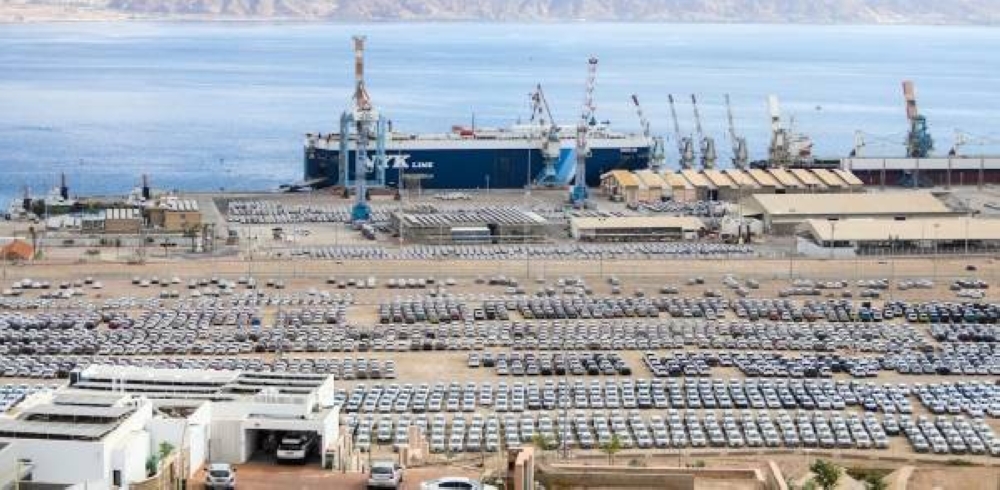
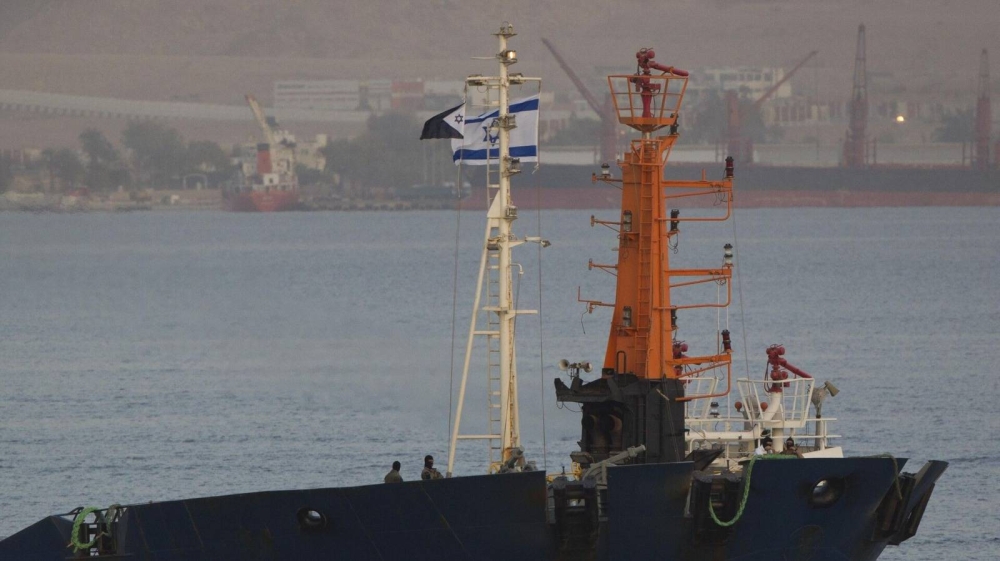
أعلنت هيئة الموانئ والملاحة الإسرائيلية، اليوم الأربعاء، أن ميناء إيلات، المنفذ الوحيد لإسرائيل على البحر الأحمر، سيتوقف عن العمل بشكل كامل اعتباراً من يوم الأحد 20 يوليو، وذلك نتيجة تفاقم أزمة الديون التي يعاني منها الميناء، حيث أدى تراكم الديون إلى قيام بلدية إيلات بفرض حجز على حسابات الميناء المصرفية، مما أعاق قدرته على مواصلة الأنشطة التشغيلية.
ويعد ميناء إيلات، الذي يقع في الطرف الشمالي لخليج العقبة على البحر الأحمر، أحد أهم الموانئ الإسرائيلية من الناحية الاستراتيجية، حيث يمثل البوابة الرئيسية للتجارة مع دول آسيا وإفريقيا والشرق الأقصى، وأُسس الميناء عام 1955.
وفي عام 2005 تم تطوير الميناء ليصبح شركة حكومية مستقلة عن هيئة الموانئ، ويتيح الميناء لإسرائيل الوصول إلى المحيط الهندي دون الحاجة إلى المرور عبر قناة السويس، مما يعزز أهميته اللوجستية والاقتصادية.
وقد أشار الرئيس التنفيذي للميناء، جدعون جولبر، إلى أن الميناء لم يشهد أي إيرادات منذ ثمانية أشهر، مما دفع الإدارة لطلب دعم مالي من الحكومة الإسرائيلية لتجنب الإغلاق النهائي.
وتفاقمت أزمة الديون الحالية بسبب قرار بلدية إيلات بحجز حسابات الميناء المصرفية لتسديد ديون متراكمة، مما جعل استمرار العمليات مستحيلاً، وأثارت هيئة الطوارئ الوطنية مخاوف من أن توقف الميناء قد يؤدي إلى تعطيل الدعم اللوجستي للبحرية الإسرائيلية في البحر الأحمر، مما ينذر بتداعيات أمنية محتملة.
The Israeli Ports and Navigation Authority announced today, Wednesday, that the Port of Eilat, Israel's only outlet to the Red Sea, will cease operations entirely starting Sunday, July 20, due to the worsening debt crisis the port is facing. The accumulation of debts has led the Eilat Municipality to impose a freeze on the port's bank accounts, hindering its ability to continue operational activities.
The Port of Eilat, located at the northern tip of the Gulf of Aqaba on the Red Sea, is one of Israel's most strategically important ports, serving as the main gateway for trade with countries in Asia, Africa, and the Far East. The port was established in 1955.
In 2005, the port was developed into a government-owned company independent of the Ports Authority, allowing Israel access to the Indian Ocean without the need to pass through the Suez Canal, thereby enhancing its logistical and economic significance.
The port's CEO, Gideon Golber, indicated that the port has not seen any revenue for eight months, prompting management to seek financial support from the Israeli government to avoid a permanent closure.
The current debt crisis has been exacerbated by the Eilat Municipality's decision to freeze the port's bank accounts to settle accumulated debts, making it impossible to continue operations. The National Emergency Authority has raised concerns that the port's shutdown could disrupt logistical support for the Israeli Navy in the Red Sea, signaling potential security implications.