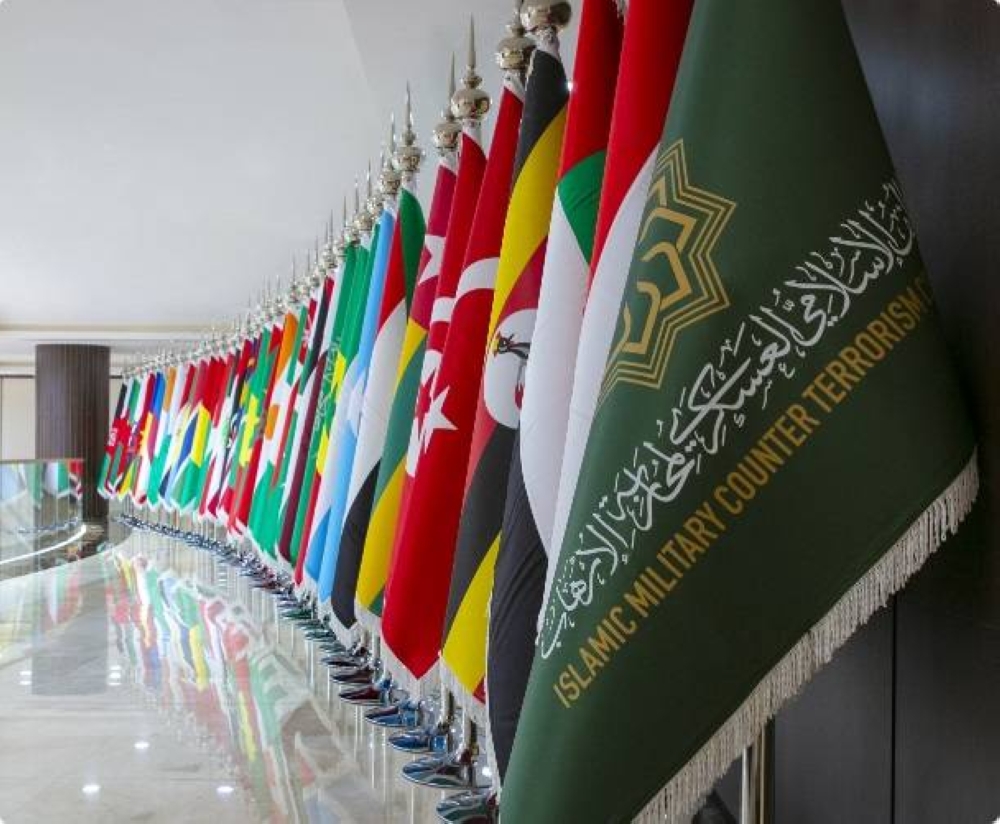
اختتم التحالف الإسلامي العسكري لمحاربة الإرهاب، اليوم الأربعاء، في العاصمة التشادية إنجامينا، أعمال ورشة العمل المتخصصة بعنوان: «التنفيذ الفعّال لقرارات مجلس الأمن، واتفاقيات الأمم المتحدة، والمعايير الدولية ذات الصلة»، التي استمرت يومين، وذلك ضمن أنشطة المرحلة الرابعة من برنامج دول الساحل.
وحضر ختام الورشة الأمين العام للتحالف الإسلامي العسكري لمحاربة الإرهاب اللواء الطيار الركن محمد بن سعيد المغيدي.
وأدار الورشة المستشار ياسر الطائفي، الخبير في محاربة تمويل الإرهاب وغسل الأموال، واستهدفت الورشة العاملين في الجهات الرقابية، وأجهزة إنفاذ القانون، والمؤسسات المالية، والمدققين، وصنّاع السياسات، والمسؤولين الحكوميين، ومسؤولي الامتثال.
وتناولت الورشة عددًا من المحاور الرئيسة، بدءًا بمقدمة حول قرارات مجلس الأمن التابع للأمم المتحدة، واتفاقيات ومعاهدات الأمم المتحدة، والمعايير الدولية وأفضل الممارسات، وصولًا إلى التحديات المتعلقة بالتنفيذ والامتثال.
وهدفت الورشة إلى تزويد المشاركين بالمعرفة والأدوات والإستراتيجيات اللازمة للتطبيق الفعّال لقرارات مجلس الأمن، وتعزيز الامتثال للاتفاقيات الدولية، ومواءمة السياسات الوطنية مع المعايير العالمية، ومعالجة التحديات المتعلقة بآليات الرصد والتنفيذ، ضمن جهود محاربة تمويل الإرهاب والجرائم ذات الصلة.
وقد عبّر المشاركون عن تقديرهم لمستوى التنظيم والمحتوى العلمي والتطبيقي للورشة، مؤكدين استفادتهم من النقاشات والعروض، وأثرها المباشر في تطوير أدائهم الوظيفي، وتعزيز أدوات العمل المؤسسي، وتبادل التجارب والخبرات بين الدول الأعضاء.
وتأتي هذه الورشة ضمن سلسلة من البرامج التي ينفذها التحالف الإسلامي العسكري لمحاربة الإرهاب في إطار برنامجه الإقليمي لدول الساحل (تشاد، النيجر، مالي، موريتانيا، بوركينا فاسو)، إذ يُتوقّع أن تسهم مخرجات الورشة في تعزيز التكامل المؤسسي، وتحديث السياسات الرقابية، وبناء قدرات وطنية مؤهلة لمواجهة التحديات الأمنية المرتبطة بتمويل الإرهاب، بما يعزّز الأمن والاستقرار والتنمية في المنطقة.
The Islamic Military Alliance to Combat Terrorism concluded today, Wednesday, in the Chadian capital N'Djamena, the activities of a specialized workshop titled: "Effective Implementation of Security Council Resolutions, United Nations Agreements, and Relevant International Standards," which lasted for two days, as part of the fourth phase of the Sahel States Program.
The closing of the workshop was attended by the Secretary-General of the Islamic Military Alliance to Combat Terrorism, Lieutenant General Pilot Mohammed bin Said Al-Magidi.
The workshop was managed by Consultant Yasser Al-Tayfi, an expert in combating the financing of terrorism and money laundering, and targeted personnel from regulatory authorities, law enforcement agencies, financial institutions, auditors, policymakers, government officials, and compliance officers.
The workshop addressed several key topics, starting with an introduction to the United Nations Security Council resolutions, United Nations agreements and treaties, international standards and best practices, leading to challenges related to implementation and compliance.
The aim of the workshop was to equip participants with the knowledge, tools, and strategies necessary for the effective application of Security Council resolutions, to enhance compliance with international agreements, to align national policies with global standards, and to address challenges related to monitoring and implementation mechanisms, as part of efforts to combat the financing of terrorism and related crimes.
Participants expressed their appreciation for the level of organization and the scientific and practical content of the workshop, affirming their benefit from the discussions and presentations, and its direct impact on improving their job performance, enhancing institutional work tools, and exchanging experiences and expertise among member states.
This workshop is part of a series of programs implemented by the Islamic Military Alliance to Combat Terrorism within the framework of its regional program for the Sahel States (Chad, Niger, Mali, Mauritania, Burkina Faso), as the outcomes of the workshop are expected to contribute to enhancing institutional integration, updating regulatory policies, and building qualified national capacities to address security challenges related to the financing of terrorism, thereby promoting security, stability, and development in the region.