


اتهمت صحيفة «نيويورك تايمز» رئيس الوزراء الإسرائيلي بنيامين نتنياهو بإطالة أمد الحرب على غزة لدوافع حزبية شخصية. وكشفت في تحقيق مدعوم بمحاضر جلسات ولقاءات سرية، مساعيه لتحسين وضعه السياسي على حساب ملف الأسرى الإسرائيليين.
وقال المستشار الإعلامي الإستراتيجي حيم روبنشتاين إن التحقيق لم يفاجئه، لافتاً إلى أن التحقيق عرض تفاصيل إضافية لم تكن معروفة سابقاً، لكن المحصلة كانت واضحة بأن رئيس الحكومة أحبط صفقات تبادل الأسرى دون تردد. وأكد أن هذا التوجه بدأ منذ التاسع من أكتوبر، أي بعد يومين فقط من عملية طوفان الأقصى.
وأفصح المستشار الإعلامي عن وجود معركة مؤثرة في البداية من أجل الأسرى، عندما كان عضواً في هيئة عائلات الأسرى مع متخصصين آخرين، لكنه اتهم جهات عليا -لم يكشف عنها- بالعمل على سحق هذا الكفاح وإضعافه وجعله عقيماً.
وطرح روبنشتاين سؤالاً حول عدد الأسرى الذين عادوا في توابيت من بين الـ41، والذين كان يمكن أن يعودوا أحياء لولا التدخل من الأعلى، لافتاً إلى مكتب رئيس الحكومة.
وتحدثت مراسلة الشؤون السياسية لقناة كان 11 يارا شبيرة عن تقديرات تشير إلى أن وزير الأمن القومي إيتمار بن غفير سيكرر ما فعله المرة الماضية، أي الانسحاب ثم العودة للائتلاف.
فيما أصبح الوزير بتسلئيل سموتريتش المكون الحاسم داخل الائتلاف الحكومي والصهيونية الدينية، إذ عقدوا جلسات مشاورات طرحت خلالها إمكانية الاستقالة من المناصب الحكومية مع البقاء في الائتلاف، ما يعني الإبقاء على الحكومة قائمة من الخارج.
وحول مسار المفاوضات، اعتبر الصحفي في «نيويورك تايمز ويديعوت أحرونوت» رونين برغمان أن الأخبار ليست طيبة، إذ بقيت المفاوضات دون تقدم يُذكر.
وأكد أن الخلاف كان ولا يزال قائماً حول خريطة انسحاب الجيش التي طرحتها إسرائيل، والتي أبدت نوعاً من المرونة تجاهها، لكن حماس لا تزال ترفض هذه الخريطة، مما يعقّد احتمالات التوصل لاتفاق.
وأظهر استطلاع للرأي نشرته القناة الإسرائيلية 12 عن موقف واضح للرأي العام الإسرائيلي، أن الأغلبية الساحقة بنسبة 74% تطالب بإطلاق سراح جميع الأسرى دفعة واحدة وإنهاء الحرب.
وعندما سألت القناة عن أسباب إصرار رئيس الحكومة على تنفيذ الصفقة على مراحل، أجاب نصف الجمهور بأن الأسباب حزبية، بينما قال أقل من الثلث إنها لأسباب أمنية.
بدوره، وجه رئيس حركة يمينية سابقة انتقاداً لاذعاً لطريقة التعامل مع ملف الأسرى، لافتاً إلى أنه لو كانت إسرائيل هي التي تقرر من يُطلق سراحه لقامت أولاً بإطلاق سراح أسرى محددين من أجل تحييد تأثير عائلاتهم.
وأضاف أنه لو كانت إسرائيل قادرة على تحديد من يُطلق سراحه، لأطلقت سراح من يثيرون أكبر قدر من الضغط الشعبي، مؤكداً أن كل هذا الوضع كان يمكن تجنبه لو اتجهت الحكومة منذ البداية إلى صفقة شاملة بدلاً من المناورات والتأجيل.
أكدت أن بإمكانه عقد صفقة شاملة بدلاً من المناورات..
«نيويورك تايمز»: نتنياهو يطيل أمد الحرب لدوافع حزبية
14 يوليو 2025 - 18:51
|
آخر تحديث 14 يوليو 2025 - 18:51
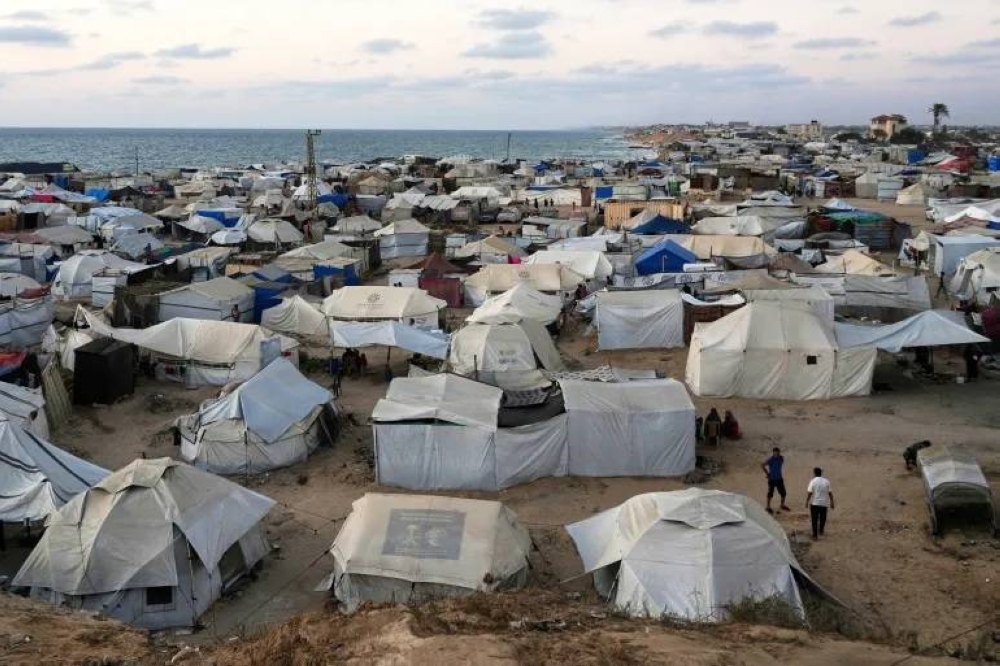
مخيمات في دير البلح


تابع قناة عكاظ على الواتساب
«عكاظ» (غزة، جدة) okaz_online@
The "New York Times" accused Israeli Prime Minister Benjamin Netanyahu of prolonging the war on Gaza for personal partisan motives. It revealed in an investigation supported by transcripts of sessions and secret meetings his efforts to improve his political standing at the expense of the Israeli prisoners' file.
Strategic media advisor Haim Rubinstein stated that the investigation did not surprise him, noting that it presented additional details that were previously unknown, but the outcome was clear that the Prime Minister thwarted prisoner exchange deals without hesitation. He confirmed that this trend began on October 9, just two days after the Al-Aqsa Flood operation.
The media advisor disclosed that there was an influential initial battle for the prisoners when he was a member of the prisoners' families committee with other specialists, but he accused higher authorities—whose identities he did not reveal—of working to crush this struggle, weaken it, and render it fruitless.
Rubinstein posed a question about how many prisoners returned in coffins among the 41, who could have returned alive were it not for intervention from above, referring to the Prime Minister's office.
Political correspondent for Kan 11, Yara Shbeir, spoke about estimates indicating that National Security Minister Itamar Ben Gvir would repeat what he did last time, namely withdrawing and then returning to the coalition.
Meanwhile, Minister Bezalel Smotrich has become the decisive component within the government coalition and the religious Zionism, as they held consultation sessions during which the possibility of resigning from government positions while remaining in the coalition was discussed, meaning keeping the government in place from the outside.
Regarding the course of negotiations, journalist for the "New York Times" and Yedioth Ahronoth, Ronen Bergman, considered that the news is not good, as the negotiations have remained without significant progress.
He confirmed that the disagreement was and still is over the army's withdrawal map proposed by Israel, which showed some flexibility towards it, but Hamas still rejects this map, complicating the chances of reaching an agreement.
A poll published by Israeli Channel 12 showed a clear public opinion stance, revealing that a vast majority of 74% demand the release of all prisoners at once and the end of the war.
When the channel asked about the reasons behind the Prime Minister's insistence on implementing the deal in stages, half of the audience responded that the reasons were partisan, while less than a third said they were for security reasons.
For his part, the head of a former right-wing movement sharply criticized the way the prisoners' file is being handled, pointing out that if Israel were the one to decide who to release, it would have first released specific prisoners to neutralize the influence of their families.
He added that if Israel were able to determine who to release, it would have released those who exert the most public pressure, affirming that all of this situation could have been avoided had the government pursued a comprehensive deal from the beginning instead of maneuvers and delays.
Strategic media advisor Haim Rubinstein stated that the investigation did not surprise him, noting that it presented additional details that were previously unknown, but the outcome was clear that the Prime Minister thwarted prisoner exchange deals without hesitation. He confirmed that this trend began on October 9, just two days after the Al-Aqsa Flood operation.
The media advisor disclosed that there was an influential initial battle for the prisoners when he was a member of the prisoners' families committee with other specialists, but he accused higher authorities—whose identities he did not reveal—of working to crush this struggle, weaken it, and render it fruitless.
Rubinstein posed a question about how many prisoners returned in coffins among the 41, who could have returned alive were it not for intervention from above, referring to the Prime Minister's office.
Political correspondent for Kan 11, Yara Shbeir, spoke about estimates indicating that National Security Minister Itamar Ben Gvir would repeat what he did last time, namely withdrawing and then returning to the coalition.
Meanwhile, Minister Bezalel Smotrich has become the decisive component within the government coalition and the religious Zionism, as they held consultation sessions during which the possibility of resigning from government positions while remaining in the coalition was discussed, meaning keeping the government in place from the outside.
Regarding the course of negotiations, journalist for the "New York Times" and Yedioth Ahronoth, Ronen Bergman, considered that the news is not good, as the negotiations have remained without significant progress.
He confirmed that the disagreement was and still is over the army's withdrawal map proposed by Israel, which showed some flexibility towards it, but Hamas still rejects this map, complicating the chances of reaching an agreement.
A poll published by Israeli Channel 12 showed a clear public opinion stance, revealing that a vast majority of 74% demand the release of all prisoners at once and the end of the war.
When the channel asked about the reasons behind the Prime Minister's insistence on implementing the deal in stages, half of the audience responded that the reasons were partisan, while less than a third said they were for security reasons.
For his part, the head of a former right-wing movement sharply criticized the way the prisoners' file is being handled, pointing out that if Israel were the one to decide who to release, it would have first released specific prisoners to neutralize the influence of their families.
He added that if Israel were able to determine who to release, it would have released those who exert the most public pressure, affirming that all of this situation could have been avoided had the government pursued a comprehensive deal from the beginning instead of maneuvers and delays.


