


فيما علقت طهران رسمياً تعاونها مع الوكالة الدولية للطاقة الذرية، أعلن وزير الخارجية الإيراني عباس عراقجي، اليوم (السبت)، أن التعاون مع الوكالة الأممية «سيتخذ شكلاً جديداً»، في ما يشي بإمكانية عودة التعاون بين الجانبين.
وقال عراقجي لدبلوماسيين مقيمين في طهران إن تعاون إيران مع الوكالة الدولية للطاقة الذرية لم يتوقف، لكنه سيأخذ شكلاً جديداً، وسيوجهه المجلس الأعلى للأمن القومي وسيديره.
وجدد التأكيد على حق بلاده في تخصيب اليورانيوم، وقال: «ندرس تفاصيل محادثات محتملة بشأن البرنامج النووي الإيراني». وأضاف أن طهران تعتزم التعاون مع وكالة الطاقة التابعة للأمم المتحدة على الرغم من القيود التي فرضها البرلمان، لكنه أكد أن دخول مواقع إيران النووية التي تعرضت للقصف صار من الأمور التي تتعلق بالأمن والسلامة.
وينص القانون الجديد على أن أي تفتيش في المستقبل للمواقع النووية الإيرانية من الوكالة الدولية للطاقة الذرية سيتطلب موافقة المجلس الأعلى للأمن القومي، أعلى هيئة أمنية في إيران.
وقال عراقجي: «لم يتوقف تعاوننا مع الوكالة، لكنه سيتخذ شكلاً جديداً»، مضيفاً أن طلبات الوكالة سيتم النظر فيها حالة بحالة.. مع الأخذ في الاعتبار مسائل السلامة والأمن، معتبراً أن «التفتيش قد يكون خطراً».
ونقلت وسائل إعلام رسمية عن عراقجي قوله: «إن خطر انتشار المواد المشعة وخطر انفجار الذخائر المتبقية.. هذان أمران مهمان». وأضاف: «بالنسبة لنا، فإن اقتراب مفتشي الوكالة الدولية للطاقة الذرية من المواقع النووية له جانب أمني.. وسلامة المفتشين أنفسهم مسألة يجب أن تخضع للدراسة».
أكد أن التعاون مع وكالة الطاقة سيتخذ شكلاً جديداً
عراقجي يفتح الباب أمام عودة التفتيش على البرنامج النووي
12 يوليو 2025 - 18:19
|
آخر تحديث 12 يوليو 2025 - 18:19
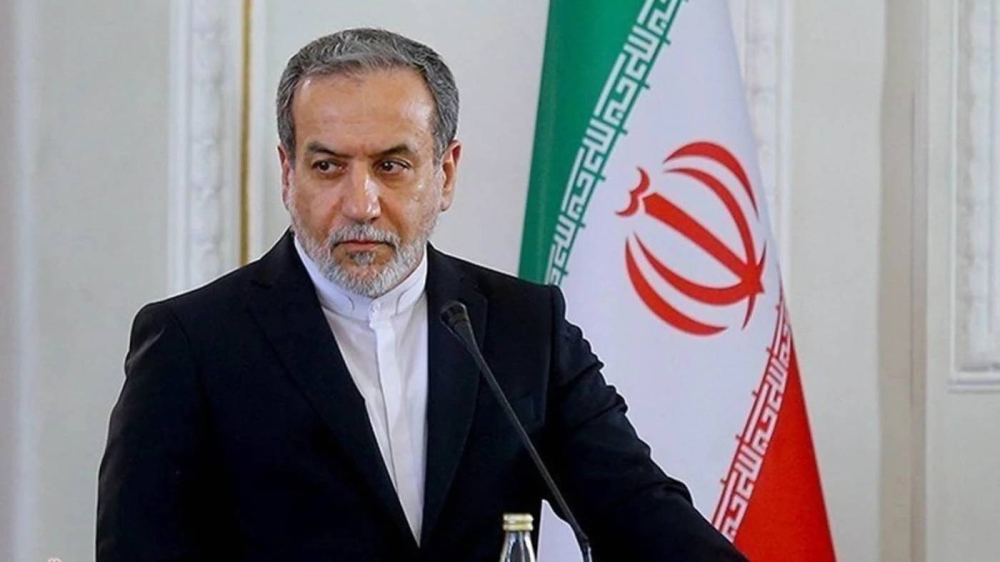
وزير الخارجية الإيراني.


تابع قناة عكاظ على الواتساب
«عكاظ» (طهران) okaz_online@
While Tehran officially suspended its cooperation with the International Atomic Energy Agency, Iranian Foreign Minister Abbas Araghchi announced today (Saturday) that cooperation with the UN agency "will take on a new form," suggesting the possibility of a return to collaboration between the two sides.
Araghchi told diplomats residing in Tehran that Iran's cooperation with the International Atomic Energy Agency has not stopped, but it will take on a new form, and it will be directed and managed by the Supreme National Security Council.
He reiterated his country's right to enrich uranium, stating: "We are considering the details of potential talks regarding the Iranian nuclear program." He added that Tehran intends to cooperate with the UN's energy agency despite the restrictions imposed by parliament, but he emphasized that access to Iran's nuclear sites that have been bombed is now a matter of security and safety.
The new law stipulates that any future inspections of Iranian nuclear sites by the International Atomic Energy Agency will require the approval of the Supreme National Security Council, the highest security body in Iran.
Araghchi said: "Our cooperation with the agency has not stopped, but it will take on a new form," adding that the agency's requests will be considered on a case-by-case basis, taking into account safety and security issues, considering that "inspections could be dangerous."
Official media quoted Araghchi as saying: "The risk of the proliferation of radioactive materials and the risk of the explosion of leftover munitions... these are two important matters." He added: "For us, the proximity of International Atomic Energy Agency inspectors to nuclear sites has a security aspect... and the safety of the inspectors themselves is a matter that must be studied."
Araghchi told diplomats residing in Tehran that Iran's cooperation with the International Atomic Energy Agency has not stopped, but it will take on a new form, and it will be directed and managed by the Supreme National Security Council.
He reiterated his country's right to enrich uranium, stating: "We are considering the details of potential talks regarding the Iranian nuclear program." He added that Tehran intends to cooperate with the UN's energy agency despite the restrictions imposed by parliament, but he emphasized that access to Iran's nuclear sites that have been bombed is now a matter of security and safety.
The new law stipulates that any future inspections of Iranian nuclear sites by the International Atomic Energy Agency will require the approval of the Supreme National Security Council, the highest security body in Iran.
Araghchi said: "Our cooperation with the agency has not stopped, but it will take on a new form," adding that the agency's requests will be considered on a case-by-case basis, taking into account safety and security issues, considering that "inspections could be dangerous."
Official media quoted Araghchi as saying: "The risk of the proliferation of radioactive materials and the risk of the explosion of leftover munitions... these are two important matters." He added: "For us, the proximity of International Atomic Energy Agency inspectors to nuclear sites has a security aspect... and the safety of the inspectors themselves is a matter that must be studied."


