


فيما تسعى السلطات الألمانية إلى رفع أعداد جيشها النظامي من نحو 180 ألف جندي إلى 260 ألفاً، وإضافة مئات الآلاف من الجنود الاحتياطيين الذين يمكن استدعاؤهم في أوقات الأزمات، تواجه نقصاً حاداً في العنصر البشري بسبب ارتفاع السن بين السكان.
وبحسب وكالة «بلومبيرغ»، فإن ألمانيا تسعى إلى حشد عددٍ كافٍ من الجنود لدفع خطة إعادة التسليح في مواجهة التهديدات الروسية المتنامية، بيد أن هذه المساعي تصطدم بتحديات اجتماعية واقتصادية، في ظل الضغط الشديد الذي يعاني منه سوق العمل، وشيخوخة السكان.
ولفتت في تقرير لها إلى أن برلين تتخذ بعض الخطوات لإعادة العمل بنظام التجنيد الإجباري، واقترح محللون إمكانية ضم المهاجرين إلى قوات الجيش.
ويجادل البعض حول ما إذا كانت هناك حاجة فعلية إلى إعادة فرض التجنيد الإجباري، الذي عُلّق عام 2011، إذ يؤيد نحو 55% من الألمان هذه الفكرة، بينما تُخطط الحكومة الائتلافية لنموذج تطوعي مستوحى من السويد، في وقت ترك ميرتس ووزير الدفاع بوريس بيستوريوس الباب مفتوحاً أمام إعادة التجنيد الإجباري إذا كان التقدم بطيئاً للغاية.
ويتوقع أن تُقرّ حكومة ميرتس التشريع في الأسبوع الأخير من أغسطس القادم، بحيث يُمكن تطبيق الخدمة العسكرية التطوعية بحلول يناير. ويهدف بيستوريوس إلى جذب أكثر من 110 آلاف مجند بحلول نهاية العقد.
وذكرت «بلومبيرغ» أن المشرعين المحافظين يطالبون شركاءهم في الائتلاف من الحزب الاشتراكي الديمقراطي بتشديد قانون التجنيد الإجباري من خلال آلية مُلزمة لإعادة الخدمة العسكرية الإلزامية في حال فشل النموذج التطوعي في جذب عددٍ كافٍ من الأفراد.
وفي هذا السياق، حذر الخبير الاقتصادي في معهد أبحاث التوظيف إنزو ويبر من أن الاقتصاد الألماني سيتكبد خسائر فادحة إذا لم تستغل برلين كفاءات قوتها العاملة.
وقال: من منظور سوق العمل، ولصالح القوات المسلحة أيضاً، يجب أن نضمن أن يكون الأنسب للوظيفة هم من يذهبون إلى هناك، وليس من هم أكثر ملاءمة لوظائف أخرى.
وتعتبر شيخوخة السكان في ألمانيا مشكلة بالنسبة للجيش الذي أعلن أنه سيحتاج إلى استبدال «موجة» من المتقاعدين، والبحث عن أشخاص جدد، إلا أنه يُصرّ على أن أي نموذج قائم على التجنيد الإلزامي لن يُستخدم إلا لزيادة احتياطي الجيش، بينما سيتعين إيجاد موظفين بدوام كامل من خلال وسائل أخرى.
يذكر أنه في عام 2024 انخفض عدد الجنود إلى أقل من 180 ألف جندي، وهو أدنى مستوى منذ عام 2018، على الرغم من الجهود المبذولة منذ فترة طويلة للوصول إلى أكثر من 200 ألف جندي.
وأقرت المفوضة البرلمانية السابقة للقوات المسلحة إيفا هوجل في تقرير صدر في مارس الماضي بأن الجيش واجه لسنوات تحديات كبيرة في التجنيد، تفاقمت بسبب التغير الديموغرافي والمنافسة في سوق العمل المدني.
ولفتت «بلومبيرغ» إلى أنه في حين أن إجبار الناس على الخدمة قد يبدو حلاً فعالاً من حيث التكلفة، إلا أن الباحثين في معهد «إيفو» في ميونيخ يُحذرون من أن هذا ليس هو الحل، وذلك لأن المجندين يقضون وقتاً أقل في سوق العمل، ما يُؤخر تعليمهم ويُقلل دخلهم في نهاية المطاف.
تبحث عن جنود وتعاني من شيخوخة السكان
ألمانيا.. بين التجنيد الإجباري وضم المهاجرين للجيش
12 يوليو 2025 - 15:27
|
آخر تحديث 12 يوليو 2025 - 15:27
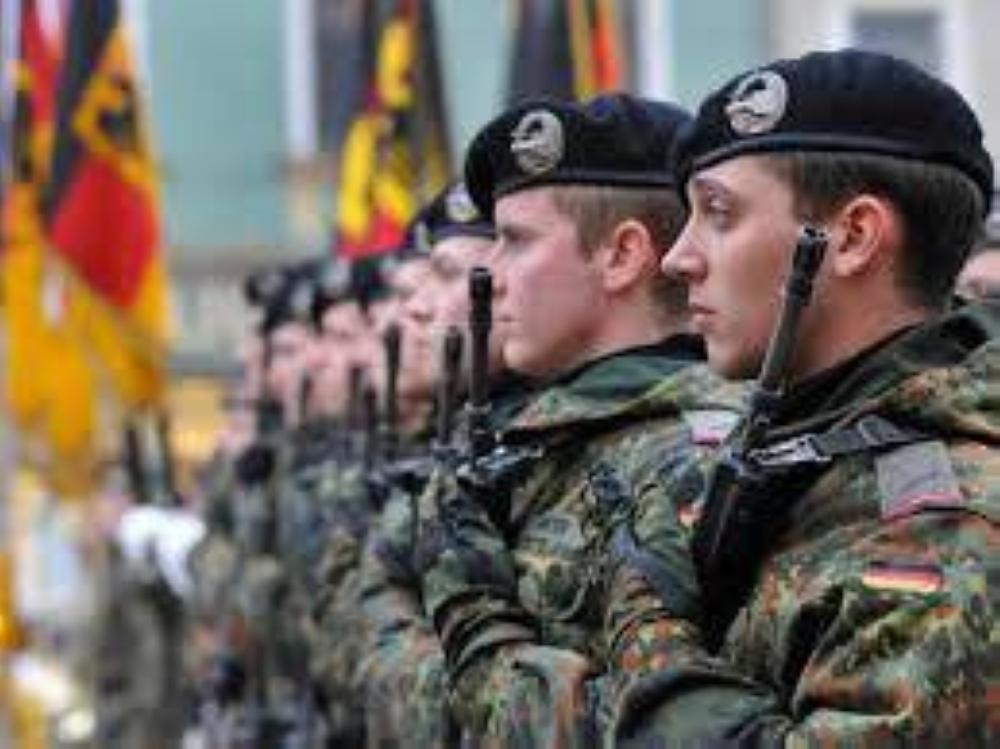
جنود من الجيش الألماني


تابع قناة عكاظ على الواتساب
«عكاظ» (جدة) okaz_online@
While German authorities are striving to increase their regular army from about 180,000 soldiers to 260,000, and to add hundreds of thousands of reserve soldiers who can be called up in times of crisis, they are facing a severe shortage of personnel due to the aging population.
According to Bloomberg, Germany is seeking to muster enough soldiers to drive its rearmament plan in the face of growing Russian threats. However, these efforts are encountering social and economic challenges, amid the intense pressure being felt in the labor market and the aging population.
It noted in its report that Berlin is taking some steps to reinstate compulsory military service, and analysts have suggested the possibility of incorporating immigrants into the army.
Some argue about whether there is a real need to reinstate compulsory military service, which was suspended in 2011. About 55% of Germans support this idea, while the coalition government is planning a voluntary model inspired by Sweden, at a time when Merz and Defense Minister Boris Pistorius have left the door open for reinstating compulsory service if progress is too slow.
The Merz government is expected to pass the legislation in the last week of August, allowing voluntary military service to be implemented by January. Pistorius aims to attract more than 110,000 recruits by the end of the decade.
Bloomberg reported that conservative lawmakers are urging their coalition partners from the Social Democratic Party to tighten the compulsory military service law through a mandatory mechanism for reinstating compulsory military service if the voluntary model fails to attract enough individuals.
In this context, Enzo Weber, an economist at the Institute for Employment Research, warned that the German economy would suffer severe losses if Berlin does not utilize the skills of its workforce.
He stated: From the perspective of the labor market, and for the benefit of the armed forces as well, we must ensure that the most suitable for the job are the ones going there, not those who are more suitable for other jobs.
The aging population in Germany poses a problem for the army, which has announced that it will need to replace a "wave" of retirees and seek new individuals. However, it insists that any model based on compulsory recruitment will only be used to increase the army's reserves, while full-time employees will need to be found through other means.
It is worth noting that in 2024, the number of soldiers fell to less than 180,000, the lowest level since 2018, despite long-standing efforts to reach more than 200,000 soldiers.
Former parliamentary commissioner for the armed forces, Eva Högl, acknowledged in a report released last March that the army has faced significant recruitment challenges for years, exacerbated by demographic changes and competition in the civilian labor market.
Bloomberg pointed out that while forcing people to serve may seem like a cost-effective solution, researchers at the Ifo Institute in Munich warn that this is not the solution, as recruits spend less time in the labor market, delaying their education and ultimately reducing their income.
According to Bloomberg, Germany is seeking to muster enough soldiers to drive its rearmament plan in the face of growing Russian threats. However, these efforts are encountering social and economic challenges, amid the intense pressure being felt in the labor market and the aging population.
It noted in its report that Berlin is taking some steps to reinstate compulsory military service, and analysts have suggested the possibility of incorporating immigrants into the army.
Some argue about whether there is a real need to reinstate compulsory military service, which was suspended in 2011. About 55% of Germans support this idea, while the coalition government is planning a voluntary model inspired by Sweden, at a time when Merz and Defense Minister Boris Pistorius have left the door open for reinstating compulsory service if progress is too slow.
The Merz government is expected to pass the legislation in the last week of August, allowing voluntary military service to be implemented by January. Pistorius aims to attract more than 110,000 recruits by the end of the decade.
Bloomberg reported that conservative lawmakers are urging their coalition partners from the Social Democratic Party to tighten the compulsory military service law through a mandatory mechanism for reinstating compulsory military service if the voluntary model fails to attract enough individuals.
In this context, Enzo Weber, an economist at the Institute for Employment Research, warned that the German economy would suffer severe losses if Berlin does not utilize the skills of its workforce.
He stated: From the perspective of the labor market, and for the benefit of the armed forces as well, we must ensure that the most suitable for the job are the ones going there, not those who are more suitable for other jobs.
The aging population in Germany poses a problem for the army, which has announced that it will need to replace a "wave" of retirees and seek new individuals. However, it insists that any model based on compulsory recruitment will only be used to increase the army's reserves, while full-time employees will need to be found through other means.
It is worth noting that in 2024, the number of soldiers fell to less than 180,000, the lowest level since 2018, despite long-standing efforts to reach more than 200,000 soldiers.
Former parliamentary commissioner for the armed forces, Eva Högl, acknowledged in a report released last March that the army has faced significant recruitment challenges for years, exacerbated by demographic changes and competition in the civilian labor market.
Bloomberg pointed out that while forcing people to serve may seem like a cost-effective solution, researchers at the Ifo Institute in Munich warn that this is not the solution, as recruits spend less time in the labor market, delaying their education and ultimately reducing their income.


