


على خلفية الحرب في غزة، يواجه جيش الاحتلال الإسرائيلي أزمة في التجنيد؛ لذا لجأ إلى دراسة توسيع قرار تمديد الخدمة العسكرية الإلزامية ليشمل وحدات قتالية جديدة.
ونقلت القناة 12 الإسرائيلية عن تقرير عسكري أن «الجيش الإسرائيلي يبحث تمديد الخدمة الإلزامية سنة إضافية لوحدات قتالية أخرى، بعد القرار السابق بتطبيق التمديد على جميع كتائب الاستطلاع في ألوية المشاة».
وعلى الرغم من نفي الجيش وجود قرار شامل ونهائي، فإن تمديد الخدمة بدأ بالفعل في وحدات النخبة، وتحديداً في وحدة «يهلوم» المتخصصة في الهندسة القتالية، ومن المرجح تعميمه قريباً على وحدات أخرى مثل «مغلان» و«دوفدوفان» و«إيغوز»، إضافة إلى وحدات المدفعية.
وتنص الخطة على رفع فترة الخدمة الإلزامية من 32 شهراً إلى 44 شهراً، أي من نحو 3 سنوات إلى 4 سنوات تقريباً، ما يشكّل تغييراً جذريّاً في معادلة الخدمة الإلزامية، التي لطالما أثارت الجدل داخل إسرائيل، خصوصاً حين تُقارن بالإعفاءات الممنوحة لأوساط الحريديم.
ويتزامن هذا التوجه مع مساعٍ حكومية في الكنيست لتمرير مشروع قانون يعفي عشرات الآلاف من طلاب المدارس الدينية (الحريديم) من التجنيد.
وكشف التقرير وجود قلق داخل المؤسسة الأمنية من انهيار في منظومة القوى البشرية، بعد تزايد تسرب الجنود الدائمين ونقص عدد الراغبين في البقاء، ما دفع قيادة الجيش إلى دعوة الرقباء الأوائل ونوابهم في ألوية المشاة للبقاء في الخدمة وتأجيل تسريحهم. وحسب تقديرات عسكرية، فإن آلاف الجنود سيتلقون قريباً بلاغات رسمية تؤجل تسريحهم لمدة عام إضافي.
ووفق تقرير القناة 12، نقل ضباط من لواء «نحال» إلى رئيس قيادة المنطقة الجنوبية خلال زيارته للقوات، مشاهد صادمة عن الضغط الذي يعيشه الجنود، وقال أحد الضباط إن «الجنود يتقاتلون حرفياً على كل مكان داخل ناقلة الجند». وهو ما يعكس حجم الإنهاك الذي يعيشه الجنود منذ ما يقارب العامين من القتال المتواصل في غزة.
وبعث عدد من الجنود برسالة احتجاج غاضبة إلى رئيس مديرية القوى البشرية في الجيش، جاء فيها: «لقد وجدتم في أبنائنا مغفّلين لتحميلهم أعباء لا تنتهي». وأضافوا أن أبناءهم تعرضوا لتجارب صادمة سترافقهم طوال حياتهم، وسط غياب أي رؤية حقيقية لإنهاء المعاناة.
ومع تعثر مسار المفاوضات وتواصل الحرب من دون حسم واضح، تصاعدت الأصوات داخل جيش الاحتلال داعية إلى إنهاء الحرب بهدف استعادة التوازن البشري والعملياتي.
وحسب مصادر عسكرية فإن القلق يتصاعد من أن تؤدي هذه الأزمة إلى تآكل في كفاءة الجيش على المدى البعيد، إذ باتت أعداد جنود الاحتياط والنظاميين تتناقص، بينما تتزايد المهمات الميدانية المطلوبة في غزة ومناطق أخرى.
هل تقر إسرائيل التمديد الإلزامي للخدمة العسكرية؟
أزمة تجنيد تثير مخاوف جيش الاحتلال
12 يوليو 2025 - 14:08
|
آخر تحديث 12 يوليو 2025 - 14:08
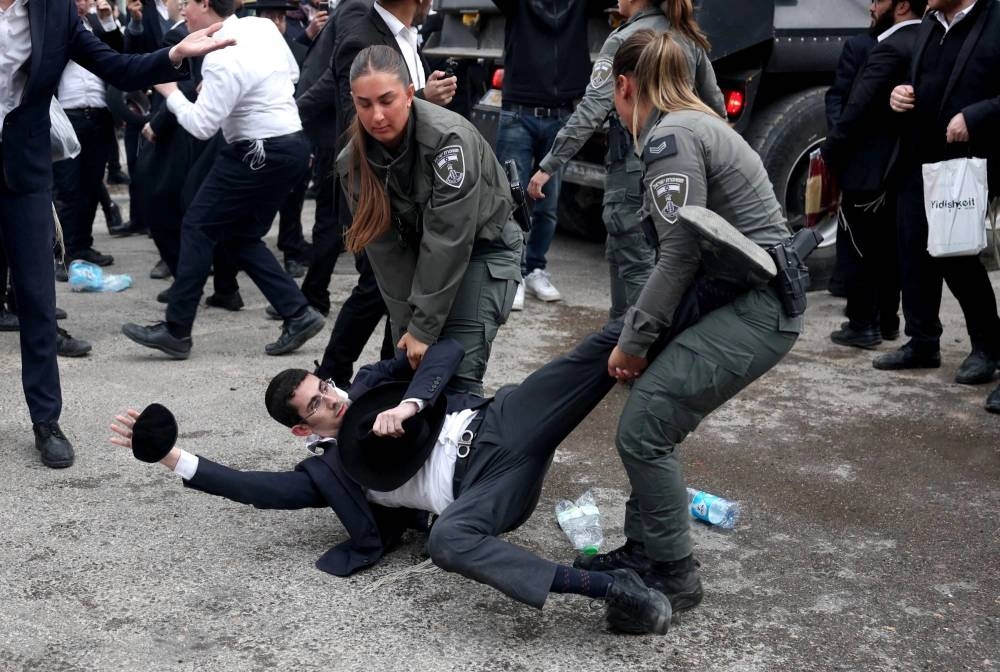
الحريديم يرفضون التجنيد


تابع قناة عكاظ على الواتساب
«عكاظ» (جدة) okaz_online@
In the backdrop of the war in Gaza, the Israeli occupation army is facing a recruitment crisis; therefore, it has resorted to studying the expansion of the decision to extend mandatory military service to include new combat units.
Israeli Channel 12 reported, citing a military report, that "the Israeli army is considering extending mandatory service for an additional year to other combat units, following the previous decision to apply the extension to all reconnaissance battalions in the infantry brigades."
Although the army denies the existence of a comprehensive and final decision, the extension of service has already begun in elite units, specifically in the "Yahalom" unit specialized in combat engineering, and it is likely to be generalized soon to other units such as "Maglan," "Duvdevan," and "Egoz," in addition to artillery units.
The plan stipulates raising the mandatory service period from 32 months to 44 months, which is from about 3 years to nearly 4 years, representing a radical change in the equation of mandatory service, which has always sparked controversy within Israel, especially when compared to the exemptions granted to the Haredi community.
This trend coincides with government efforts in the Knesset to pass a bill exempting tens of thousands of students from religious schools (Haredim) from conscription.
The report revealed concerns within the security establishment about a collapse in the human resources system, following an increase in the permanent soldiers' attrition and a shortage of those willing to stay, prompting the army leadership to call on the first sergeants and their deputies in the infantry brigades to remain in service and postpone their discharge. According to military estimates, thousands of soldiers will soon receive official notifications delaying their discharge for an additional year.
According to Channel 12's report, officers from the "Nahal" brigade conveyed shocking scenes to the head of the Southern Command during his visit to the troops, describing the pressure that soldiers are experiencing. One officer stated that "soldiers are literally fighting over every spot inside the armored personnel carrier." This reflects the level of exhaustion that soldiers have been experiencing for nearly two years of continuous fighting in Gaza.
A number of soldiers sent an angry protest message to the head of the army's Human Resources Directorate, stating: "You have found in our sons fools to burden them with endless burdens." They added that their sons have been subjected to traumatic experiences that will accompany them for the rest of their lives, amid the absence of any real vision to end the suffering.
With the negotiations stalled and the war continuing without a clear resolution, voices within the occupation army have risen calling for an end to the war in order to restore human and operational balance.
According to military sources, there is growing concern that this crisis could lead to a deterioration in the army's efficiency in the long term, as the numbers of reserve and regular soldiers are decreasing, while the field missions required in Gaza and other areas are increasing.
Israeli Channel 12 reported, citing a military report, that "the Israeli army is considering extending mandatory service for an additional year to other combat units, following the previous decision to apply the extension to all reconnaissance battalions in the infantry brigades."
Although the army denies the existence of a comprehensive and final decision, the extension of service has already begun in elite units, specifically in the "Yahalom" unit specialized in combat engineering, and it is likely to be generalized soon to other units such as "Maglan," "Duvdevan," and "Egoz," in addition to artillery units.
The plan stipulates raising the mandatory service period from 32 months to 44 months, which is from about 3 years to nearly 4 years, representing a radical change in the equation of mandatory service, which has always sparked controversy within Israel, especially when compared to the exemptions granted to the Haredi community.
This trend coincides with government efforts in the Knesset to pass a bill exempting tens of thousands of students from religious schools (Haredim) from conscription.
The report revealed concerns within the security establishment about a collapse in the human resources system, following an increase in the permanent soldiers' attrition and a shortage of those willing to stay, prompting the army leadership to call on the first sergeants and their deputies in the infantry brigades to remain in service and postpone their discharge. According to military estimates, thousands of soldiers will soon receive official notifications delaying their discharge for an additional year.
According to Channel 12's report, officers from the "Nahal" brigade conveyed shocking scenes to the head of the Southern Command during his visit to the troops, describing the pressure that soldiers are experiencing. One officer stated that "soldiers are literally fighting over every spot inside the armored personnel carrier." This reflects the level of exhaustion that soldiers have been experiencing for nearly two years of continuous fighting in Gaza.
A number of soldiers sent an angry protest message to the head of the army's Human Resources Directorate, stating: "You have found in our sons fools to burden them with endless burdens." They added that their sons have been subjected to traumatic experiences that will accompany them for the rest of their lives, amid the absence of any real vision to end the suffering.
With the negotiations stalled and the war continuing without a clear resolution, voices within the occupation army have risen calling for an end to the war in order to restore human and operational balance.
According to military sources, there is growing concern that this crisis could lead to a deterioration in the army's efficiency in the long term, as the numbers of reserve and regular soldiers are decreasing, while the field missions required in Gaza and other areas are increasing.


