


وسط مخاوف من استخدام الذكاء الاصطناعي في التضليل السياسي والقرصنة الرقمية، فتحت السلطات الأمريكية تحقيقاً واسعاً في حادثة اختراق خطيرة.
وذكرت وسائل إعلام أمريكية أن شخصاً مجهولاً قام بانتحال شخصية وزير الخارجية الأمريكي ماركو روبيو، باستخدام تقنيات الذكاء الاصطناعي، وأرسل رسائل صوتية ونصية مقلدة إلى عدد من كبار المسؤولين، بينهم 3 وزراء خارجية، وحاكم ولاية أمريكية، وعضو في الكونغرس، وبحسب صحيفة «واشنطن بوست»، فإن الهجمة وقعت منتصف يونيو الماضي عبر تطبيق «سيغنال»، واستخدم الفاعل اسماً وبريداً إلكترونياً مزيفاً يشبه الهوية الرسمية لروبيو («Marco.Rubio@state.gov») للتواصل مع دبلوماسيين ومسؤولين.
وأفادت الصحيفة أن الشخص لا تزال هويته مجهولة. ونقلت عن مسؤول أمريكي كبير في وزارة الخارجية قوله إن المنتحل استخدم برنامج ذكاء اصطناعي لتقليد صوت وأسلوب روبيو، وأرسل رسائل صوتية ونصية عبر تطبيق «سيغنال» المشفر، كما تم انتحال هويات موظفين آخرين في «الخارجية».
وأشار المسؤول إلى أن الوزارة تعهدت بإجراء «تحقيق شامل» دون الكشف عن تفاصيل الرسائل أو أسماء المستهدفين.
وتمكّن أحد القراصنة من الوصول إلى خوادم تطبيق «TM SGNL»، النسخة المعدّلة من تطبيق «سيغنال» (Signal)، خلال أقل من 20 دقيقة. وفي مايو الماضي تم اختراق هاتف رئيسة موظفي البيت الأبيض سوزي وايلز، واستخدامه لإرسال رسائل إلى شخصيات بارزة، ما دفع البيت الأبيض ومكتب التحقيقات الفيدرالي FBI لفتح تحقيق. ومع ذلك، قلل الرئيس ترمب من خطورة الحادث، وأشاد بقدرة وايلز على التعامل معه وقتها.
يُذكر أن انتحال شخصية موظف فيدرالي تعد جريمة في القانون الأمريكي، رغم أن «إف بي آي» يرفض التعليق على واقعة وزير الخارجية الأمريكي.
الذكاء الاصطناعي يثير مخاوف السياسيين في حكومة ترمب
من يقف وراء انتحال شخصية وزير الخارجية الأمريكي؟
8 يوليو 2025 - 21:48
|
آخر تحديث 8 يوليو 2025 - 21:48
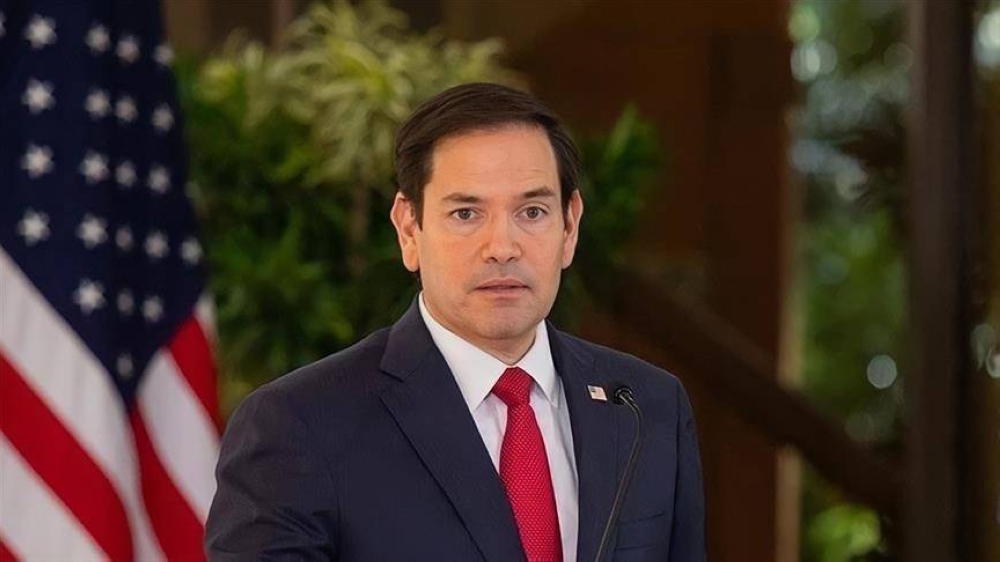
وزير الخارجية الأمريكي


تابع قناة عكاظ على الواتساب
«عكاظ» (جدة) okaz_online@
Amid fears of the use of artificial intelligence in political misinformation and digital hacking, U.S. authorities have opened a wide-ranging investigation into a serious hacking incident.
U.S. media reported that an unknown individual impersonated U.S. Secretary of State Marco Rubio, using artificial intelligence techniques, and sent fake voice and text messages to several senior officials, including three secretaries of state, a U.S. governor, and a member of Congress. According to the Washington Post, the attack occurred in mid-June via the Signal app, and the perpetrator used a fake name and email that closely resembled Rubio's official identity ("Marco.Rubio@state.gov") to communicate with diplomats and officials.
The newspaper reported that the individual's identity remains unknown. It quoted a senior U.S. official at the State Department saying that the impersonator used AI software to mimic Rubio's voice and style, sending voice and text messages through the encrypted Signal app, and that other identities of employees at the State Department were also impersonated.
The official noted that the department has committed to conducting a "comprehensive investigation" without disclosing details of the messages or the names of the targets.
One hacker was able to access the servers of the TM SGNL app, a modified version of the Signal app, in less than 20 minutes. Last May, the phone of White House Chief of Staff Suzy Wiles was hacked and used to send messages to prominent figures, prompting the White House and the FBI to open an investigation. However, President Trump downplayed the severity of the incident and praised Wiles's ability to handle it at the time.
It is worth noting that impersonating a federal employee is a crime under U.S. law, although the FBI has declined to comment on the incident involving the U.S. Secretary of State.
U.S. media reported that an unknown individual impersonated U.S. Secretary of State Marco Rubio, using artificial intelligence techniques, and sent fake voice and text messages to several senior officials, including three secretaries of state, a U.S. governor, and a member of Congress. According to the Washington Post, the attack occurred in mid-June via the Signal app, and the perpetrator used a fake name and email that closely resembled Rubio's official identity ("Marco.Rubio@state.gov") to communicate with diplomats and officials.
The newspaper reported that the individual's identity remains unknown. It quoted a senior U.S. official at the State Department saying that the impersonator used AI software to mimic Rubio's voice and style, sending voice and text messages through the encrypted Signal app, and that other identities of employees at the State Department were also impersonated.
The official noted that the department has committed to conducting a "comprehensive investigation" without disclosing details of the messages or the names of the targets.
One hacker was able to access the servers of the TM SGNL app, a modified version of the Signal app, in less than 20 minutes. Last May, the phone of White House Chief of Staff Suzy Wiles was hacked and used to send messages to prominent figures, prompting the White House and the FBI to open an investigation. However, President Trump downplayed the severity of the incident and praised Wiles's ability to handle it at the time.
It is worth noting that impersonating a federal employee is a crime under U.S. law, although the FBI has declined to comment on the incident involving the U.S. Secretary of State.


