


أعلن الموفد الأمريكي توم براك أنه تسلم رد الحكومة اللبنانية على الورقة الأمريكية، ونحن راضون وممتنون، وسنتعمق في تفاصيله تمهيداً للوصول إلى تسوية شاملة.
وأكد عقب لقاء الرئيس اللبناني جوزيف عون، أن لبنان والمنطقة يمران بـ«مرحلة مثيرة ومهمة»، معتبرا أن الفرصة سانحة اليوم أمام الجميع لإنهاء النزاع مع إسرائيل والتوجّه نحو مرحلة جديدة من السلام والاستقرار.
وقال في مؤتمر صحفي أعقب لقاءاته الرسمية في بيروت، اليوم (الإثنين): «إن الرئيس الأمريكي دونالد ترمب يحترم لبنان، وأعلن التزامه بدعمه في مسار السلم والازدهار».
وأفاد براك: «نحن الآن في صدد صياغة خطة للمستقبل بشأن لبنان، وهذا يتطلب حواراً معمّقاً، وشراكة حقيقية، فالتغيير بيد اللبنانيين، ونحن سنكون إلى جانبهم إن قرروا السير فيه».
وأضاف: «لا نملي على لبنان كيف يجب أن يتعامل مع ملف سلاح حزب الله، هذا قرار لبناني داخلي، لكننا نود أن نرى معالجة مسؤولة لهذا الملف، لأن المنطقة تتغير بسرعة، وكل من يتخلف عن التغيير سيتكبّد الخسائر».
وشدد على أن الجميع تعب من الفوضى والنزاعات، وحان الوقت لاغتنام هذه اللحظة التاريخية لإحداث تحوّل فعلي نحو الاستقرار، مضيفاً: نشعر بالأمل، ونؤمن بأن أمام لبنان فرصة حقيقية للمضي قدماً، ونحن ملتزمون بدعمه في هذه المسيرة.
وبدا المؤتمر الصحفي للموفد الأمريكي وكأنه رسم أولي لخريطة طريق جديدة، لا تحدد فقط مستقبل العلاقات اللبنانية–الأمريكية، بل ترسم حدود الحركة لكل الأطراف الداخلية، وخصوصاً حزب الله. فواشنطن، وإن تظاهرت بالحياد في ملف السلاح، تركت إشارات صارخة بأنّ التغيير بات ضرورة، لا خياراً.
ومع عودة براك إلى واشنطن، تتجه الأنظار إلى الاجتماع المرتقب بين الرئيس الأمريكي دونالد ترمب ورئيس وزراء الاحتلال بنيامين نتنياهو، حيث قد تُتخذ قرارات تتجاوز الرد اللبناني نفسه، لتطال موقع لبنان في معادلة شرق أوسط يعاد تشكيله تحت عناوين السلام... أو الإخضاع.
وتفيد تسريبات بأن الرد اللبناني يتضمن:
أولا: الالتزام بتفاهمات وقف الأعمال العدائية الناتجة عن القرار 1701.
ثانيا: أهمية تجديد ولاية اليونيفيل ودعم الجيش اللبناني، وتمكينها من أداء مهماتها بالتنسيق مع الجيش اللبناني، ويدعو المجتمع الدولي إلى تعزيز الدعم اللوجستي والمالي للجيش اللبناني بما يتيح له توسيع انتشاره في منطقة جنوب الليطاني.
- ثالثا: تفكيك منشآت حزب الله جنوب الليطاني، في سياق تعزيز سلطة الدولة وبسط سيادتها، وتثبيت منطقة خالية من أي مظاهر مسلحة خارج إطار الدولة.
- رابعا: الانسحاب الإسرائيلي من النقاط الخمس والمناطق المتنازع عليها وعلى رأسها مزارع شبعا وتلال كفرشوبا، ويجدد المطالبة بإعادة الأسرى والموقوفين اللبنانيين لدى سلطات الاحتلال، وبتوضيح مصير المفقودين.
- خامسا: التأكيد على تطبيق اتفاق الطائف والقرار 1701.
- سادسا: تفعيل «لجنة الميكانيزم» ووقف الاعتداءات ويطالب الولايات المتحدة بلعب دور فاعل في الضغط على إسرائيل لوقف اعتداءاتها المتكررة على لبنان، وضمان احترام تفاهمات وقف الأعمال العدائية.
- سابعا: يدعو لبنان إلى رعاية عربية لمسار العلاقة اللبنانية – السورية بما يضمن عودة النازحين السوريين بصورة آمنة وكريمة، ويشدد على أهمية ضبط الحدود اللبنانية – السورية.
- ثامنا: التمسك بخطاب القسم والبيان الوزاري خصوصا في ما يتعلق بحماية السيادة، وتطبيق الإصلاحات، والتمسك بمرجعية الدولة ومؤسساتها.
- تاسعا: المضي في مسار الإصلاحات المالية والاقتصادية ويُدرج هذا الالتزام في سياق إعادة بناء الثقة بالاقتصاد اللبناني واستعادة علاقته الطبيعية بالمنظومة المالية الدولية.
- عاشرا: أهمية إعادة الإعمار وتسهيل التزامات لبنان وضع سلاح الفصائل الفلسطينية على طاولة الحل بما ينسجم مع اتفاق الطائف ومندرجات القرار.
براك يتسلم رد الحكومة اللبنانية
المبعوث الأمريكي: نسعى لتسوية شاملة
7 يوليو 2025 - 14:13
|
آخر تحديث 7 يوليو 2025 - 14:13
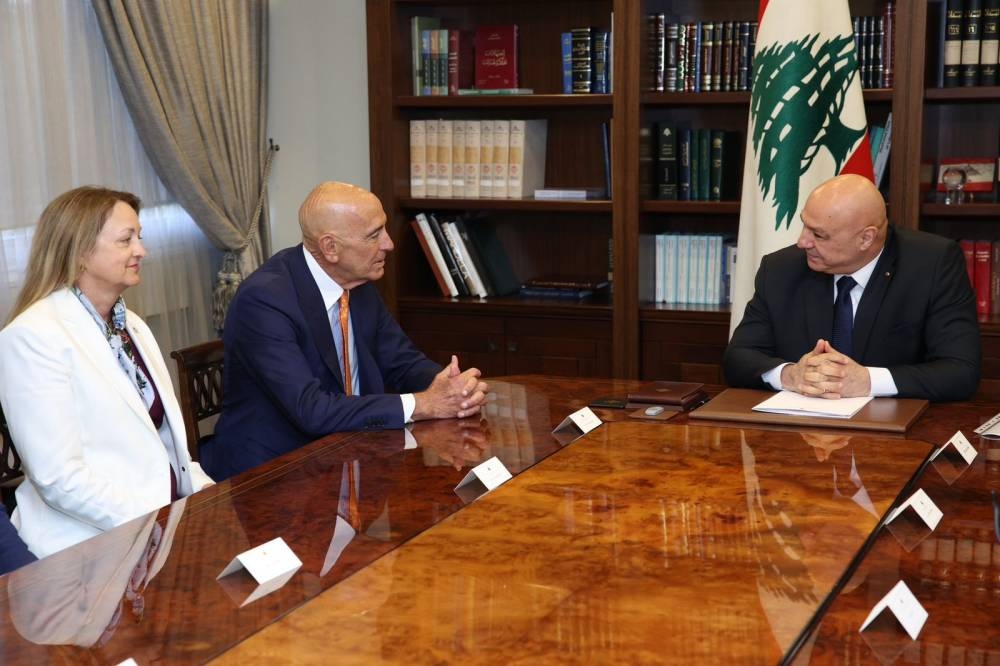
الرئيس اللبناني مستقبلا المبعوث الأمريكي في بيروت.


تابع قناة عكاظ على الواتساب
راوية حشمي (بيروت) HechmiRawiya@
The American envoy Tom Barak announced that he received the Lebanese government's response to the American paper, and we are satisfied and grateful, and we will delve into its details in preparation for reaching a comprehensive settlement.
He confirmed after meeting with Lebanese President Joseph Aoun that Lebanon and the region are going through a "exciting and important phase," considering that the opportunity is ripe today for everyone to end the conflict with Israel and move towards a new phase of peace and stability.
He said in a press conference following his official meetings in Beirut today (Monday): "President Donald Trump respects Lebanon, and he announced his commitment to support it in the path of peace and prosperity."
Barak stated: "We are now in the process of formulating a plan for the future regarding Lebanon, and this requires in-depth dialogue and genuine partnership, as change is in the hands of the Lebanese, and we will be alongside them if they decide to pursue it."
He added: "We do not dictate to Lebanon how it should deal with the Hezbollah arms file; this is an internal Lebanese decision, but we would like to see a responsible handling of this file, as the region is changing rapidly, and anyone who falls behind on change will incur losses."
He emphasized that everyone is tired of chaos and conflicts, and it is time to seize this historic moment to bring about a real transformation towards stability, adding: "We feel hopeful, and we believe that Lebanon has a real opportunity to move forward, and we are committed to supporting it in this journey."
The American envoy's press conference seemed like a preliminary sketch for a new roadmap that not only defines the future of Lebanese-American relations but also outlines the movement for all internal parties, especially Hezbollah. Washington, while pretending to be neutral on the arms issue, has left stark signals that change has become a necessity, not an option.
As Barak returns to Washington, attention turns to the anticipated meeting between President Donald Trump and Israeli Prime Minister Benjamin Netanyahu, where decisions may be made that go beyond the Lebanese response itself, affecting Lebanon's position in a reshaped Middle East under the banners of peace... or subjugation.
Leaks indicate that the Lebanese response includes:
First: Commitment to the understandings of the cessation of hostilities resulting from Resolution 1701.
Second: The importance of renewing UNIFIL's mandate and supporting the Lebanese army, enabling it to perform its tasks in coordination with the Lebanese army, and calling on the international community to enhance logistical and financial support for the Lebanese army to allow it to expand its deployment in the area south of the Litani.
- Third: The dismantling of Hezbollah's facilities south of the Litani, in the context of strengthening the authority of the state and asserting its sovereignty, and establishing an area free of any armed manifestations outside the framework of the state.
- Fourth: The Israeli withdrawal from the five points and disputed areas, foremost among them the Shebaa Farms and the Kfarshouba Hills, and renewing the demand for the return of Lebanese prisoners and detainees held by the occupation authorities, and clarifying the fate of the missing.
- Fifth: Emphasizing the implementation of the Taif Agreement and Resolution 1701.
- Sixth: Activating the "mechanism committee" and stopping aggressions, and calling on the United States to play an active role in pressuring Israel to stop its repeated aggressions against Lebanon and to ensure respect for the understandings of the cessation of hostilities.
- Seventh: Lebanon calls for Arab sponsorship of the Lebanese-Syrian relationship to ensure the safe and dignified return of Syrian refugees, emphasizing the importance of controlling the Lebanese-Syrian borders.
- Eighth: Adhering to the oath speech and the ministerial statement, especially concerning the protection of sovereignty, the implementation of reforms, and adherence to the authority of the state and its institutions.
- Ninth: Continuing on the path of financial and economic reforms, and this commitment is included in the context of rebuilding trust in the Lebanese economy and restoring its natural relationship with the international financial system.
- Tenth: The importance of reconstruction and facilitating Lebanon's commitments to place the arms of Palestinian factions on the negotiating table in accordance with the Taif Agreement and the provisions of the resolution.
He confirmed after meeting with Lebanese President Joseph Aoun that Lebanon and the region are going through a "exciting and important phase," considering that the opportunity is ripe today for everyone to end the conflict with Israel and move towards a new phase of peace and stability.
He said in a press conference following his official meetings in Beirut today (Monday): "President Donald Trump respects Lebanon, and he announced his commitment to support it in the path of peace and prosperity."
Barak stated: "We are now in the process of formulating a plan for the future regarding Lebanon, and this requires in-depth dialogue and genuine partnership, as change is in the hands of the Lebanese, and we will be alongside them if they decide to pursue it."
He added: "We do not dictate to Lebanon how it should deal with the Hezbollah arms file; this is an internal Lebanese decision, but we would like to see a responsible handling of this file, as the region is changing rapidly, and anyone who falls behind on change will incur losses."
He emphasized that everyone is tired of chaos and conflicts, and it is time to seize this historic moment to bring about a real transformation towards stability, adding: "We feel hopeful, and we believe that Lebanon has a real opportunity to move forward, and we are committed to supporting it in this journey."
The American envoy's press conference seemed like a preliminary sketch for a new roadmap that not only defines the future of Lebanese-American relations but also outlines the movement for all internal parties, especially Hezbollah. Washington, while pretending to be neutral on the arms issue, has left stark signals that change has become a necessity, not an option.
As Barak returns to Washington, attention turns to the anticipated meeting between President Donald Trump and Israeli Prime Minister Benjamin Netanyahu, where decisions may be made that go beyond the Lebanese response itself, affecting Lebanon's position in a reshaped Middle East under the banners of peace... or subjugation.
Leaks indicate that the Lebanese response includes:
First: Commitment to the understandings of the cessation of hostilities resulting from Resolution 1701.
Second: The importance of renewing UNIFIL's mandate and supporting the Lebanese army, enabling it to perform its tasks in coordination with the Lebanese army, and calling on the international community to enhance logistical and financial support for the Lebanese army to allow it to expand its deployment in the area south of the Litani.
- Third: The dismantling of Hezbollah's facilities south of the Litani, in the context of strengthening the authority of the state and asserting its sovereignty, and establishing an area free of any armed manifestations outside the framework of the state.
- Fourth: The Israeli withdrawal from the five points and disputed areas, foremost among them the Shebaa Farms and the Kfarshouba Hills, and renewing the demand for the return of Lebanese prisoners and detainees held by the occupation authorities, and clarifying the fate of the missing.
- Fifth: Emphasizing the implementation of the Taif Agreement and Resolution 1701.
- Sixth: Activating the "mechanism committee" and stopping aggressions, and calling on the United States to play an active role in pressuring Israel to stop its repeated aggressions against Lebanon and to ensure respect for the understandings of the cessation of hostilities.
- Seventh: Lebanon calls for Arab sponsorship of the Lebanese-Syrian relationship to ensure the safe and dignified return of Syrian refugees, emphasizing the importance of controlling the Lebanese-Syrian borders.
- Eighth: Adhering to the oath speech and the ministerial statement, especially concerning the protection of sovereignty, the implementation of reforms, and adherence to the authority of the state and its institutions.
- Ninth: Continuing on the path of financial and economic reforms, and this commitment is included in the context of rebuilding trust in the Lebanese economy and restoring its natural relationship with the international financial system.
- Tenth: The importance of reconstruction and facilitating Lebanon's commitments to place the arms of Palestinian factions on the negotiating table in accordance with the Taif Agreement and the provisions of the resolution.


