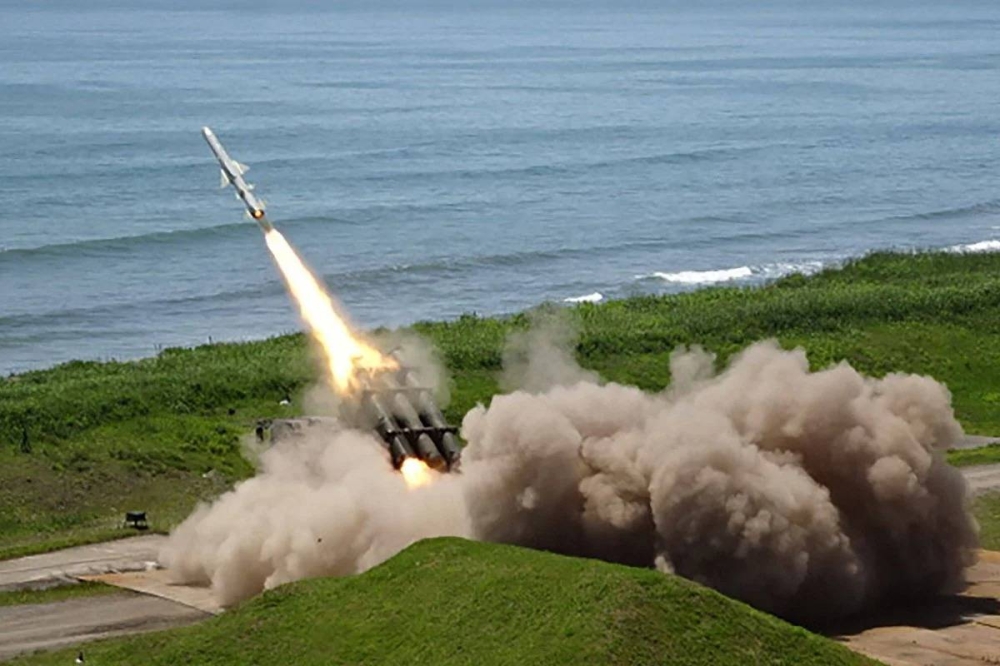
في خطوة تعكس تحولاً كبيراً في سياسة الدفاع اليابانية، أجرت قوات الدفاع الذاتي اليابانية في 24 يونيو 2025 أول تجربة إطلاق صاروخي على الأراضي اليابانية، إذ أطلق اللواء الأول للمدفعية في هوكايدو صاروخاً من طراز «تايب-88» مضاداً للسفن باتجاه سفينة غير مأهولة على بعد 40 كيلومتراً قبالة الساحل، بحسب صحيفة «south china morning post».
وكانت مثل هذه التجارب تُجرى سابقاً في دول حليفة مثل الولايات المتحدة وأستراليا بسبب قيود المساحة والسلامة. ويأتي التمرين في إطار سعي اليابان لتعزيز استقلاليتها الدفاعية في مواجهة الأنشطة البحرية الصينية المتصاعدة واختبارات الصواريخ الكورية الشمالية.
وأكد وزير الدفاع الياباني، جن ناكاتاني، في مؤتمر صحفي في أبريل الماضي، أن هذا التحرك يهدف إلى بناء قدرات دفاعية ذاتية في ظل بيئة أمنية تزداد قسوة.
ويرى المحللون أن هذا الإطلاق يمثل رسالة واضحة للداخل والخارج بأن اليابان تعزز قدراتها الصاروخية بعيدة المدى لردع الصين.
وأشار مدير دراسات الأمن في المعهد الوطني للدراسات الدفاعية ماسافومي إيدا إلى أن هذه التجربة تُظهر تقدماً في تطوير القدرات الدقيقة لليابان، ما يعزز قوتها الرادعة.
تزامن هذا التحول مع تغير في الرأي العام الياباني، إذ أصبح المواطنون أكثر تقبلاً للتدريبات العسكرية بسبب المخاوف من تدهور الأوضاع الأمنية الإقليمية.
وأوضح أستاذ دراسات آسيا والمحيط الهادئ يويتشيرو ساتو أن اختيار هوكايدو كموقع للإطلاق كان مقصوداً لتجنب إثارة التوترات مع الصين أو روسيا أو كوريا الشمالية، مؤكداً أن التجارب الصاروخية لم تعد تثير صورة اليابان العسكرية التقليدية.
ورغم أن الدستور الياباني السلمي بعد الحرب العالمية الثانية يحد من استخدام القوة للدفاع عن النفس، فقد اعتمدت طوكيو في 2022 إستراتيجية أمنية جديدة تصنف الصين كأكبر تحدٍ إستراتيجي، مع تعزيز التحالف مع الولايات المتحدة.
وتستجيب اليابان للتهديدات الإقليمية، بما في ذلك إطلاق كوريا الشمالية للصواريخ قصيرة المدى وتوسع ترسانة الصين الصاروخية، عبر زيادة الإنفاق الدفاعي ليصل إلى 2% من الناتج المحلي الإجمالي بحلول 2027.
كما تخطط اليابان لنشر صواريخ كروز بعيدة المدى، بما في ذلك صواريخ «توماهوك» الأمريكية، وتطوير صاروخ «تايب-12» المحسن بمدى يصل إلى 1000 كيلومتر.
وأوضح ساتو أن قرار نشر هذه الصواريخ في كيوشو بدلاً من جزيرة مياكو القريبة من تايوان يعكس نهجاً حذراً لتجنب التصعيد في مضيق تايوان.
يُعد إطلاق هوكايدو رمزاً لتحول اليابان من دولة سلمية ما بعد الحرب إلى دولة تستعد بقوة لمواجهة التحديات الأمنية المستقبلية في ظل التوترات الإقليمية المتزايدة.
In a move that reflects a significant shift in Japanese defense policy, the Japan Self-Defense Forces conducted their first missile launch test on Japanese territory on June 24, 2025. The 1st Artillery Brigade in Hokkaido launched a Type-88 anti-ship missile towards an unmanned vessel located 40 kilometers off the coast, according to the South China Morning Post.
Such tests were previously conducted in allied countries like the United States and Australia due to space and safety constraints. This exercise comes as Japan seeks to enhance its defensive independence in the face of rising Chinese maritime activities and North Korean missile tests.
Japanese Defense Minister Gen Nakatani confirmed in a press conference last April that this move aims to build self-defense capabilities amid an increasingly harsh security environment.
Analysts view this launch as a clear message to both domestic and international audiences that Japan is strengthening its long-range missile capabilities to deter China.
Masafumi Ida, Director of Security Studies at the National Defense Studies Institute, noted that this test demonstrates progress in Japan's precision capabilities, thereby enhancing its deterrent power.
This shift coincides with a change in Japanese public opinion, as citizens have become more accepting of military exercises due to concerns over deteriorating regional security conditions.
Yuitchiro Sato, a professor of Asia-Pacific Studies, explained that the choice of Hokkaido as the launch site was intentional to avoid escalating tensions with China, Russia, or North Korea, emphasizing that missile tests no longer evoke the traditional military image of Japan.
Although Japan's pacifist constitution post-World War II limits the use of force for self-defense, Tokyo adopted a new security strategy in 2022 that classifies China as the greatest strategic challenge, while strengthening its alliance with the United States.
Japan is responding to regional threats, including North Korea's short-range missile launches and the expansion of China's missile arsenal, by increasing defense spending to reach 2% of GDP by 2027.
Japan also plans to deploy long-range cruise missiles, including American Tomahawk missiles, and develop an improved Type-12 missile with a range of up to 1,000 kilometers.
Sato clarified that the decision to deploy these missiles in Kyushu instead of the Miyako Islands near Taiwan reflects a cautious approach to avoid escalation in the Taiwan Strait.
The launch from Hokkaido symbolizes Japan's transformation from a post-war pacifist nation to a country that is vigorously preparing to face future security challenges amid increasing regional tensions.