يواجه «حزب أمريكا» الذي أسسه الملياردير إيلون ماسك، العديد من التحديات الهائلة التي قد تعرقل طموحاته السياسية، بحسب ما أوردت صحيفة «واشنطن بوست» الأمريكية. ويُشكل النظام الانتخابي الأمريكي القائم على مبدأ «الفائز يأخذ كل شيء»، عائقًا رئيسيًا أمام الأحزاب الثالثة.
وتؤكد الصحيفة أن ماسك أمام تحديات كبيرة في مسعاه لتأسيس حزب سياسي مؤثر في الولايات المتحدة، بين النظام الانتخابي القائم، والتحديات التاريخية للأحزاب الثالثة، وطبعه الشخصي، بالإضافة إلى الحاجة لبناء قاعدة جماهيرية متماسكة وداعمة، وهو ما يبدو أن طريق الحزب الجديد لن يكون سهلا.
وحسب أستاذ التاريخ السياسي في جامعة جورج تاون هانز نويل، فإن الولايات المتحدة تفتقر إلى المؤسسات التي تمكّن الأحزاب الصغيرة من تحقيق نجاح كبير، إذ إن الفوز يتطلب انتصارًا حاسمًا، على عكس الديمقراطيات الأخرى التي تتيح للأحزاب الصغرى الحصول على مقاعد بناءً على نسب الأصوات.
ولفت إلى أنه سيتعين على حزب ماسك الامتثال لمتطلبات صارمة للظهور في بطاقات الاقتراع في الولايات المختلفة، خصوصا إذا كان يهدف لدعم مرشحين فيدراليين أو تقديم مرشح رئاسي. وتشمل هذه المتطلبات في رأي نويل، عادةً قواعد الإقامة وتوقيعات العرائض من الناخبين.
فيما وصف الأستاذ في جامعة ديوك ماك ماكوركل، هذه المعايير بأنها «شاقة»، لافتا إلى أنها أعاقت العديد من مرشحي الأحزاب الثالثة في الماضي، بمن فيهم المرشحون البارزون في انتخابات 2024.
وبحسب الصحيفة، فإن الأحزاب السياسية خارج الحزبين الرئيسيين في الولايات المتحدة لم تحقق سوى نجاح محدود على المستوى الوطني، وآخر مرة فاز فيها مرشح رئاسي من خارج الحزبين بأصوات انتخابية كانت في عام 1968.
ولم يفز حتى المرشحون الأقوياء مثل الملياردير روس بيرو، الذي حصل على 19% من الأصوات الشعبية في عام 1992، بأية أصوات انتخابية بسبب نظام المجمع الانتخابي. ويعتقد الخبراء أن مرشحي الأحزاب الثالثة يمكن أن يكونوا «مفسدين ومُربكين» يؤثرون على نتائج الانتخابات من دون الفوز بها..
ويقول هؤلاء إن مرشحي حزب ماسك يمكن أن يسحبوا أصواتًا من مرشحي الحزب الجمهوري، خصوصا في انتخابات التجديد النصفي، ما قد يصب في صالح الديمقراطيين.
ورأى تقرير الصحيفة الأمريكية أن ماسك يخطط لاستهداف انتخابات منتصف المدة القادمة، من خلال إستراتيجية وصفها بأنها «قوة مركزة للغاية في موقع محدد على ساحة المعركة».
وأفاد مراقبون سياسيون أن معارضة ماسك للإنفاق الحكومي، التي دفعت به لتأسيس الحزب، قد لا تكون كافية لتشكيل إستراتيجية حزبية طويلة الأمد، كما أن حصول شركاته على عقود حكومية ضخمة يمكن أن يقوض رسالته الليبرالية المزعومة ضد الإنفاق الحكومي وفقا للتحليل.
ويزعم ماسك أن حزبه سيستهدف 80% من «الوسط»، لكن نويل يجادل بأن هذا القطاع ليس لديه بالضرورة التماسك الكافي لتشكيل حزب سياسي قوي، فالناخبون في «الوسط» قد يكون لديهم مخاوف من الأحزاب القائمة، لكنهم لا يشكلون دائرة انتخابية متجانسة ذات أهداف سياسية واضحة ومحددة.
وبعد ابتعاده عن إدارة ترمب وعلاقته المتوترة مع الجمهوريين في الكونغرس، يبدو أن نفوذ ماسك في الحزب الجمهوري يتضاءل. حتى إن حلفاء ترمب يعلنون تأسيس لجان عمل سياسي لمواجهة جهود ماسك.
ورغم ثروة ماسك الهائلة، يؤكد نويل أن الأحزاب القوية تبني قوتها من خلال شبكات الناخبين المخلصين الذين لا يكتفون بتقديم المال، بل يشاركون بنشاط في الحملات ويدعمون الحزب حتى بعد الخسائر المبكرة. هذا النوع من الولاء لا يمكن شراؤه بالمال وحده.
ولعل إحدى أكبر التحديات التي ستواجه ماسك هي طبيعته الشخصية.
وتساءل الخبراء عما إذا كان الملياردير متقلب المزاج، والمعروف بوضع أهداف طموحة وقيادة فرق العمل نحو إنجازات سريعة، سيتحمل العمليات البطيئة والروتينية اللازمة لتسجيل المرشحين في بطاقات الاقتراع، وتقبل الخسائر المتوقعة في السباقات الانتخابية.
ولفت ماكوركل إلى أن «ماسك قد لا يمتلك الصبر اللازم لهذا المسعى». كما أن اختيار المرشحين سيكون تحديًا كبيرًا، حيث سيتعرض ماسك على الأرجح لتدفق من الطامحين الذين يسعون للحصول على تمويله، ما قد يؤدي إلى مواقف محرجة إذا كان عليه أن يدرج عددًا كبيرًا من المرشحين غير المؤهلين.
ما هي فرص نجاح حزب إيلون ماسك؟
6 يوليو 2025 - 12:07
|
آخر تحديث 6 يوليو 2025 - 12:07
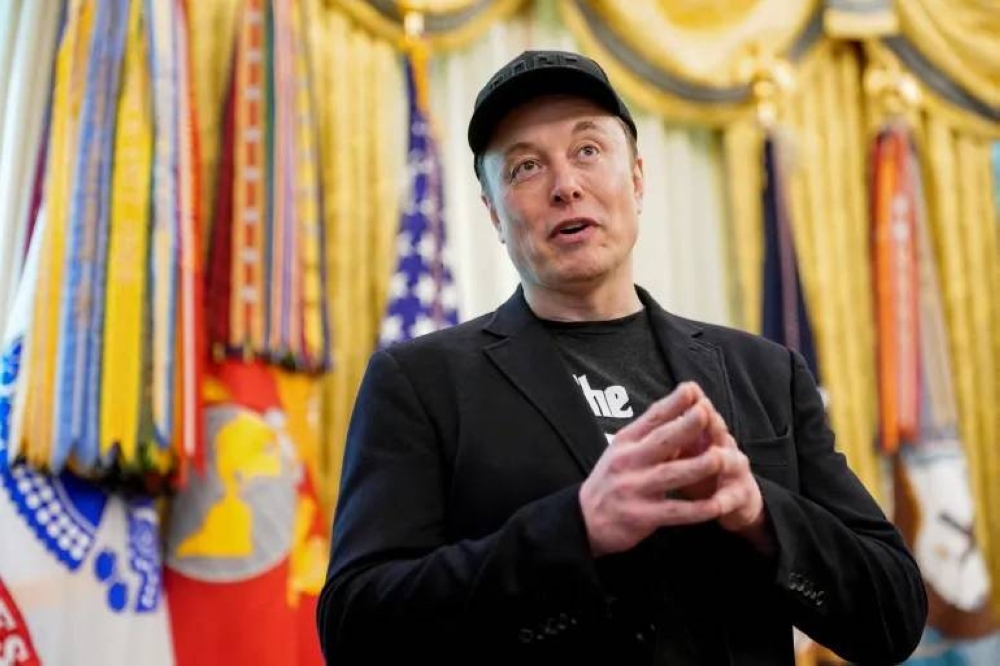
إيلون ماسك


تابع قناة عكاظ على الواتساب
«عكاظ» (واشنطن)okaz_online@
The "America Party," founded by billionaire Elon Musk, faces numerous enormous challenges that could hinder its political ambitions, according to the American newspaper "The Washington Post." The existing American electoral system, based on the principle of "winner takes all," poses a major obstacle for third parties.
The newspaper confirms that Musk is facing significant challenges in his quest to establish an influential political party in the United States, including the current electoral system, the historical challenges of third parties, his personal nature, and the need to build a cohesive and supportive base, which suggests that the path for the new party will not be easy.
According to political history professor at Georgetown University Hans Noel, the United States lacks the institutions that enable small parties to achieve significant success, as winning requires a decisive victory, unlike other democracies that allow minor parties to gain seats based on vote percentages.
He pointed out that Musk's party will have to comply with strict requirements to appear on ballots in various states, especially if it aims to support federal candidates or present a presidential candidate. These requirements, in Noel's view, typically include residency rules and signatures from voters on petitions.
Meanwhile, Duke University professor Mac McCorkle described these standards as "arduous," noting that they have hindered many third-party candidates in the past, including prominent candidates in the 2024 elections.
According to the newspaper, political parties outside the two major parties in the United States have achieved only limited success at the national level, with the last time a presidential candidate from outside the two parties won electoral votes being in 1968.
Even strong candidates like billionaire Ross Perot, who garnered 19% of the popular vote in 1992, did not win any electoral votes due to the Electoral College system. Experts believe that third-party candidates can be "spoilers and disruptors" affecting election outcomes without winning them.
They say that Musk's party candidates could siphon votes from Republican candidates, especially in midterm elections, which could benefit the Democrats.
The American newspaper's report noted that Musk plans to target the upcoming midterm elections with a strategy he described as "a highly concentrated force in a specific location on the battlefield."
Political observers have indicated that Musk's opposition to government spending, which led him to establish the party, may not be sufficient to form a long-term party strategy, and that his companies' acquisition of massive government contracts could undermine his purported liberal message against government spending, according to the analysis.
Musk claims that his party will target 80% of the "center," but Noel argues that this sector does not necessarily have enough cohesion to form a strong political party, as voters in the "center" may have concerns about the existing parties, but they do not constitute a homogeneous electoral base with clear and specific political goals.
After distancing himself from the Trump administration and his strained relationship with Republicans in Congress, Musk's influence within the Republican Party seems to be diminishing. Even Trump allies are announcing the establishment of political action committees to counter Musk's efforts.
Despite Musk's immense wealth, Noel asserts that strong parties build their strength through networks of loyal voters who not only provide money but actively participate in campaigns and support the party even after early losses. This kind of loyalty cannot be bought with money alone.
Perhaps one of the biggest challenges Musk will face is his personal nature.
Experts have questioned whether the temperamental billionaire, known for setting ambitious goals and leading teams toward quick achievements, will tolerate the slow and routine processes necessary for registering candidates on ballots and accepting expected losses in electoral races.
McCorkle pointed out that "Musk may not have the patience required for this endeavor." Additionally, selecting candidates will be a significant challenge, as Musk will likely be inundated with aspiring individuals seeking his funding, which could lead to awkward situations if he has to include a large number of unqualified candidates.
The newspaper confirms that Musk is facing significant challenges in his quest to establish an influential political party in the United States, including the current electoral system, the historical challenges of third parties, his personal nature, and the need to build a cohesive and supportive base, which suggests that the path for the new party will not be easy.
According to political history professor at Georgetown University Hans Noel, the United States lacks the institutions that enable small parties to achieve significant success, as winning requires a decisive victory, unlike other democracies that allow minor parties to gain seats based on vote percentages.
He pointed out that Musk's party will have to comply with strict requirements to appear on ballots in various states, especially if it aims to support federal candidates or present a presidential candidate. These requirements, in Noel's view, typically include residency rules and signatures from voters on petitions.
Meanwhile, Duke University professor Mac McCorkle described these standards as "arduous," noting that they have hindered many third-party candidates in the past, including prominent candidates in the 2024 elections.
According to the newspaper, political parties outside the two major parties in the United States have achieved only limited success at the national level, with the last time a presidential candidate from outside the two parties won electoral votes being in 1968.
Even strong candidates like billionaire Ross Perot, who garnered 19% of the popular vote in 1992, did not win any electoral votes due to the Electoral College system. Experts believe that third-party candidates can be "spoilers and disruptors" affecting election outcomes without winning them.
They say that Musk's party candidates could siphon votes from Republican candidates, especially in midterm elections, which could benefit the Democrats.
The American newspaper's report noted that Musk plans to target the upcoming midterm elections with a strategy he described as "a highly concentrated force in a specific location on the battlefield."
Political observers have indicated that Musk's opposition to government spending, which led him to establish the party, may not be sufficient to form a long-term party strategy, and that his companies' acquisition of massive government contracts could undermine his purported liberal message against government spending, according to the analysis.
Musk claims that his party will target 80% of the "center," but Noel argues that this sector does not necessarily have enough cohesion to form a strong political party, as voters in the "center" may have concerns about the existing parties, but they do not constitute a homogeneous electoral base with clear and specific political goals.
After distancing himself from the Trump administration and his strained relationship with Republicans in Congress, Musk's influence within the Republican Party seems to be diminishing. Even Trump allies are announcing the establishment of political action committees to counter Musk's efforts.
Despite Musk's immense wealth, Noel asserts that strong parties build their strength through networks of loyal voters who not only provide money but actively participate in campaigns and support the party even after early losses. This kind of loyalty cannot be bought with money alone.
Perhaps one of the biggest challenges Musk will face is his personal nature.
Experts have questioned whether the temperamental billionaire, known for setting ambitious goals and leading teams toward quick achievements, will tolerate the slow and routine processes necessary for registering candidates on ballots and accepting expected losses in electoral races.
McCorkle pointed out that "Musk may not have the patience required for this endeavor." Additionally, selecting candidates will be a significant challenge, as Musk will likely be inundated with aspiring individuals seeking his funding, which could lead to awkward situations if he has to include a large number of unqualified candidates.