


يدخل الأمر التنفيذي الذي وقّعه الرئيس الأمريكي برفع العقوبات عن سورية، حيّز التنفيذ، اليوم (الثلاثاء)، ويلغي إعلان حالة الطوارئ الوطنية بشأن سورية الذي صدر عام 2004، وفقاً لموقع «المونيتور». ويُلغي الأمر الذي وقع، أمس الإثنين، خمسة أوامر تنفيذية أخرى كانت تشكّل الأساس لبرنامج العقوبات. ويُوجّه الوكالات الأمريكية المختصة لاتخاذ إجراءات بخصوص الإعفاءات، وضوابط التصدير، والقيود الأخرى المتعلقة بسورية.
وأعلن البيت الأبيض أن العقوبات ستُرفع اعتباراً من الأول من يوليو، على أن تبقى القيود قائمة بحق كل من ثبت تورطه في انتهاكات حقوق الإنسان، أو التورط بتهريب المخدرات، أو الأنشطة الكيميائية، أو الانتماء لتنظيم «داعش»، أو الارتباط بالوكلاء الإيرانيين. وقالت المتحدثة باسم البيت الأبيض كارولاين ليفيت، إن هذا القرار يأتي ضمن جهود الرئيس ترمب لتعزيز مسار السلام في سورية، مشيرة إلى التزام الإدارة الأمريكية بتمكين سورية من أن تكون «دولة موحدة وآمنة داخلياً ومع جيرانها». ويوجه القرار التنفيذي وزير الخارجية ماركو روبيو، بمراجعة تصنيف سورية «دولة راعية للإرهاب»، وهو تصنيف مستمر منذ عام 1979.
من جانبه، رحب وزير الخارجية السوري أسعد الشيباني، بالخطوة الأمريكية، واصفاً إياها بأنها «تفتح أبواب إعادة الإعمار والتنمية التي طال انتظارها». وأكد أن القرار يزيل أحد أكبر العوائق أمام تعافي البلاد بعد الإطاحة بنظام الأسد.
ووقع الرئيس ترمب، الإثنين، أمراً تنفيذيّاً ينهي الإطار القانوني للعقوبات الأمريكية المفروضة على سورية، التي كانت تهدف في الأصل إلى معاقبة نظام بشار الأسد، لكنها أصبحت لاحقاً عائقاً أمام تعافي البلاد بعد الحرب.
ووصف المبعوث الأمريكي الخاص إلى سورية توماس باراك، الأمر التنفيذي بأنه «فرصة شاملة لإعادة تشغيل الاقتصاد السوري»، مشددًا على أن الرئيس ووزير الخارجية لا يسعيان لبناء دولة، بل يمنحان فرصة.
بالمقابل، ستبقى العقوبات المفروضة على الرئيس السابق بشار الأسد والمقرّبين منه والأشخاص المتورطين في انتهاكات حقوق الإنسان أو الإرهاب أو انتشار الأسلحة أو تهريب الكبتاغون، سارية.
ولا يُلغي القرار تصنيف سورية «دولة راعية للإرهاب»، الذي فُرض عام 1979، والذي يشمل قيوداً على المساعدات الأمريكية ومنع تصدير الأسلحة. وأفاد مسؤول بالإدارة الأمريكية أن هذا التصنيف لا يزال قيد المراجعة.
كما لا يزال قانون «قيصر لحماية المدنيين السوريين» ساري المفعول، وهو القانون الذي فرض عقوبات مالية واسعة النطاق لعزل نظام الأسد. إلا أن إدارة ترمب منحت الشهر الماضي إعفاءً لمدة ستة أشهر من قانون قيصر، ورخصة عامة تسمح بإجراء معاملات كانت محظورة سابقاً، بما في ذلك التعامل مع البنك المركزي السوري ومؤسسات حكومية أخرى.
وقدّم أعضاء من الحزبين الجمهوري والديمقراطي مشروع قانون لإلغاء قانون قيصر، ومن المرجح إدراج إلغائه ضمن تعديل على قانون تفويض الدفاع الوطني الأمريكي في نهاية العام.
الشيباني : فتح أبواب إعادة الإعمار والتنمية
رفع العقوبات الأمريكية عن سورية يدخل حيز التنفيذ
1 يوليو 2025 - 13:07
|
آخر تحديث 1 يوليو 2025 - 13:07
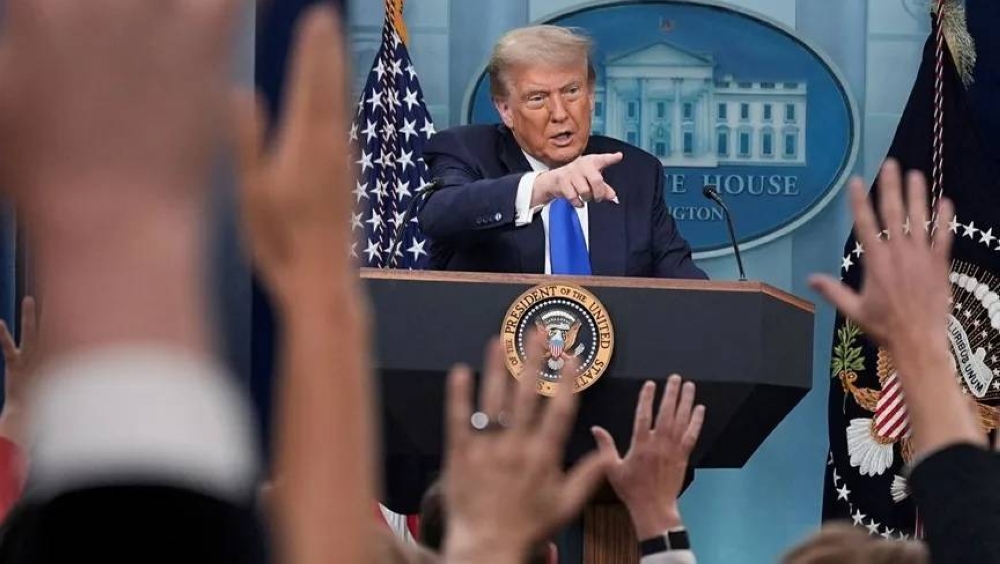
الرئيس الأمريكي


تابع قناة عكاظ على الواتساب
«عكاظ» (واشنطن)okaz_online@
The executive order signed by the U.S. president to lift sanctions on Syria goes into effect today (Tuesday) and cancels the national emergency declaration regarding Syria that was issued in 2004, according to the "Monitor" website. The order, signed yesterday (Monday), revokes five other executive orders that formed the basis for the sanctions program. It directs relevant U.S. agencies to take action regarding exemptions, export controls, and other restrictions related to Syria.
The White House announced that the sanctions will be lifted starting July 1, while restrictions will remain in place against anyone proven to be involved in human rights violations, drug trafficking, chemical activities, affiliation with ISIS, or connections to Iranian proxies. White House spokesperson Caroline Levitt stated that this decision is part of President Trump's efforts to promote a peace process in Syria, emphasizing the U.S. administration's commitment to enabling Syria to become a "unified and secure state both internally and with its neighbors." The executive order directs Secretary of State Marco Rubio to review Syria's designation as a "state sponsor of terrorism," a designation that has been in place since 1979.
For his part, Syrian Foreign Minister Asaad Al-Shibani welcomed the U.S. step, describing it as "opening the doors to long-awaited reconstruction and development." He confirmed that the decision removes one of the largest obstacles to the country's recovery after the overthrow of the Assad regime.
President Trump signed an executive order on Monday that ends the legal framework for the U.S. sanctions imposed on Syria, which were originally intended to punish Bashar al-Assad's regime but later became an obstacle to the country's recovery after the war.
U.S. Special Envoy to Syria Thomas Barak described the executive order as "a comprehensive opportunity to reactivate the Syrian economy," stressing that the president and the secretary of state are not seeking to build a state but rather to provide an opportunity.
In contrast, the sanctions imposed on former President Bashar al-Assad, his close associates, and individuals involved in human rights violations, terrorism, arms proliferation, or Captagon trafficking will remain in effect.
The decision does not revoke Syria's designation as a "state sponsor of terrorism," which was imposed in 1979 and includes restrictions on U.S. aid and a ban on arms exports. A U.S. administration official stated that this designation is still under review.
The "Caesar Act for the Protection of Syrian Civilians" also remains in effect, which imposed extensive financial sanctions to isolate the Assad regime. However, the Trump administration granted a six-month exemption from the Caesar Act last month, along with a general license allowing transactions that were previously prohibited, including dealings with the Central Bank of Syria and other government institutions.
Members from both the Republican and Democratic parties have introduced a bill to repeal the Caesar Act, and it is likely that its repeal will be included in an amendment to the U.S. National Defense Authorization Act at the end of the year.
The White House announced that the sanctions will be lifted starting July 1, while restrictions will remain in place against anyone proven to be involved in human rights violations, drug trafficking, chemical activities, affiliation with ISIS, or connections to Iranian proxies. White House spokesperson Caroline Levitt stated that this decision is part of President Trump's efforts to promote a peace process in Syria, emphasizing the U.S. administration's commitment to enabling Syria to become a "unified and secure state both internally and with its neighbors." The executive order directs Secretary of State Marco Rubio to review Syria's designation as a "state sponsor of terrorism," a designation that has been in place since 1979.
For his part, Syrian Foreign Minister Asaad Al-Shibani welcomed the U.S. step, describing it as "opening the doors to long-awaited reconstruction and development." He confirmed that the decision removes one of the largest obstacles to the country's recovery after the overthrow of the Assad regime.
President Trump signed an executive order on Monday that ends the legal framework for the U.S. sanctions imposed on Syria, which were originally intended to punish Bashar al-Assad's regime but later became an obstacle to the country's recovery after the war.
U.S. Special Envoy to Syria Thomas Barak described the executive order as "a comprehensive opportunity to reactivate the Syrian economy," stressing that the president and the secretary of state are not seeking to build a state but rather to provide an opportunity.
In contrast, the sanctions imposed on former President Bashar al-Assad, his close associates, and individuals involved in human rights violations, terrorism, arms proliferation, or Captagon trafficking will remain in effect.
The decision does not revoke Syria's designation as a "state sponsor of terrorism," which was imposed in 1979 and includes restrictions on U.S. aid and a ban on arms exports. A U.S. administration official stated that this designation is still under review.
The "Caesar Act for the Protection of Syrian Civilians" also remains in effect, which imposed extensive financial sanctions to isolate the Assad regime. However, the Trump administration granted a six-month exemption from the Caesar Act last month, along with a general license allowing transactions that were previously prohibited, including dealings with the Central Bank of Syria and other government institutions.
Members from both the Republican and Democratic parties have introduced a bill to repeal the Caesar Act, and it is likely that its repeal will be included in an amendment to the U.S. National Defense Authorization Act at the end of the year.


