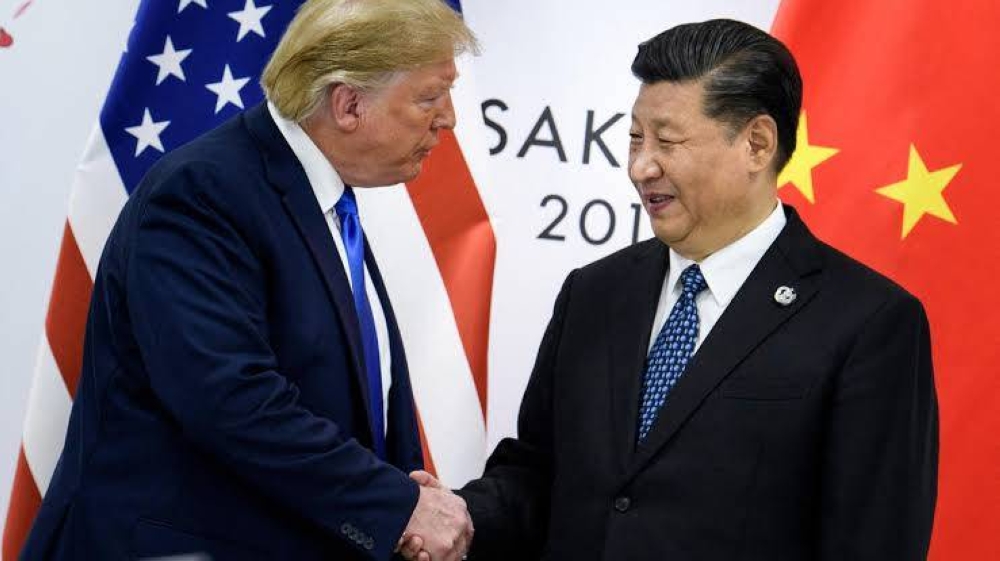
أعلن مسؤول في البيت الأبيض - بحسب صحيفة «الغارديان»، أن الولايات المتحدة توصلت إلى اتفاق مع الصين لتسريع شحنات المعادن النادرة إلى الأراضي الأمريكية، في خطوة تهدف إلى تخفيف حدة التوترات التجارية بين أكبر اقتصادين في العالم.
وكان الرئيس الأمريكي دونالد ترمب قد أشار يوم (الخميس) إلى توقيع اتفاق مع الصين في اليوم السابق، دون الكشف عن تفاصيل إضافية، مضيفاً أن هناك اتفاقاً محتملاً مع الهند قد يُبرم قريباً لتعزيز التجارة.
وخلال محادثات تجارية بين الولايات المتحدة والصين في مايو بجنيف، تعهّدت بكين بإزالة الإجراءات غير الجمركية المفروضة على الولايات المتحدة منذ 2 أبريل، لكن كيفية التراجع عن بعض هذه الإجراءات لم تكن واضحة.
وكجزء من ردها على الرسوم الجمركية الأمريكية الجديدة، علّقت الصين تصدير مجموعة واسعة من المعادن الحيوية والمغناطيسات، ما تسبب في اضطرابات كبيرة في سلاسل التوريد لصناعات السيارات، الفضاء، أشباه الموصلات، والمقاولين العسكريين حول العالم.
وأوضح مسؤول في البيت الأبيض أن الاتفاق الجديد يتضمن تفاهماً إضافياً حول إطار تنفيذ اتفاق جنيف، يركز على تسريع شحنات المعادن النادرة إلى الولايات المتحدة.
وأكد مسؤول آخر أن الاتفاق تم التوصل إليه في وقت سابق هذا الأسبوع.
ونقلت وكالة «بلومبرغ» عن وزير التجارة الأمريكي هوارد لوتنيك قوله: «سوف يزودوننا بالمعادن النادرة، وعندما يفعلون ذلك، سنرفع إجراءاتنا المضادة».
فيما لم ترد السفارة الصينية في واشنطن على الفور على طلب للتعليق.
ووفقاً لمصدر في الصناعة، تتخذ الصين قيودها على المعادن النادرة ذات الاستخدامات المزدوجة على محمل الجد، حيث تقوم بفحص المشترين للتأكد من عدم تحويل المواد للاستخدامات العسكرية الأمريكية، ما أدى إلى إبطاء عملية الترخيص.
وكان اتفاق جنيف قد تعثر بسبب قيود الصين على تصدير المعادن الحيوية، ما دفع إدارة ترمب إلى فرض قيود تصدير على برمجيات تصميم أشباه الموصلات والطائرات وغيرها من السلع إلى الصين.
وفي يونيو، أفادت وكالة رويترز أن الصين منحت تراخيص تصدير مؤقتة لموردي المعادن النادرة لثلاث من كبريات شركات صناعة السيارات الأمريكية، وفقاً لمصدرين مطلعين، مع بدء ظهور اضطرابات في سلاسل التوريد بسبب القيود على هذه المواد.
وفي وقت لاحق من الشهر، أشار ترمب إلى اتفاق مع الصين يتضمن تزويد بكين بالمغناطيسات والمعادن النادرة مقابل السماح للطلاب الصينيين بالدراسة في الجامعات الأمريكية.
A White House official announced - according to the "Guardian" newspaper - that the United States has reached an agreement with China to expedite shipments of rare earth metals to American soil, in a move aimed at easing trade tensions between the world's two largest economies.
U.S. President Donald Trump indicated on (Thursday) that an agreement was signed with China the day before, without disclosing additional details, adding that there is a potential agreement with India that may be concluded soon to enhance trade.
During trade talks between the United States and China in May in Geneva, Beijing pledged to remove non-tariff measures imposed on the U.S. since April 2, but how to roll back some of these measures was not clear.
As part of its response to new U.S. tariffs, China suspended the export of a wide range of critical metals and magnets, causing significant disruptions in supply chains for the automotive, aerospace, semiconductor, and military contracting industries worldwide.
A White House official clarified that the new agreement includes an additional understanding regarding the implementation framework of the Geneva agreement, focusing on expediting shipments of rare earth metals to the United States.
Another official confirmed that the agreement was reached earlier this week.
Bloomberg reported U.S. Commerce Secretary Howard Lutnick as saying: "They will supply us with rare earth metals, and when they do, we will lift our countermeasures."
The Chinese embassy in Washington did not immediately respond to a request for comment.
According to an industry source, China takes its restrictions on dual-use rare earth metals seriously, as it screens buyers to ensure that materials are not diverted for U.S. military use, which has slowed the licensing process.
The Geneva agreement had stalled due to China's restrictions on exporting critical metals, prompting the Trump administration to impose export restrictions on semiconductor design software, aircraft, and other goods to China.
In June, Reuters reported that China granted temporary export licenses to rare earth metal suppliers for three of the largest American automotive manufacturers, according to two informed sources, as disruptions in supply chains began to emerge due to restrictions on these materials.
Later that month, Trump indicated an agreement with China that involves supplying Beijing with magnets and rare earth metals in exchange for allowing Chinese students to study at American universities.