


أعلن مساعد الرئيس الروسي فلاديمير بوتين للشؤون الخارجية يوري أوشاكوف، اليوم (الأربعاء)، أن الولايات المتحدة وإيران تختلفان بشأن حجم الأضرار التي ألحقتها الضربات الجوية الأمريكية بالمنشآت النووية الإيرانية، موضحاً أن موسكو ترحب بوقف إطلاق النار بين إيران وإسرائيل وتأمل أن يستمر.
وقال أوشاكوف في تصريحات للصحافيين: «الجهة التي نفذت الضربات تعتقد أن أضراراً جسيمة وقعت، والجهة التي تلقت هذه الضربات تعتقد أن كل شيء كان معداً مسبقاً، وأن هذه المنشآت لم تتضرر بشدة».
من جهته، قال وزير الخارجية الروسي سيرجي لافروف إن الولايات المتحدة وإسرائيل وإيران تطلق «إشارات إيجابية»، مشدداً على أن الجميع سيشعر بالارتياح إذا أفضت هذه الإشارات إلى تسوية.
وأضاف، في تصريحات صحافية، أن أطراف الصراع حول إيران بدأت تدرك ضرورة العودة إلى الدبلوماسية، مشيراً إلى أن موسكو على اتصال مع واشنطن وتل أبيب بشأن الوضع.
وذكر أن روسيا قدمت مقترحات لضمان ليس فقط خفض التصعيد، بل أيضاً التوصل إلى تسوية موثوقة وطويلة الأمد بشأن إيران، مشيراً إلى أن تصعيد الوضع حول إيران محفوف بتقويض الأمن الإقليمي والعالمي.
في الوقت ذاته، قال الرئيس الفرنسي إيمانويل ماكرون للصحافيين إن باريس تجري تحليلها الخاص للأضرار التي لحقت بالمنشآت النووية الإيرانية بعد الضربات الأمريكية والإسرائيلية.
وكان الرئيس الأمريكي دونالد ترمب ذكر، في وقت سابق، أن الأضرار الناجمة عن الضربات جسيمة و«حدث تدمير»، لكنه قال أيضاً إن معلومات المخابرات الأمريكية ليست حاسمة.
بالمقابل: قال رئيس مجلس الشورى الإيراني (البرلمان) محمد باقر قاليباف إن البرنامج النووي السلمي لإيران «سيتقدم بوتيرة أسرع»، حسبما نقلت وكالة أنباء «فارس» الإيرانية للأنباء.
وأضاف قاليباف، خلال اجتماع البرلمان، «لن ننخدع بأي وعود، وسنكون أكثر استعداداً من ذي قبل للرد بقوة وحزم على أي عدوان».
من جهة أخرى، قال المتحدث باسم الكرملين دميتري بيسكوف إن قرار طهران قطع تعاونها مع الوكالة الدولية للطاقة الذرية أمر مفهوم، مضيفاً: «لا شك أن نية إيران تعليق تعاونها مع الوكالة الدولية للطاقة الذرية تثير القلق، وموسكو تراقب الوضع عن كثب». واعتبر أن سمعة الوكالة الدولية للطاقة الذرية «تضررت بشكل خطير».
الدول الغربية تقيِّم حجم الأضرار بالمنشآت النووية الإيرانية
25 يونيو 2025 - 18:18
|
آخر تحديث 25 يونيو 2025 - 18:18
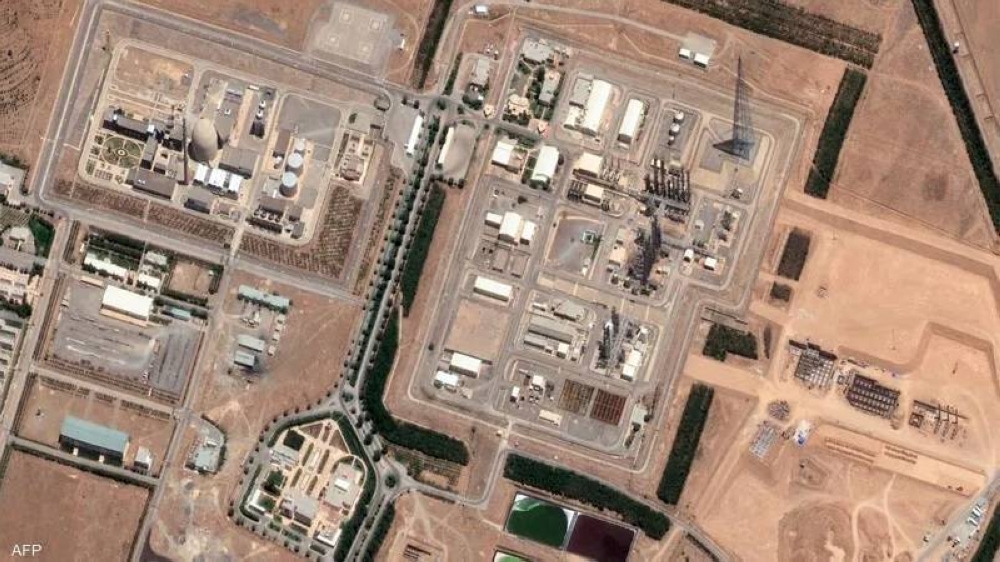
المنشآت النووية


تابع قناة عكاظ على الواتساب
«عكاظ» (جدة) Okaz_online@
The Russian President Vladimir Putin's assistant for foreign affairs, Yuri Ushakov, announced today (Wednesday) that the United States and Iran disagree on the extent of the damage caused by American airstrikes on Iranian nuclear facilities, explaining that Moscow welcomes the ceasefire between Iran and Israel and hopes it will continue.
Ushakov stated in remarks to reporters: "The party that carried out the strikes believes that significant damage occurred, while the party that received these strikes believes that everything was pre-planned and that these facilities were not severely damaged."
For his part, Russian Foreign Minister Sergei Lavrov said that the United States, Israel, and Iran are sending "positive signals," emphasizing that everyone would feel relieved if these signals lead to a settlement.
He added, in press statements, that the parties involved in the conflict over Iran have begun to realize the necessity of returning to diplomacy, noting that Moscow is in contact with Washington and Tel Aviv regarding the situation.
He mentioned that Russia has proposed measures to ensure not only de-escalation but also to reach a reliable and long-term settlement regarding Iran, pointing out that escalating the situation around Iran is fraught with undermining regional and global security.
At the same time, French President Emmanuel Macron told reporters that Paris is conducting its own analysis of the damage inflicted on Iranian nuclear facilities following the American and Israeli strikes.
Earlier, U.S. President Donald Trump mentioned that the damage from the strikes is severe and that "destruction occurred," but he also stated that U.S. intelligence information is not conclusive.
In contrast, the Speaker of the Iranian Shura Council (parliament) Mohammad Baqer Qalibaf stated that Iran's peaceful nuclear program "will advance at a faster pace," according to the Iranian news agency "Fars."
Qalibaf added during a parliamentary meeting, "We will not be deceived by any promises, and we will be more prepared than ever to respond forcefully and decisively to any aggression."
On another note, Kremlin spokesman Dmitry Peskov stated that Tehran's decision to cut cooperation with the International Atomic Energy Agency is understandable, adding: "There is no doubt that Iran's intention to suspend cooperation with the IAEA raises concerns, and Moscow is closely monitoring the situation." He considered that the reputation of the IAEA has "seriously deteriorated."
Ushakov stated in remarks to reporters: "The party that carried out the strikes believes that significant damage occurred, while the party that received these strikes believes that everything was pre-planned and that these facilities were not severely damaged."
For his part, Russian Foreign Minister Sergei Lavrov said that the United States, Israel, and Iran are sending "positive signals," emphasizing that everyone would feel relieved if these signals lead to a settlement.
He added, in press statements, that the parties involved in the conflict over Iran have begun to realize the necessity of returning to diplomacy, noting that Moscow is in contact with Washington and Tel Aviv regarding the situation.
He mentioned that Russia has proposed measures to ensure not only de-escalation but also to reach a reliable and long-term settlement regarding Iran, pointing out that escalating the situation around Iran is fraught with undermining regional and global security.
At the same time, French President Emmanuel Macron told reporters that Paris is conducting its own analysis of the damage inflicted on Iranian nuclear facilities following the American and Israeli strikes.
Earlier, U.S. President Donald Trump mentioned that the damage from the strikes is severe and that "destruction occurred," but he also stated that U.S. intelligence information is not conclusive.
In contrast, the Speaker of the Iranian Shura Council (parliament) Mohammad Baqer Qalibaf stated that Iran's peaceful nuclear program "will advance at a faster pace," according to the Iranian news agency "Fars."
Qalibaf added during a parliamentary meeting, "We will not be deceived by any promises, and we will be more prepared than ever to respond forcefully and decisively to any aggression."
On another note, Kremlin spokesman Dmitry Peskov stated that Tehran's decision to cut cooperation with the International Atomic Energy Agency is understandable, adding: "There is no doubt that Iran's intention to suspend cooperation with the IAEA raises concerns, and Moscow is closely monitoring the situation." He considered that the reputation of the IAEA has "seriously deteriorated."


