


مع بدء موسم القبول في الجامعات المحلية والعالمية والعربية، يجد خريجو المرحلة الثانوية أنفسهم أمام قرار مصيري لا يتعلق فقط باختيار التخصص، بل برسم ملامح مستقبلهم الوظيفي خلال العقد القادم. فالسوق لم يعد كما كان، والوظائف التقليدية تنحسر، بينما تتسارع موجات التحول الرقمي والاقتصاد الأخضر، في ظل رؤية السعودية 2030.تشير تقارير المنتدى الاقتصادي العالمي (Future of Jobs Report 2025) صادر من المنتدى الاقتصادي العالمي في 7 يناير 2025م، مستنداً إلى بيانات أكثر من 1000 جهة توظيف تمثل أكثر من 14 مليون عامل عبر 55 اقتصاداً والذي تزامنت مع الاجتماع السنوي للمنتدى في دافوس، سويسرا، والذي عُقد خلال الفترة 20- 24 يناير 2025م، تحت شعار (التعاون لعصر ذكي)، إلى أن العالم بصدد خلق أكثر من 170 مليون وظيفة جديدة بحلول 2030، معظمها في قطاعات التقنية، الطاقة النظيفة، الصحة، والأمن السيبراني. في المقابل، سيختفي أكثر من 90 مليون وظيفة تقليدية. وفي هذا السياق، تبرز مجموعة من التخصصات التي تمثل «تأشيرة عبور» إلى مستقبل العمل، خاصة لمن سيلتحق بالجامعة هذا العام ويتخرج عام 2029م. أبرز تخصصات المستقبل عالمياً: الذكاء الاصطناعي وتعلم الآلة، علوم وتحليل البيانات الضخمة، الهندسة الكهربائية والروبوتات، الأمن السيبراني، تكنولوجيا الطاقة المتجددة، تصميم واجهات المستخدم (UX/UI)، تقنيات الواقع المعزز والافتراضي (AR/VR، التمريض والتقنيات الصحية الرقمية، الاقتصاد الأخضر والاستدامة البيئية في تخصصات المستقبل في المنطقة العربية ورؤية السعودية 2030 وفقاً لأولويات الرؤية السعودية واستراتيجيات الدول العربية، فإن التخصصات التالية تُعد محورية لمواكبة التحولات الاقتصادية: هندسة الطاقة المتجددة، إدارة المدن الذكية والتخطيط الحضري سلاسل الإمداد واللوجستيات الذكية، الأمن الغذائي والتقنيات الزراعية، البرمجة والأنظمة الذكي، التمويل والاستثمار المستدام، الاقتصاد الرقمي والتجارة الإلكترونية، الذكاء الاصطناعي في التعليم والصحة.
وقال الدكتور وليد الغصاب، أستاذ المالية لـ«عكاظ»: على هذا التحول، اليوم، لا تكفي الشهادة، بل المطلوب عقل رقمي، ومهارات تحليل، ومرونة معرفية قادرة على مواكبة الاقتصاد المتغيّر. «فالطالب الذي يختار تخصصه اليوم لا يبني وظيفة، بل يبني استثماراً طويل المدى في ذاته، وقدرته على البقاء في سوق تنافسي».
وتُظهر بيانات من منصات مثل Coursera وLinkedIn أن الطلب على مهارات الذكاء الاصطناعي وتحليل البيانات ارتفع بأكثر من 150٪ خلال العامين الماضيين، وأن تخصصات الأمن السيبراني والطاقة المتجددة تُسجل أعلى معدلات توظيف للخريجين في العالم.
الذكاء الاصطناعي وتحليل البيانات والروبوتات علوم المستقبل
90 مليون وظيفة في طريقها للاختفاء.. و170 مليون فرصة تنتظر الكفاءات الرقمية
22 يونيو 2025 - 01:39
|
آخر تحديث 22 يونيو 2025 - 01:39
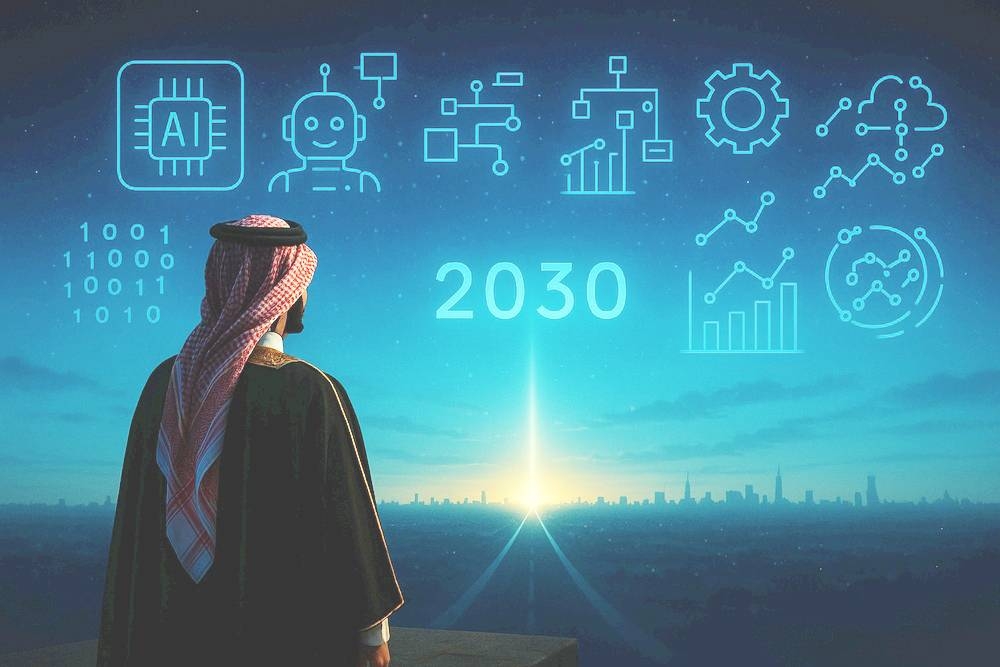
الوظائف التقليدية انحسرت وتسارعت موجات التحول الرقمي. (متداولة)


تابع قناة عكاظ على الواتساب
متعب العواد (حائل) Motabalawwd@
As the admission season for local, global, and Arab universities begins, high school graduates find themselves faced with a crucial decision that not only involves choosing a major but also shaping the contours of their professional future over the next decade. The job market is no longer what it used to be, traditional jobs are declining, while waves of digital transformation and the green economy are accelerating, under Saudi Vision 2030. Reports from the World Economic Forum (Future of Jobs Report 2025), issued by the World Economic Forum on January 7, 2025, based on data from over 1,000 hiring organizations representing more than 14 million workers across 55 economies, coincided with the annual meeting of the forum in Davos, Switzerland, held from January 20-24, 2025, under the theme "Cooperation for a Smart Era." The report indicates that the world is set to create over 170 million new jobs by 2030, most of which will be in the sectors of technology, clean energy, health, and cybersecurity. In contrast, more than 90 million traditional jobs will disappear. In this context, a number of specializations emerge that represent a "visa to the future of work," especially for those who will enroll in university this year and graduate in 2029. The most prominent future specializations globally include: artificial intelligence and machine learning, big data science and analysis, electrical engineering and robotics, cybersecurity, renewable energy technology, user interface (UX/UI) design, augmented and virtual reality (AR/VR), nursing and digital health technologies, green economy and environmental sustainability.
In the context of future specializations in the Arab region and Saudi Vision 2030, according to the priorities of the Saudi vision and the strategies of Arab countries, the following specializations are considered pivotal to keep pace with economic transformations: renewable energy engineering, smart city management and urban planning, smart supply chains and logistics, food security and agricultural technologies, programming and intelligent systems, sustainable finance and investment, digital economy and e-commerce, and artificial intelligence in education and health.
Dr. Walid Al-Ghasab, a finance professor, told "Okaz": "In this transformation, today, a degree is not enough; what is required is a digital mindset, analytical skills, and cognitive flexibility capable of keeping pace with the changing economy. The student who chooses their major today is not building a job; they are building a long-term investment in themselves and their ability to survive in a competitive market."
Data from platforms like Coursera and LinkedIn show that the demand for skills in artificial intelligence and data analysis has increased by more than 150% over the past two years, and that specializations in cybersecurity and renewable energy are recording the highest employment rates for graduates worldwide.
Dr. Walid Al-Ghasab, a finance professor, told "Okaz": "In this transformation, today, a degree is not enough; what is required is a digital mindset, analytical skills, and cognitive flexibility capable of keeping pace with the changing economy. The student who chooses their major today is not building a job; they are building a long-term investment in themselves and their ability to survive in a competitive market."
Data from platforms like Coursera and LinkedIn show that the demand for skills in artificial intelligence and data analysis has increased by more than 150% over the past two years, and that specializations in cybersecurity and renewable energy are recording the highest employment rates for graduates worldwide.


