فيما دخلت الحرب بين إسرائيل وإيران أسبوعها الثاني، تصر إسرائيل على المضي في المواجهة حتى تحقيق كامل الأهداف، في وقت أعلنت إيران أن لديها ما يكفي من العتاد لمواصلة القتال طويلاً.
وشهدت الساعات الماضية تبادلاً للهجمات بين البلدين، وشنت إسرائيل هجمات عدة على أصفهان جنوب البلاد، وسمع دوي أكثر من 10 انفجارات.
وحسب مصادر إيرانية فإن سلاح الجو الإسرائيلي استهدف موقع أصفهان النووي، إلا أنه لا يوجد تسرب لمواد خطيرة، وفق ما نقلت وكالة فارس للأنباء.
واستهدفت الضربات الإسرائيلية أحد المباني في مدينة قم على بعد نحو 157 كيلومتراً جنوب غرب طهران، وأدت إلى اغتيال شخصين وإصابة 4، حسب ما أفاد موقع «انتخاب» الحكومي. وأعلن مسؤول إيراني اعتقال 22 شخصاً في قم بتهمة التجسس لصالح إسرائيل.
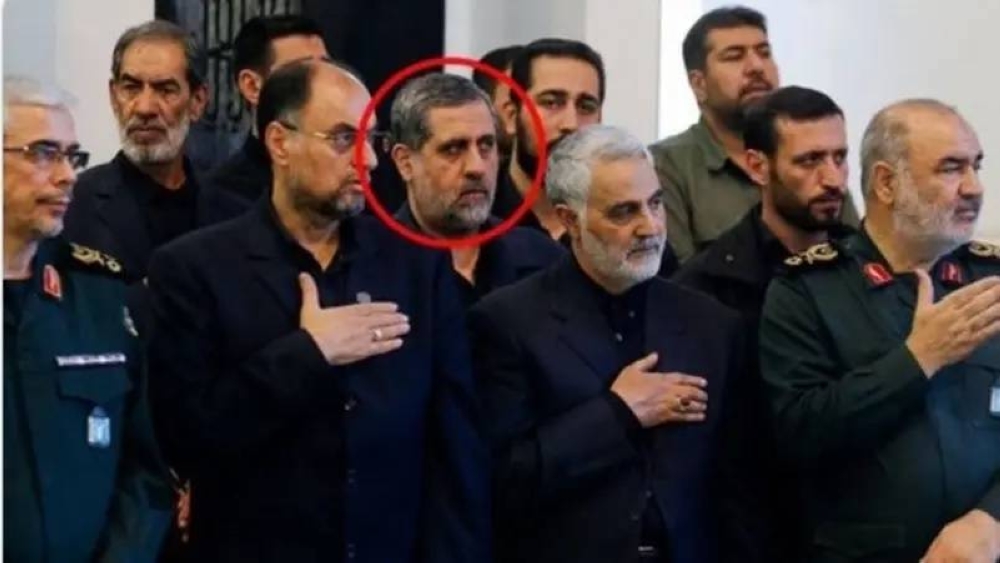
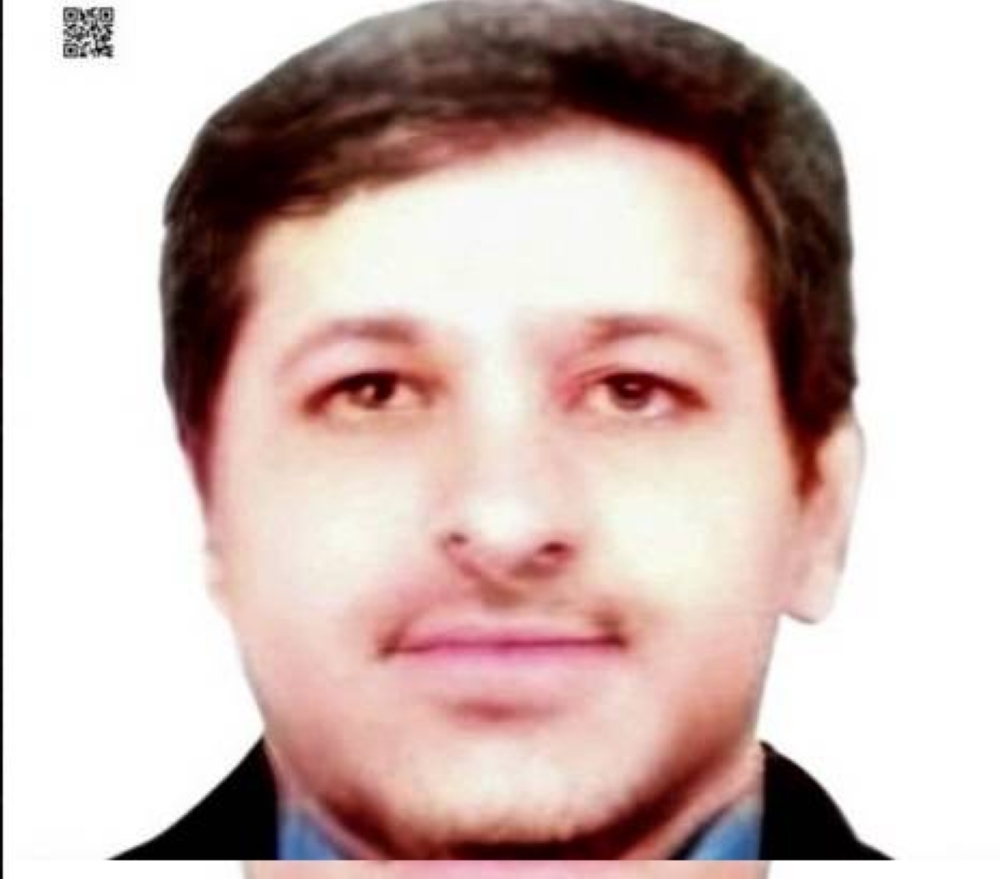
من جانبه، أعلن وزير الدفاع الإسرائيلي يسرائيل كاتس في بيان اغتيال قائد فيلق فلسطين التابع لفيلق القدس في الحرس الثوري في قم سعيد إيزادي، وأمين فور جودخي قائد الوحدة الثانية للمسيرات في الحرس الثوري، مضيفاً أن القيادي كان مسؤولاً عن تنسيق مئات عمليات إطلاق الطائرات المسيرة باتجاه إسرائيل من منطقة الأهواز جنوب غرب إيران.
وأوضح أنه بعد اغتيال طهار فور، قائد مقر الطائرات المسيّرة في 13 يونيو، تولى جودخي دوراً مركزياً في نشاطات الحرس الثوري.
وأعلن الجيش الإسرائيلي اغتيال قيادي ثالث في الحرس الثوري، وهو بهنام شهرياري قائد وحدة نقل الوسائط القتالية (الوحدة 190) التابعة لفيلق القدس.
فيما تحدث الحرس الثوري عن مقتل 5 من عناصره في خرم آباد.
المبنى المستهدف في قم. (صورة متداولة على منصات إيرانية)
وكان الحرس الثوري أعلن في بيان سابق، اليوم (السبت)، أنه أطلق الموجة الـ18 من الصواريخ نحو تل أبيب ومطار بن غوريون، وضد أهداف عسكرية ومراكز دعم عملياتية للجيش الإسرائيلي.
وأكد أنه استخدم «عدداً كبيراً من طائرات شاهد 136 المسيرة الانتحارية والقتالية، وصواريخ دقيقة تعمل بالوقود الصلب والسائل». وزعم أن أنظمة الدفاع الجوي لم تتمكن من اعتراض تلك المسيرات التي حلقت بحرية فوق المناطق الإسرائيلية. وشدد على أن العمليات الصاروخية ستستمر بشكل متواصل.
وشنت إسرائيل في 13 يونيو بشكل مباغت هجمات على مناطق عدة في إيران، مستهدفة منصات إطلاق صواريخ ومواقع عسكرية، فضلاً عن منشآت نووية.
واغتالت نحو 30 قائداً عسكرياً كبيراً، وفق ما أكد مسؤول إسرائيلي قبل يومين، على رأسهم رئيس الأركان اللواء محمد باقري، وحسين سلامي قائد الحرس الثوري الإيراني منذ 2019، فضلاً عن غلام علي رشيد قائد مقر «خاتم الأنبياء» العسكري، وأمير علي حاجي زاده قائد القوات الجوفضائية التابعة للحرس الثوري، إضافة إلى العميد طاهر بور قائد وحدة الطائرات المسيّرة في سلاح الجو التابع للحرس الثوري، والعميد داود شيخيان قائد القيادة الجوية لسلاح الجو التابع للحرس الثوري، واللواء مهدي رباني نائب رئيس هيئة الأركان العامة للعمليات في الجيش الإيراني، الذي قُتل مع زوجته وأولاده.
واغتالت إسرائيل نحو 14 عالماً نووياً عبر غارات دقيقة على منازلهم أو تفجير سيارات مفخخة في طهران. وردت إيران عبر إطلاق مئات الطائرات المسيرة والصواريخ الباليستية نحو إسرائيل. وأعلنت وزارة الصحة الإيرانية مقتل 430 شخصاً وإصابة أكثر من 3500 منذ بدء الحرب.
As the war between Israel and Iran enters its second week, Israel insists on continuing the confrontation until all objectives are achieved, while Iran has announced that it has enough ammunition to continue fighting for a long time.
In the past hours, there has been an exchange of attacks between the two countries, with Israel launching several strikes on Isfahan in the south of the country, and the sound of more than 10 explosions was heard.
According to Iranian sources, the Israeli Air Force targeted the Isfahan nuclear site, but there has been no leakage of hazardous materials, according to what was reported by the Fars News Agency.
The Israeli strikes targeted a building in Qom, located about 157 kilometers southwest of Tehran, resulting in the assassination of two individuals and injuries to four others, according to the government website "Entekhab." An Iranian official announced the arrest of 22 people in Qom on charges of espionage for Israel.
For his part, Israeli Defense Minister Yoav Gallant announced in a statement the assassination of the commander of the Palestine Brigade affiliated with the Quds Force of the Revolutionary Guard in Qom, Saeed Izadi, and Amin Forouj Ghodsi, the commander of the second drone unit in the Revolutionary Guard, adding that the leader was responsible for coordinating hundreds of drone launches towards Israel from the Ahvaz region in southwestern Iran.
He explained that after the assassination of Tahar For, the commander of the drone base on June 13, Ghodsi took on a central role in the activities of the Revolutionary Guard.
The Israeli army announced the assassination of a third leader in the Revolutionary Guard, Behnam Shahriari, commander of the Combat Media Transport Unit (Unit 190) affiliated with the Quds Force.
Meanwhile, the Revolutionary Guard reported the death of 5 of its members in Khorramabad.
المبنى المستهدف في قم. (صورة متداولة على منصات إيرانية)
The Revolutionary Guard had previously announced in a statement today (Saturday) that it launched the 18th wave of missiles towards Tel Aviv and Ben Gurion Airport, targeting military objectives and operational support centers for the Israeli army.
It confirmed that it used "a large number of Shahed 136 suicide and combat drones, and precision missiles powered by solid and liquid fuel." It claimed that air defense systems were unable to intercept those drones that flew freely over Israeli territories. It emphasized that missile operations would continue uninterrupted.
On June 13, Israel launched surprise attacks on several areas in Iran, targeting missile launch platforms and military sites, as well as nuclear facilities.
It assassinated about 30 high-ranking military leaders, according to an Israeli official two days ago, including Chief of Staff Major General Mohammad Bagheri, and Hossein Salami, commander of the Iranian Revolutionary Guard since 2019, as well as Gholam Ali Rashid, commander of the "Khatam al-Anbiya" military headquarters, and Amir Ali Hajizadeh, commander of the Aerospace Forces of the Revolutionary Guard, in addition to Brigadier General Taher Pour, commander of the drone unit in the air force of the Revolutionary Guard, Brigadier General Davood Sheikhan, commander of the air command of the air force of the Revolutionary Guard, and Major General Mehdi Rabani, deputy chief of the General Staff for Operations in the Iranian army, who was killed along with his wife and children.
Israel has assassinated about 14 nuclear scientists through precise airstrikes on their homes or by detonating explosive vehicles in Tehran. Iran responded by launching hundreds of drones and ballistic missiles towards Israel. The Iranian Ministry of Health announced the death of 430 people and injuries to more than 3,500 since the start of the war.