


توقعت صحيفة «وول ستريت جورنال» أن تحد التكلفة المليونية اليومية لإسرائيل من قدرتها على خوض حرب طويلة ضد إيران. ونقلت عن خبراء أن أكبر تكلفة منفردة تتكبدها إسرائيل تتمثل في الصواريخ اللازمة لاعتراض الصواريخ القادمة من طهران، التي تقدر تكلفتها وحدها ما بين عشرات الملايين إلى 200 مليون دولار يومياً.
وأضافت أن استخدام الذخائر والطائرات يرفع من كلفة الحرب، فضلاً عن الأضرار غير المسبوقة التي لحقت بالمباني. وتشير بعض التقديرات، التي استندت إليها الصحيفة، إلى أن إعادة البناء وإصلاح الأضرار قد يكلف إسرائيل 400 مليون دولار على الأقل.
ورجح مسؤولون إسرائيليون أن يستمر الهجوم مدة أسبوعين، إذ لم يظهر رئيس الوزراء الإسرائيلي بنيامين نتنياهو أي إشارة تدل على رغبته في التوقف قبل أن تحقق حملته العسكرية جميع أهدافها التي تشمل القضاء على البرنامج النووي وإنتاج الصواريخ الباليستية، وفق الصحيفة الأمريكية.
ويؤكد مراقبون أن العامل الرئيسي الذي سيحدد تكلفة الحرب الحقيقية هو مدتها.
وتبلغ تكلفة نظام الدفاع الصاروخي المعروف باسم «مقلاع داود» -الذي طورته إسرائيل والولايات المتحدة معاً لإسقاط الطائرات الحربية والصواريخ قصيرة إلى طويلة المدى والطائرات المسيرة- نحو 700 ألف دولار في كل مرة، على افتراض أنه يستخدم صاروخين اعتراضيين، وهو الحد الأدنى عادة، حسب تصريح الباحث في معهد دراسات الأمن القومي ومقره تل أبيب يهوشوا كاليسكي.
وتشمل النفقات العسكرية الأخرى تكلفة الإبقاء على عشرات الطائرات الحربية -مثل مقاتلات «إف-35»- في الجو لساعات في كل مرة على مسافة تبعد نحو 1600 كيلومتر عن الأراضي الإسرائيلية.
وحسب كاليسكي، فإن ساعة طيران واحدة لكل طائرة على حدة تكلف نحو 10 آلاف دولار، مع الأخذ في الحسبان تكلفة إعادة تزويد الطائرات بالوقود والذخائر، مثل قنابل الهجوم المباشر المشترك (جيه دي إيه إم) والقنابل الثقيلة من طراز (إم كيه 84).
ويؤكد محللون إسرائيليون أن حرباً ضد إيران تستمر شهراً واحداً ستبلغ تكلفتها نحو 12 مليار دولار. لكن خبراء اقتصاد لا يتوقعون حدوث ركود اقتصادي في إسرائيل في هذه المرحلة.
وتؤكد الصحيفة أن قطاعات كبيرة من الاقتصاد الإسرائيلي توقفت في الآونة الأخيرة نتيجة الضربات الإيرانية، واستُدعي العاملون في الصناعات الأساسية فقط للعمل، بينما أُغلقت عديد من الشركات مثل المطاعم.
كم تبلغ تكلفة حرب إسرائيل على إيران ؟
20 يونيو 2025 - 17:28
|
آخر تحديث 20 يونيو 2025 - 17:28
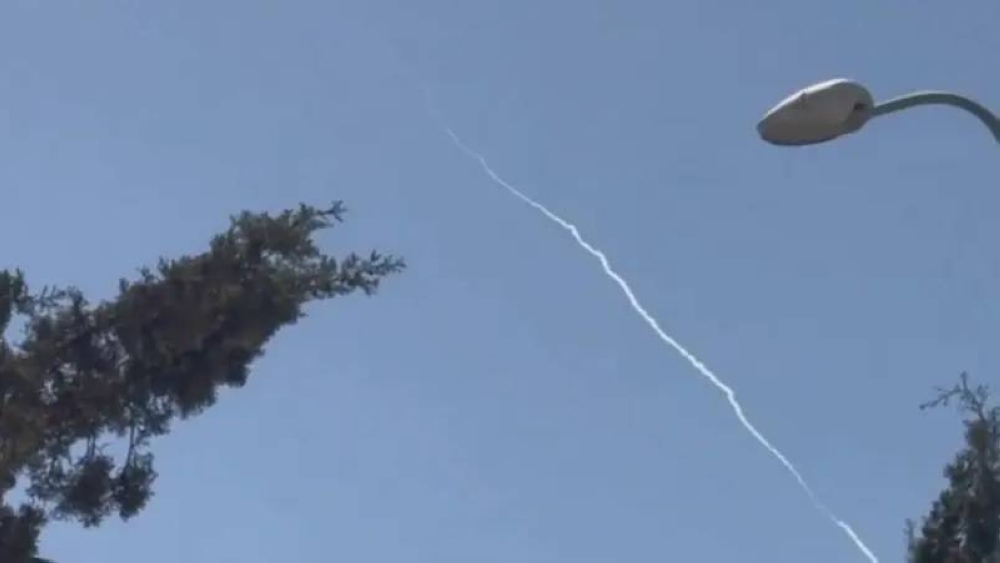
اعتراض صواريخ إيرانية في إسرائيل


تابع قناة عكاظ على الواتساب
«عكاظ» (جدة) okaz_online@
The "Wall Street Journal" predicted that Israel's daily million-dollar costs would limit its ability to engage in a prolonged war against Iran. It quoted experts stating that the largest single cost incurred by Israel is the missiles needed to intercept incoming rockets from Tehran, which alone are estimated to cost between tens of millions to 200 million dollars daily.
It added that the use of munitions and aircraft increases the cost of the war, in addition to the unprecedented damage inflicted on buildings. Some estimates referenced by the newspaper suggest that rebuilding and repairing the damages could cost Israel at least 400 million dollars.
Israeli officials have indicated that the attack may last for two weeks, as Israeli Prime Minister Benjamin Netanyahu has shown no signs of wanting to stop before achieving all of his military campaign's objectives, which include eliminating the nuclear program and the production of ballistic missiles, according to the American newspaper.
Observers confirm that the main factor determining the true cost of the war will be its duration.
The cost of the missile defense system known as "David's Sling"—developed jointly by Israel and the United States to intercept warplanes, short- to long-range missiles, and drones—is about 700,000 dollars each time, assuming it uses two interceptors, which is usually the minimum, according to a statement by researcher Yehoshua Kalisky from the Tel Aviv-based Institute for National Security Studies.
Other military expenses include the cost of keeping dozens of warplanes—such as the "F-35" fighters—in the air for hours at a time, approximately 1,600 kilometers away from Israeli territory.
According to Kalisky, one hour of flight for each individual aircraft costs about 10,000 dollars, taking into account the cost of refueling the planes and munitions, such as Joint Direct Attack Munitions (JDAM) and heavy bombs like the MK 84.
Israeli analysts assert that a month-long war against Iran would cost around 12 billion dollars. However, economists do not expect an economic recession in Israel at this stage.
The newspaper confirms that large sectors of the Israeli economy have recently halted due to Iranian strikes, with workers in essential industries being called back to work, while many businesses, such as restaurants, have closed.
It added that the use of munitions and aircraft increases the cost of the war, in addition to the unprecedented damage inflicted on buildings. Some estimates referenced by the newspaper suggest that rebuilding and repairing the damages could cost Israel at least 400 million dollars.
Israeli officials have indicated that the attack may last for two weeks, as Israeli Prime Minister Benjamin Netanyahu has shown no signs of wanting to stop before achieving all of his military campaign's objectives, which include eliminating the nuclear program and the production of ballistic missiles, according to the American newspaper.
Observers confirm that the main factor determining the true cost of the war will be its duration.
The cost of the missile defense system known as "David's Sling"—developed jointly by Israel and the United States to intercept warplanes, short- to long-range missiles, and drones—is about 700,000 dollars each time, assuming it uses two interceptors, which is usually the minimum, according to a statement by researcher Yehoshua Kalisky from the Tel Aviv-based Institute for National Security Studies.
Other military expenses include the cost of keeping dozens of warplanes—such as the "F-35" fighters—in the air for hours at a time, approximately 1,600 kilometers away from Israeli territory.
According to Kalisky, one hour of flight for each individual aircraft costs about 10,000 dollars, taking into account the cost of refueling the planes and munitions, such as Joint Direct Attack Munitions (JDAM) and heavy bombs like the MK 84.
Israeli analysts assert that a month-long war against Iran would cost around 12 billion dollars. However, economists do not expect an economic recession in Israel at this stage.
The newspaper confirms that large sectors of the Israeli economy have recently halted due to Iranian strikes, with workers in essential industries being called back to work, while many businesses, such as restaurants, have closed.


