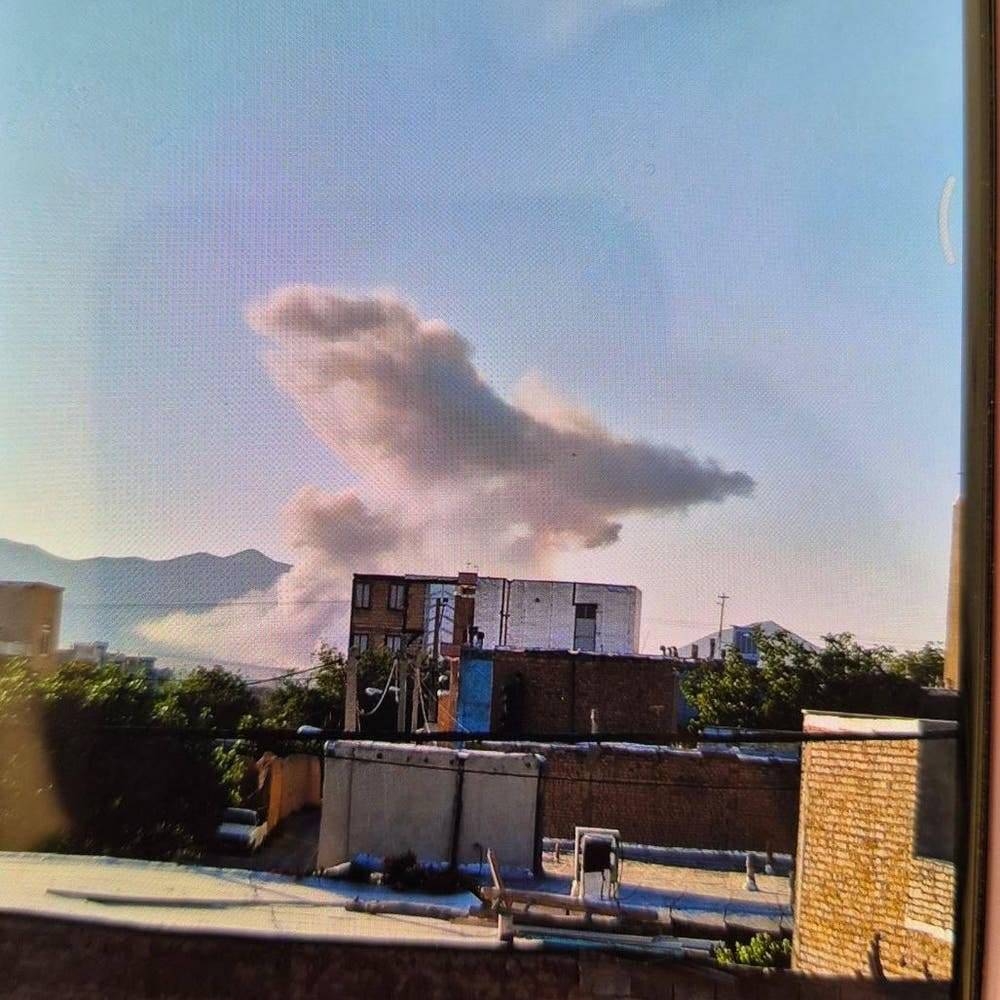
أصدرت الوكالة الدولية للطاقة الذرية بياناً رسمياً اليوم (الخميس)، رداً على إعلان منظمة الطاقة الذرية الإيرانية أن إسرائيل استهدفت مفاعل الأبحاث ومجمع الماء الثقيل في خنداب بمحافظة مركزي، (المعروف أيضاً باسم مفاعل آراك)، مؤكدة أن المفاعل، الذي كان لا يزال قيد الإنشاء، لم يكن جاهزاً للتشغيل ولم يحتوِ على أي مواد نووية.
وأشارت الوكالة الدولية للطاقة الذرية إلى أنها كانت على علم بالهجوم الجوي الذي نفذته إسرائيل فجر اليوم، والذي وصفته إيران بـ«انتهاك جديد للقانون الدولي».
وأوضحت الوكالة الدولية أن مفاعل خنداب، المصمم لأغراض بحثية باستخدام تكنولوجيا الماء الثقيل، لم يصل إلى مرحلة التشغيل الفعلي، وبالتالي لم يكن هناك خطر فوري من تسرب إشعاعي أو أضرار بيئية.
وأكد المدير العام للوكالة رافائيل ماريانو غروسي أن «المنشآت النووية يجب ألا تُستهدف تحت أي ظرف، لما قد يترتب على ذلك من عواقب وخيمة على الأمن النووي والبيئة»، كما دعت الوكالة إلى عقد اجتماع طارئ لمجلس محافظيها الإثنين القادم لمناقشة تداعيات الهجوم والوضع الأمني في المنشآت النووية الإيرانية.
من جانبها، أكدت منظمة الطاقة الذرية الإيرانية أن الهجوم لم يسفر عن خسائر بشرية، مشيرة إلى أن التدابير الوقائية التي اتخذتها مسبقاً قللت من الأضرار المادية، مضيفة أنها أبلغت الوكالة الدولية مسبقاً بالتهديدات الإسرائيلية المتكررة ضد منشآتها النووية، لكنها انتقدت الوكالة لعدم اتخاذها إجراءات عملية لمنع مثل هذه الهجمات.
ويُعد مفاعل خنداب (آراك) جزءاً من البرنامج النووي الإيراني، وهو مصمم لإنتاج البلوتونيوم باستخدام تكنولوجيا الماء الثقيل، ما أثار مخاوف دولية بشأن إمكانية استخدامه لأغراض عسكرية.
وكان المفاعل قد خضع لتعديلات بموجب الاتفاق النووي لعام 2015 (خطة العمل الشاملة المشتركة)، حيث وافقت إيران على إعادة تصميمه لتقليل إنتاج البلوتونيوم، لكنه ظل تحت المراقبة الدقيقة من قبل الوكالة الدولية للطاقة الذرية.
وتأتي هذه الحادثة في سياق تصعيد عسكري متزايد بين إيران وإسرائيل بعد أن نفذت إسرائيل الجمعة الماضية هجوماً واسعاً أطلقت عليه اسم «الأسد الصاعد»، استهدف عدة منشآت نووية إيرانية، بما في ذلك نطنز وأصفهان، إلى جانب خنداب، وأقرت إيران بمقتل قادة عسكريين وعلماء نوويين بارزين.
The International Atomic Energy Agency (IAEA) issued an official statement today (Thursday) in response to the announcement by the Iranian Atomic Energy Organization that Israel targeted the research reactor and heavy water complex in Khondab, Markazi Province (also known as the Arak reactor), confirming that the reactor, which was still under construction, was not ready for operation and did not contain any nuclear materials.
The IAEA noted that it was aware of the airstrike carried out by Israel early today, which Iran described as "a new violation of international law."
The agency clarified that the Khondab reactor, designed for research purposes using heavy water technology, had not reached the stage of actual operation, and thus there was no immediate risk of radioactive leakage or environmental damage.
IAEA Director General Rafael Mariano Grossi emphasized that "nuclear facilities should not be targeted under any circumstances, as this could have severe consequences for nuclear security and the environment." The agency also called for an emergency meeting of its Board of Governors next Monday to discuss the implications of the attack and the security situation at Iranian nuclear facilities.
For its part, the Iranian Atomic Energy Organization confirmed that the attack did not result in any human casualties, noting that the precautionary measures it had taken in advance minimized material damage. It added that it had previously informed the IAEA about the repeated Israeli threats against its nuclear facilities but criticized the agency for not taking practical steps to prevent such attacks.
The Khondab reactor (Arak) is part of Iran's nuclear program and is designed to produce plutonium using heavy water technology, raising international concerns about its potential military use.
The reactor had undergone modifications under the 2015 nuclear agreement (Joint Comprehensive Plan of Action), where Iran agreed to redesign it to reduce plutonium production, but it remained under close monitoring by the IAEA.
This incident comes amid escalating military tensions between Iran and Israel after Israel carried out a wide-ranging attack last Friday, dubbed "Rising Lion," targeting several Iranian nuclear facilities, including Natanz and Isfahan, in addition to Khondab. Iran acknowledged the deaths of prominent military leaders and nuclear scientists.