


لم يعلم المهندس السوري محمد علي الذي صمم مبنى البرلمان السوري عام 1929 أن هذا البناء سيكون على مدى عقود من الزمن مقراً يستحوذ عليه الديكتاتور ويستخدم من خلاله اسم الشعب في الشكل لا في المضمون.
مجلس الشعب السوري.. على الرغم من عراقة البناء المتموضع في قلب دمشق وسط حي الصالحية، وتاريخ هذا البناء العميق في الذاكرة السياسية السورية، إلا أن البناء ذا الشكل الفرنسي، لا يستوقف المارة على الإطلاق ولا يشكل أدنى انتماء للشعب السوري، ذلك أن هذا المقر كان دائماً مصدر الإحباط والفشل للشعب.. هذه هي الصورة الواقعية على مدى عقود في وجدان معظم السوريين.
في كل دول العالم ثمة تقاليد تاريخية للبرلمانات، إلا في سورية، فإن هذا المجلس يلقب بعدة ألقاب «مجلس المهرجين–مجلس الفاسدين–مجلس الكاذبين»، ومسميات أخرى لا تنتهي في الثقافة السورية الساخرة، إلا أن هذه المصطلحات في طريقها إلى الزوال بعد أن شكل الرئيس أحمد الشرع لجنة الـ11 للإشراف على تشكيل وانتخاب ممثلي الشعب بعد أن حُرموا هذا الحق الطبيعي على مدى عقود من الزمن.
لقد انتهى هذا الجزء من التاريخ السوري الأسود بعد الثامن من ديسمبر مع هروب الأسد، وتولي الشرع المرحلة الرئاسية الانتقالية في 20 فبراير الماضي، ليعيد الشعب السوري اعتباره لنفسه أولاً وتاريخه وعراقته ثانياً.
كل شيء تغير في سورية، الإرادات، القناعات، الثقافة السياسية، وتطلعات السوريين أيضاً، ومع ذلك لا تزال سورية تحتاج إلى ترسيخ الذهنية الجديدة وخلق حالة سياسية ودستورية وقانونية جديدة، فالطريق لا يزال طويلاً ووعراً لإعادة ثقة الشعب المسلوبة على مدى عقود، ثقة الشعب بمؤسساته وثقة الشعب بوزرائه، وهذا ما تعمل عليه الإدارة الجديدة عبر كل المؤسسات الجديدة.
من الواضح أن الرئيس الشرع ينتقل من دائرة إلى أخرى لإعادة هيكلة الدولة السورية بخطوات متأنية ومدروسة، ففي بداية أبريل الماضي، أنهى الشرع اللمسات الأخيرة على تشكيل حكومة جديدة قوبلت باهتمام واسع من السوريين، ومع رفع العقوبات الأمريكية في 14 مايو الماضي بدأت الحكومة أعمالها لإعادة ترميم بنية الدولة المتهالكة.
اليوم بعد أن تشكل مسار الحكومة السورية وباتت على سكة العمل والإنجاز، انتقل الشرع إلى الدائرة الثانية ذات الأهمية التاريخية في الذاكرة السياسية السورية وهي مجلس الشعب، لكن هذه المرة وفق متطلبات المرحلة الجديدة، إذ أصدر الرئيس السوري مرسوماً بتشكيل لجنة من 11 شخصاً تعمل على دراسة المعايير من أجل ولادة مجلس شعب حقيقي يمثل أكبر قدر من تطلعات الشعب السوري، على عكس كل المجالس السابقة في حقبة النظام التي كانت تمر عبر الأجهزة الأمنية بالدرجة الأولى وعبر الجبهة الوطنية التقدمية التي تحجز مقاعدها مسبقاً دون مشاورة الشعب السوري.
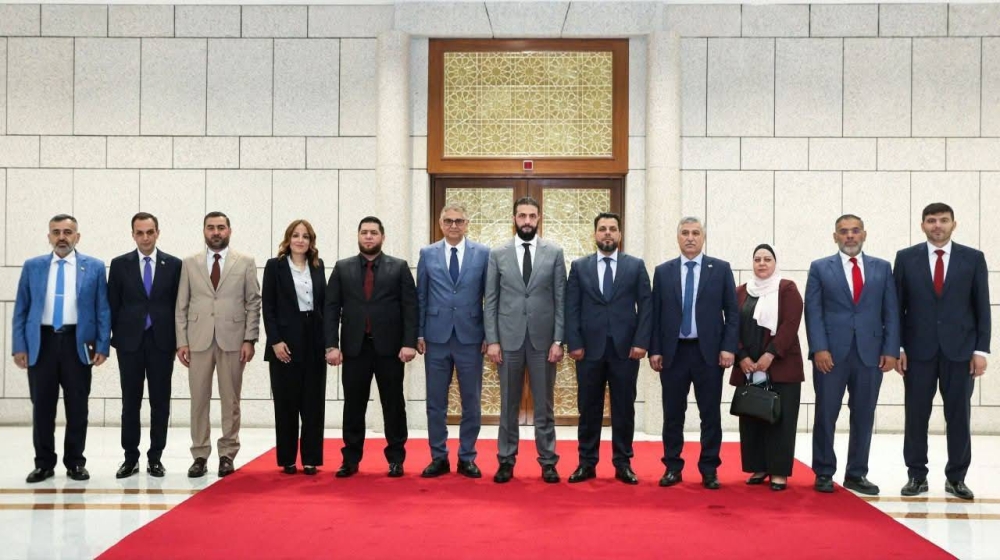
هذه المرة الأولى التي تتشكل لجنة خاصة من أجل مجلس الشعب، ولعل خارطة الأسماء المكلفة بهذه المهمة وعلى رأسها محمد طه الأحمد الذي يعتبر من الشخصيات الموثوقة والحصيفة في وضع المعايير، فضلاً عن الدكتور بدر جاموس، وأنس العبدة، وحسن الدغيم، ياسر كحالة وأسماء أخرى، كلها تشير إلى مرحلة معتبرة من تاريخ سورية المؤسساتي والسياسي.
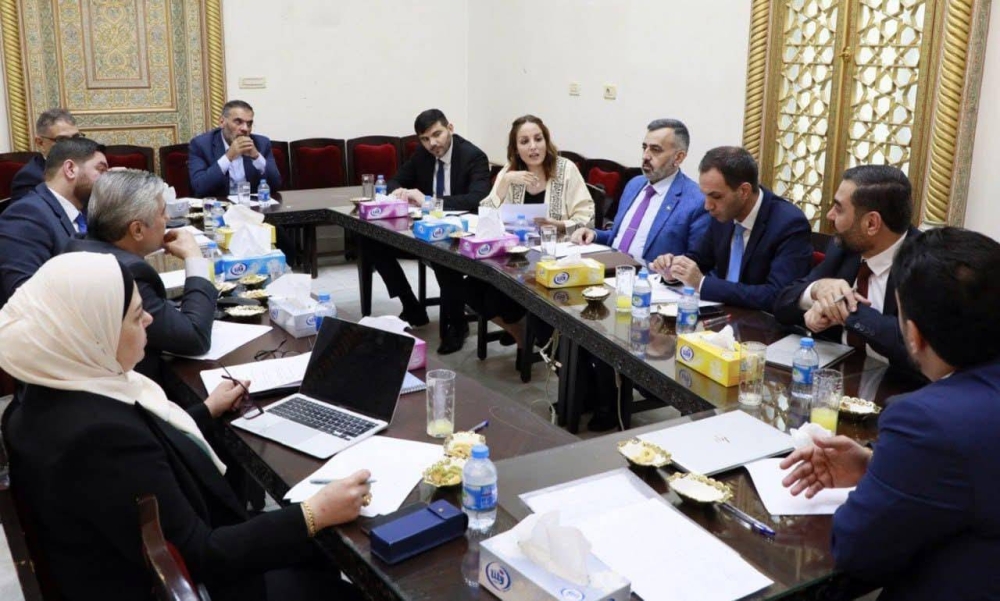
وبعيداً عن الشو الإعلامي والترندات، عكفت هذه اللجنة منذ اليوم التالي من لقاء الشرع على دراسة آلية الترشح إلى المجلس دون أن تمارس على هذه اللجنة أية ضغوطات أو إملاءات، ولعل هذه المرة الأولى التي يكون فيها ممثلو الشعب من دون وصاية أمنية أو مقاعد مسبقة الصنع.
من شهرين إلى ثلاثة أشهر، سيكون عمل اللجنة العليا للانتخابات جاهزاً لنقلة نوعية جديدة على المستوى البرلماني السوري، تتخللها أيضاً جولة ميدانية من أعضاء اللجنة للمحافظات لمناقشة العملية الانتخابية مع الجهات الرسمية والفعاليات الأهلية، بعد ذلك ستكون سورية على موعد مع شكل جديد من أشكال المؤسسة التشريعية التي طالما كانت غائبة على مدى ستة عقود.
ثمة تطلعات سورية كبيرة بعد تشكيل هذه اللجنة، خصوصاً أنها ليست «من لون واحد» وقادرة على صياغة معايير حقيقية تفتح المجال للمرة الأولى أمام كل مكونات وفئات الشعب السوري للمشاركة في صياغة مجلس على مستوى المرحلة التي تمر بها البلاد.
مع العهد الجديد لسورية، والانتقال التاريخي من حقبة إلى أخرى، هناك من يتطلع إلى هذا البناء التاريخي أن يكون أكثر قرباً من الوجدان السوري الشعبي، وأن يحظى هذا المكان بالاحترام أسوة ببرلمانات العالم، وهو ما يضع أمام اللجنة المشكلة مسؤوليات كبرى في أن تعطي هذا الشعب المسلوب بعضاً من تطلعاته في المشاركة السياسية وبناء سورية الجديدة.
من «مسبق الصنع» إلى تحقيق تطلعات الشعب
الطريق إلى البرلمان السوري.. من دون وصاية
18 يونيو 2025 - 17:24
|
آخر تحديث 18 يونيو 2025 - 17:24


تابع قناة عكاظ على الواتساب
عبدالله الغضوي (دمشق) GhadawiAbdullah@
The Syrian engineer Muhammad Ali, who designed the Syrian Parliament building in 1929, did not know that this structure would, for decades, become a stronghold for the dictator, using the name of the people in form rather than substance.
The Syrian People's Assembly... Despite the historical significance of the building located in the heart of Damascus in the Salhiya neighborhood, and its deep-rooted history in Syrian political memory, the building with its French architecture does not attract passersby at all and does not represent the slightest affiliation to the Syrian people. This headquarters has always been a source of frustration and failure for the people. This is the realistic image that has persisted for decades in the consciousness of most Syrians.
In every country around the world, there are historical traditions for parliaments, except in Syria, where this council is referred to by several titles such as "Council of Clowns – Council of Corrupt – Council of Liars," among other endless names in the sarcastic Syrian culture. However, these terms are on their way to extinction after President Ahmad al-Shara formed the 11-member committee to oversee the formation and election of representatives of the people, after they had been deprived of this natural right for decades.
This part of Syrian history ended after December 8 with the escape of Assad, and al-Shara assuming the transitional presidential phase on February 20, allowing the Syrian people to reclaim their dignity first and their history and heritage second.
Everything has changed in Syria: the wills, convictions, political culture, and the aspirations of the Syrians as well. Nevertheless, Syria still needs to solidify the new mentality and create a new political, constitutional, and legal state. The road remains long and arduous to restore the trust of the people that has been stripped away for decades, trust in their institutions and trust in their ministers. This is what the new administration is working on through all the new institutions.
It is clear that President al-Shara is moving from one circle to another to restructure the Syrian state with careful and studied steps. In early April, al-Shara completed the final touches on forming a new government that received wide attention from the Syrians. With the lifting of American sanctions on May 14, the government began its work to restore the crumbling state structure.
Today, after the Syrian government's path has been established and it is on the track of work and achievement, al-Shara has moved to the second circle of historical importance in Syrian political memory, which is the People's Assembly. But this time according to the requirements of the new phase, as the Syrian president issued a decree to form a committee of 11 people to study the criteria for the birth of a real People's Assembly that represents the greatest aspirations of the Syrian people, unlike all previous councils during the regime's era that primarily passed through security agencies and the National Progressive Front, which reserved its seats in advance without consulting the Syrian people.
This is the first time a special committee has been formed for the People's Assembly, and perhaps the list of names assigned to this task, headed by Muhammad Taha Ahmad, who is considered one of the trusted and prudent figures in setting the criteria, along with Dr. Badr Jamous, Anas al-Abda, Hassan al-Dughaim, Yasser Kahal, and other names, all indicate a significant phase in Syria's institutional and political history.
Away from media hype and trends, this committee has been working since the day after the meeting with al-Shara to study the mechanism for candidacy to the assembly without any pressures or impositions being exercised on this committee. Perhaps this is the first time that the representatives of the people are without security guardianship or pre-made seats.
In two to three months, the work of the Supreme Election Committee will be ready for a new qualitative leap at the level of the Syrian parliament, which will also include a field tour by committee members to the provinces to discuss the electoral process with official bodies and civil society actors. After that, Syria will be on the verge of a new form of the legislative institution that has been absent for six decades.
There are great Syrian aspirations following the formation of this committee, especially since it is not "one-color" and is capable of formulating real criteria that open the door for the first time for all components and segments of the Syrian people to participate in shaping a council that matches the stage the country is going through.
With the new era for Syria and the historical transition from one era to another, there are those who hope that this historical building will be closer to the popular Syrian sentiment, and that this place will gain respect similar to parliaments around the world, which places significant responsibilities on the formed committee to give this deprived people some of their aspirations for political participation and building a new Syria.
The Syrian People's Assembly... Despite the historical significance of the building located in the heart of Damascus in the Salhiya neighborhood, and its deep-rooted history in Syrian political memory, the building with its French architecture does not attract passersby at all and does not represent the slightest affiliation to the Syrian people. This headquarters has always been a source of frustration and failure for the people. This is the realistic image that has persisted for decades in the consciousness of most Syrians.
In every country around the world, there are historical traditions for parliaments, except in Syria, where this council is referred to by several titles such as "Council of Clowns – Council of Corrupt – Council of Liars," among other endless names in the sarcastic Syrian culture. However, these terms are on their way to extinction after President Ahmad al-Shara formed the 11-member committee to oversee the formation and election of representatives of the people, after they had been deprived of this natural right for decades.
This part of Syrian history ended after December 8 with the escape of Assad, and al-Shara assuming the transitional presidential phase on February 20, allowing the Syrian people to reclaim their dignity first and their history and heritage second.
Everything has changed in Syria: the wills, convictions, political culture, and the aspirations of the Syrians as well. Nevertheless, Syria still needs to solidify the new mentality and create a new political, constitutional, and legal state. The road remains long and arduous to restore the trust of the people that has been stripped away for decades, trust in their institutions and trust in their ministers. This is what the new administration is working on through all the new institutions.
It is clear that President al-Shara is moving from one circle to another to restructure the Syrian state with careful and studied steps. In early April, al-Shara completed the final touches on forming a new government that received wide attention from the Syrians. With the lifting of American sanctions on May 14, the government began its work to restore the crumbling state structure.
Today, after the Syrian government's path has been established and it is on the track of work and achievement, al-Shara has moved to the second circle of historical importance in Syrian political memory, which is the People's Assembly. But this time according to the requirements of the new phase, as the Syrian president issued a decree to form a committee of 11 people to study the criteria for the birth of a real People's Assembly that represents the greatest aspirations of the Syrian people, unlike all previous councils during the regime's era that primarily passed through security agencies and the National Progressive Front, which reserved its seats in advance without consulting the Syrian people.
This is the first time a special committee has been formed for the People's Assembly, and perhaps the list of names assigned to this task, headed by Muhammad Taha Ahmad, who is considered one of the trusted and prudent figures in setting the criteria, along with Dr. Badr Jamous, Anas al-Abda, Hassan al-Dughaim, Yasser Kahal, and other names, all indicate a significant phase in Syria's institutional and political history.
Away from media hype and trends, this committee has been working since the day after the meeting with al-Shara to study the mechanism for candidacy to the assembly without any pressures or impositions being exercised on this committee. Perhaps this is the first time that the representatives of the people are without security guardianship or pre-made seats.
In two to three months, the work of the Supreme Election Committee will be ready for a new qualitative leap at the level of the Syrian parliament, which will also include a field tour by committee members to the provinces to discuss the electoral process with official bodies and civil society actors. After that, Syria will be on the verge of a new form of the legislative institution that has been absent for six decades.
There are great Syrian aspirations following the formation of this committee, especially since it is not "one-color" and is capable of formulating real criteria that open the door for the first time for all components and segments of the Syrian people to participate in shaping a council that matches the stage the country is going through.
With the new era for Syria and the historical transition from one era to another, there are those who hope that this historical building will be closer to the popular Syrian sentiment, and that this place will gain respect similar to parliaments around the world, which places significant responsibilities on the formed committee to give this deprived people some of their aspirations for political participation and building a new Syria.


