


تشهد الحرب بين إيران وإسرائيل تصعيدا غير مسبوق، خصوصا مع تبادل إطلاق النار سواء عبر المسيرات والصواريخ الباليستية الإيرانية، أو من خلال الطائرات الإسرائيلية التي تجوب سماء إيران. واعتبرت صحيفة «واشنطن بوست» أن المخاوف تتزايد بشأن قدرة الطرفين على الصمود في مواجهة قد تطول.
ووفق تقييمات استخباراتية أمريكية وإسرائيلية، فإن إسرائيل قد تتمكن من الصمود لمدة تراوح بين 10 - 12 يوما إضافيا، في حال استمرت الهجمات بنفس الوتيرة، ما لم تحصل على دعم مباشر وفوري أو ذخائر من الولايات المتحدة. ونقلت الصحيفة الأمريكية عن مصدر مطلع قوله: «قد تضطر إسرائيل قريبا إلى اختيار ما تصده وما تتركه، لأن النظام أصبح مثقلا».
وتحدثت بعض المصادر أن الجيش الإسرائيلي بدأ بالفعل بترشيد استخدام صواريخ الاعتراض، ما قد يؤثر على قدرته في التصدي الكامل لأي هجوم واسع.
من جانب آخر، وبينما تنجح إسرائيل في التصدي لمعظم الصواريخ، إلا أن ذلك يأتي بتكلفة عالية. وقدرت صحيفة «ذا ماركر» الاقتصادية الإسرائيلية تكلفة الدفاع الصاروخي بنحو مليار شيكل (نحو 285 مليون دولار) يوميا، ما يطرح تساؤلات حول مدى قدرة إسرائيل على الاستمرار في الدفاع بنفس المستوى.
وحسب التقديرات الاستخباراتية إسرائيلية، فإن إيران كانت تمتلك نحو 2000 صاروخ بعيد المدى، لكن ضربة إسرائيلية مباغتة داخل أراضيها أدت إلى تدمير نسبة كبيرة من هذه الترسانة في الساعات الأولى من الحرب.
ومنذ بداية العمليات، أطلقت إيران نحو 400 صاروخ، في حين تؤكد تل أبيب أنها نجحت في تدمير 120 منصة إطلاق، وهو ما يمثل تدمير ثلث منصات الإطلاق الإيرانية.
مسؤولون عسكريون إسرائيليون، رأوا أن وتيرة الهجمات الإيرانية بدأت تتراجع بشكل ملحوظ، إذ إن إيران كانت تطلق أكثر من 150 صاروخا في الليلة الأولى، إلا أن هذا العدد انخفض إلى 10 فقط يوم الثلاثاء.
ورغم هذا التراجع، حذر محللون من أن أكثر من نصف الترسانة الإيرانية لا يزال في الخدمة، بالإضافة إلى صواريخ قد تكون مخزنة في مواقع سرية تحت الأرض.
ويعتقد خبراء أن اعتماد إسرائيل على صواريخ «آرو» الباهظة (3 ملايين دولار للصاروخ) يمثل نقطة ضعف، خصوصا أن القبة الحديدية غير فعالة أمام الصواريخ الإيرانية المتطورة التي تدخل الغلاف الجوي بسرعات تفوق سرعة الصوت.
ويرى هؤلاء أن نقطة التحول في المواجهة قد تكون في قدرة إسرائيل على تدمير منشآت إنتاج الصواريخ الإيرانية. ويقول هؤلاء إنه في حال استمرت إسرائيل في تدمير منشآت التصنيع، فإن إيران ستواجه صعوبات كبيرة في إعادة بناء قدراتها الصاروخية.
وتيرة هجمات إيران تتراجع.. وتكلفة الدفاع تقلق إسرائيل
18 يونيو 2025 - 14:45
|
آخر تحديث 18 يونيو 2025 - 14:45
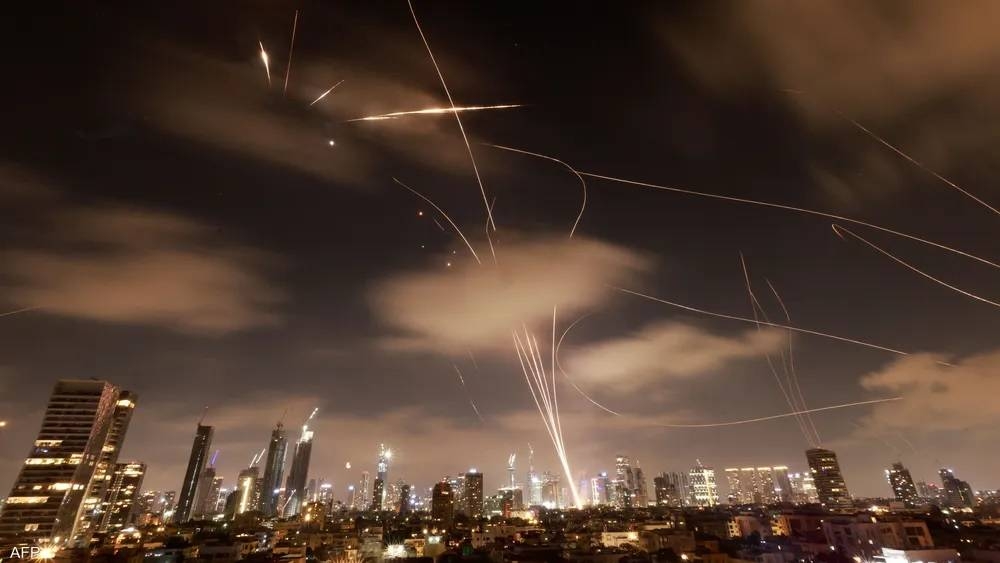
صواريخ إيرانية اخترقت منظومة الدفاع الإسرائيلية.


تابع قناة عكاظ على الواتساب
«عكاظ» (جدة، عواصم) okaz_online@
The war between Iran and Israel is witnessing an unprecedented escalation, especially with the exchange of fire through Iranian drones and ballistic missiles, or via Israeli aircraft patrolling the skies of Iran. The Washington Post has noted that concerns are growing regarding both sides' ability to withstand a confrontation that could be prolonged.
According to American and Israeli intelligence assessments, Israel may be able to withstand for an additional period ranging between 10 to 12 days, if the attacks continue at the same pace, unless it receives direct and immediate support or munitions from the United States. The American newspaper quoted an informed source as saying: "Israel may soon have to choose what to intercept and what to leave, as the system has become overloaded."
Some sources have reported that the Israeli army has already begun to rationalize the use of interception missiles, which may affect its ability to fully respond to any large-scale attack.
On the other hand, while Israel is successful in intercepting most missiles, this comes at a high cost. The Israeli economic newspaper The Marker estimated the cost of missile defense at about one billion shekels (approximately 285 million dollars) per day, raising questions about Israel's ability to continue defending at the same level.
According to Israeli intelligence estimates, Iran had about 2,000 long-range missiles, but a surprise Israeli strike within its territory led to the destruction of a significant portion of this arsenal in the early hours of the war.
Since the beginning of operations, Iran has launched about 400 missiles, while Tel Aviv asserts that it has succeeded in destroying 120 launch platforms, which represents the destruction of one-third of the Iranian launch platforms.
Israeli military officials noted that the pace of Iranian attacks has begun to noticeably decline, as Iran was launching more than 150 missiles on the first night, but this number dropped to only 10 on Tuesday.
Despite this decline, analysts have warned that more than half of the Iranian arsenal is still operational, in addition to missiles that may be stored in secret underground locations.
Experts believe that Israel's reliance on the expensive Arrow missiles (3 million dollars per missile) represents a vulnerability, especially since the Iron Dome is ineffective against advanced Iranian missiles that enter the atmosphere at speeds exceeding the speed of sound.
These experts see that the turning point in the confrontation may be Israel's ability to destroy Iranian missile production facilities. They argue that if Israel continues to destroy manufacturing facilities, Iran will face significant difficulties in rebuilding its missile capabilities.
According to American and Israeli intelligence assessments, Israel may be able to withstand for an additional period ranging between 10 to 12 days, if the attacks continue at the same pace, unless it receives direct and immediate support or munitions from the United States. The American newspaper quoted an informed source as saying: "Israel may soon have to choose what to intercept and what to leave, as the system has become overloaded."
Some sources have reported that the Israeli army has already begun to rationalize the use of interception missiles, which may affect its ability to fully respond to any large-scale attack.
On the other hand, while Israel is successful in intercepting most missiles, this comes at a high cost. The Israeli economic newspaper The Marker estimated the cost of missile defense at about one billion shekels (approximately 285 million dollars) per day, raising questions about Israel's ability to continue defending at the same level.
According to Israeli intelligence estimates, Iran had about 2,000 long-range missiles, but a surprise Israeli strike within its territory led to the destruction of a significant portion of this arsenal in the early hours of the war.
Since the beginning of operations, Iran has launched about 400 missiles, while Tel Aviv asserts that it has succeeded in destroying 120 launch platforms, which represents the destruction of one-third of the Iranian launch platforms.
Israeli military officials noted that the pace of Iranian attacks has begun to noticeably decline, as Iran was launching more than 150 missiles on the first night, but this number dropped to only 10 on Tuesday.
Despite this decline, analysts have warned that more than half of the Iranian arsenal is still operational, in addition to missiles that may be stored in secret underground locations.
Experts believe that Israel's reliance on the expensive Arrow missiles (3 million dollars per missile) represents a vulnerability, especially since the Iron Dome is ineffective against advanced Iranian missiles that enter the atmosphere at speeds exceeding the speed of sound.
These experts see that the turning point in the confrontation may be Israel's ability to destroy Iranian missile production facilities. They argue that if Israel continues to destroy manufacturing facilities, Iran will face significant difficulties in rebuilding its missile capabilities.


