


لايزال الرئيس الأمريكي دونالد ترمب يدرس إمكانية انضمام الولايات المتحدة إلى الحرب ضد إيران وشن هجمات على المنشآت النووية الإيرانية، خصوصا منشأة «فوردو» لتخصيب اليورانيوم تحت الأرض، بحسب موقع «أكسيوس».
وفي تقرير نشرته صحيفة «نيويورك تايمز»، فإن «فوردو»، الواقعة داخل جبل على عمق يصل إلى 300 قدم (نحو 90 مترا) تحت الأرض جنوبي طهران، تعد المنشأة الرئيسية الأخيرة المتبقية على قائمة أهداف إسرائيل. وجرى بناؤها خصيصًا لتحمّل الهجمات الجوية، وهو ما يجعلها بمنأى عن القنابل التي تملكها إسرائيل حاليًا.
ووفق التقرير، فإن الوحيدة القادرة على اختراق هذا العمق هي القنابل الأمريكية العملاقة GBU-57A/B، المعروفة باسم Massive Ordnance Penetrator (MOP)، والتي تزن 15 طنًا.
ونقلت عن السفير الإسرائيلي لدى الولايات المتحدة قوله إن «تحييد البرنامج النووي الإيراني لن يكتمل دون القضاء على فوردو»، معتبرًا أن المنشأة مفتاح إنهاء طموحات طهران في امتلاك سلاح نووي.
ورغم أن «فوردو» لا تحتوي على أحدث أجهزة الطرد المركزي، إلا أنها تضم معدات متقدمة قادرة على تخصيب اليورانيوم لمستويات مرتفعة قد تُستخدم لأغراض عسكرية.
ووفقًا لمسؤولين أمريكيين، مثل بريت ماكجورك منسق شؤون الشرق الأوسط في إدارات أمريكية سابقة، فإن «فشل ضرب فوردو يعني بقاء قدرة إيران على إنتاج مواد صالحة لصناعة السلاح».
وتسعى إسرائيل حاليًا إلى الحصول على دعم عسكري أمريكي، إما عبر تزويدها بالقنابل اللازمة أو من خلال مشاركة الطائرات الأمريكية في تنفيذ هجوم دقيق على المنشأة، إلا أن «نيويورك تايمز» ذكرت أن قرار واشنطن لا يزال محل نقاش داخلي، في ظل مخاوف من التصعيد مع إيران.
وترى إسرائيل، حسب الصحيفة، أن فوردو تمثّل «القطعة الأخيرة» في مساعي طهران لامتلاك قدرة نووية عسكرية، وأن تدميرها شرط ضروري لإنهاء التهديد النووي الإيراني.
لكن بسبب التحصين الهائل للموقع، تحتاج إسرائيل إلى دعم أمريكي مباشر لتحقيق ذلك ما يجعل مصير المنشأة، وربما مستقبل الملف النووي الإيراني، مرهونًا بقرار واشنطن في المرحلة القادمة.
هذه المنشأة المخصصة لتخصيب اليورانيوم شديدة التحصين لا بل مدفونة تحت جبل يبعد نحو 32 كيلومترا شمال شرق مدينة قُم وتُحيط بها دفاعات جوية.
وتتألف المنشأة من قاعتين مخصصتين لتخصيب اليورانيوم، تقدر مساحة الواحدة منها بـ80 إلى 90 مترا وتستوعبان 16 سلسلة من أجهزة الطرد المركزي أي بمعدل ثلاثة آلاف جهاز.
وتعتبر أعمق المنشآت النووية الإيرانية، وهي عصية على أي هجمات جوية تقليدية أو قنابل معروفة تمتلكها إسرائيل، ومن ثم فلا حلول إلا بضربات متكررة بقنابل GBU-57 الأمريكية الخارقة للدروع والتي لا يمكن إطلاقها إلا بواسطة قاذفات الشبح B-2 التابعة لسلاح الجو الأمريكي.
فيما يتمثل الخيار الآخر المطروح لتدمير منشأة فوردو أو على الأقل تعطيلها لفترة طويلة، في ضرب الأنفاق الخارجية أو أعمدة التهوية المموهة أو شبكة الكهرباء ما سيستوجب أشهرا لإعادتها للعمل.
تقع على عمق 90 مترا تحت الأرض
«فوردو».. قلعة نووية إيرانية داخل الجبل
18 يونيو 2025 - 13:40
|
آخر تحديث 18 يونيو 2025 - 13:40
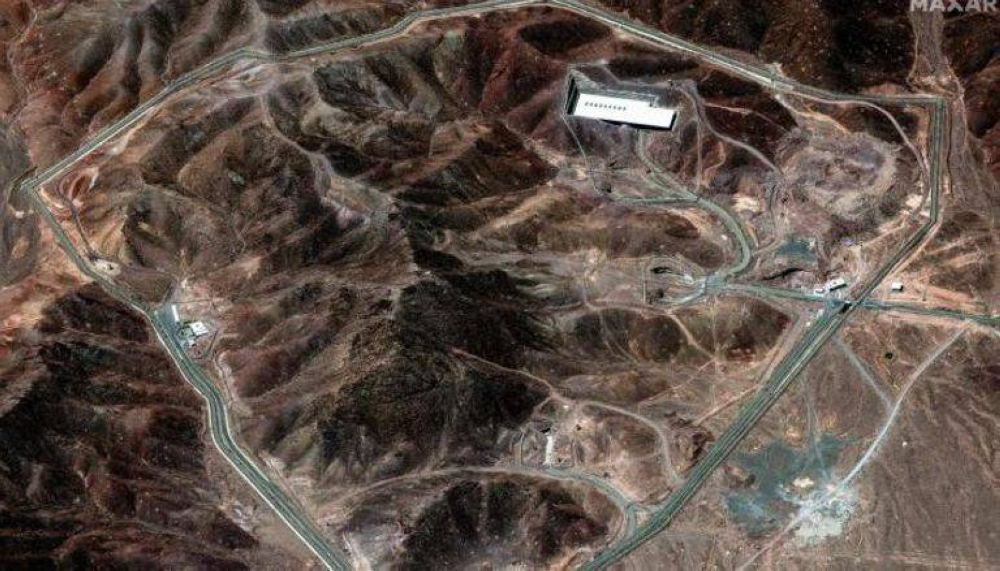
صورة بالأقمار الصناعية تظهر منشأة فوردو الإيرانية.


تابع قناة عكاظ على الواتساب
«عكاظ» (جدة) okaz_online@
President Donald Trump is still considering the possibility of the United States joining the war against Iran and launching attacks on Iranian nuclear facilities, particularly the underground "Fordow" uranium enrichment facility, according to Axios.
In a report published by The New York Times, "Fordow," located inside a mountain at a depth of up to 300 feet (about 90 meters) underground south of Tehran, is the last main facility remaining on Israel's target list. It was specifically built to withstand aerial attacks, making it safe from the bombs currently possessed by Israel.
According to the report, the only bombs capable of penetrating this depth are the massive American GBU-57A/B bombs, known as the Massive Ordnance Penetrator (MOP), which weigh 15 tons.
It quoted the Israeli ambassador to the United States as saying that "neutralizing the Iranian nuclear program will not be complete without destroying Fordow," considering that the facility is key to ending Tehran's ambitions to possess nuclear weapons.
Although "Fordow" does not contain the latest centrifuge technology, it has advanced equipment capable of enriching uranium to high levels that could be used for military purposes.
According to American officials, such as Brett McGurk, a coordinator for Middle Eastern affairs in previous U.S. administrations, "failing to strike Fordow means Iran's ability to produce weapon-grade materials will remain."
Israel is currently seeking American military support, either by supplying the necessary bombs or by involving American aircraft in carrying out a precise attack on the facility. However, The New York Times reported that Washington's decision is still under internal discussion, amid fears of escalation with Iran.
Israel sees, according to the newspaper, that Fordow represents "the last piece" in Tehran's efforts to acquire military nuclear capability, and that its destruction is a necessary condition to end the Iranian nuclear threat.
However, due to the site's massive fortifications, Israel needs direct American support to achieve this, which makes the fate of the facility, and perhaps the future of the Iranian nuclear file, dependent on Washington's decision in the coming phase.
This uranium enrichment facility is heavily fortified, even buried under a mountain about 32 kilometers northeast of the city of Qom and surrounded by air defenses.
The facility consists of two halls dedicated to uranium enrichment, each estimated to be 80 to 90 meters in size, accommodating 16 cascades of centrifuges, or about three thousand devices.
It is considered the deepest of Iran's nuclear facilities, impervious to any conventional airstrikes or known bombs possessed by Israel. Therefore, there are no solutions except for repeated strikes with the American GBU-57 bunker-busting bombs, which can only be launched by the U.S. Air Force's B-2 stealth bombers.
The other option proposed to destroy the Fordow facility or at least disable it for an extended period is to strike the external tunnels, camouflaged ventilation shafts, or the power grid, which would require months to restore to operation.
In a report published by The New York Times, "Fordow," located inside a mountain at a depth of up to 300 feet (about 90 meters) underground south of Tehran, is the last main facility remaining on Israel's target list. It was specifically built to withstand aerial attacks, making it safe from the bombs currently possessed by Israel.
According to the report, the only bombs capable of penetrating this depth are the massive American GBU-57A/B bombs, known as the Massive Ordnance Penetrator (MOP), which weigh 15 tons.
It quoted the Israeli ambassador to the United States as saying that "neutralizing the Iranian nuclear program will not be complete without destroying Fordow," considering that the facility is key to ending Tehran's ambitions to possess nuclear weapons.
Although "Fordow" does not contain the latest centrifuge technology, it has advanced equipment capable of enriching uranium to high levels that could be used for military purposes.
According to American officials, such as Brett McGurk, a coordinator for Middle Eastern affairs in previous U.S. administrations, "failing to strike Fordow means Iran's ability to produce weapon-grade materials will remain."
Israel is currently seeking American military support, either by supplying the necessary bombs or by involving American aircraft in carrying out a precise attack on the facility. However, The New York Times reported that Washington's decision is still under internal discussion, amid fears of escalation with Iran.
Israel sees, according to the newspaper, that Fordow represents "the last piece" in Tehran's efforts to acquire military nuclear capability, and that its destruction is a necessary condition to end the Iranian nuclear threat.
However, due to the site's massive fortifications, Israel needs direct American support to achieve this, which makes the fate of the facility, and perhaps the future of the Iranian nuclear file, dependent on Washington's decision in the coming phase.
This uranium enrichment facility is heavily fortified, even buried under a mountain about 32 kilometers northeast of the city of Qom and surrounded by air defenses.
The facility consists of two halls dedicated to uranium enrichment, each estimated to be 80 to 90 meters in size, accommodating 16 cascades of centrifuges, or about three thousand devices.
It is considered the deepest of Iran's nuclear facilities, impervious to any conventional airstrikes or known bombs possessed by Israel. Therefore, there are no solutions except for repeated strikes with the American GBU-57 bunker-busting bombs, which can only be launched by the U.S. Air Force's B-2 stealth bombers.
The other option proposed to destroy the Fordow facility or at least disable it for an extended period is to strike the external tunnels, camouflaged ventilation shafts, or the power grid, which would require months to restore to operation.


