في أول تقييم تجريه، أعلنت الوكالة الدولية للطاقة الذرية، اليوم (الثلاثاء)، تعرض الجزء السفلي من مفاعل نطنز النووي في إيران لأضرار مباشرة، موضحة إنها تمتلك أدلة جديدة على ذلك.
وذكرت الوكالة أنها رصدت عوامل إضافية تشير إلى تأثيرات مباشرة على غرف تخصيب اليورانيوم تحت الأرض في منشأة نطنز، مبينة أن الضربات الإسرائيلية كانت لها «تأثيرات مباشرة» على قاعات أجهزة الطرد المركزي تحت الأرض في منشأة نطنز.
وقالت الوكالة: «استناداً إلى التحليل المستمر لصور الأقمار الاصطناعية عالية الدقة التي تم جمعها عقب الهجمات التي شنت الجمعة الماضي، حددت الوكالة الدولية للطاقة الذرية عناصر إضافية تشير إلى حدوث تأثيرات مباشرة على قاعات التخصيب تحت الأرض في منشأة نطنز».
وفيما يتعلق بمنشأتي أصفهان وفوردو النوويتين في إيران، أوضحت الوكالة الدولية للطاقة الذرية إنه لا يوجد تغيير ليتم إعلانه بشأنهما.
وكان المدير العام للوكالة الدولية للطاقة الذرية، رافاييل غروسي، قد قال أمس (الإثنين)، إن أجهزة الطرد المركزي في منشأة نطنز قد تكون دُمّرت نتيجة للهجمات الإسرائيلية، مبيناً لهيئة الإذاعة البريطانية، أن الأجهزة تعرّضت على الأرجح لأضرار جسيمة، إن لم تكن قد دُمّرت بالكامل، وذلك نتيجة لانقطاع التيار الكهربائي الناجم عن الهجوم الذي وقع الجمعة.
وأشار إلى أن القسم الواقع تحت الأرض في نطنز لم يُصب مباشرة، إلا أن المعدات المثبّتة هناك قد تكون تضررت أيضاً بسبب انقطاع الكهرباء، محذراً من التلوث الإشعاعي داخل المنشآت النووية.
ولفت إلى أن القسم العلوي من منشأة نطنز، حيث يُخصّب اليورانيوم بنسبة تصل إلى 60%، دُمر في الهجوم وتضررت 4 مبانٍ في موقع أصفهان، في حين لم ترد تقارير عن أضرار في منشأة فوردو الواقعة تحت الأرض.
وتعد هذه الهجمات جزءاً من حملة جوية تشنها إسرائيل منذ الجمعة ضد إيران واستهدفت البرنامج العسكري والنووي الإيراني، ومواقع عسكرية.
في أول تقييم.. «الوكالة الدولية للطاقة الذرية»: الجزء السفلي من نطنز تعرض لأضرار
17 يونيو 2025 - 18:12
|
آخر تحديث 17 يونيو 2025 - 18:12
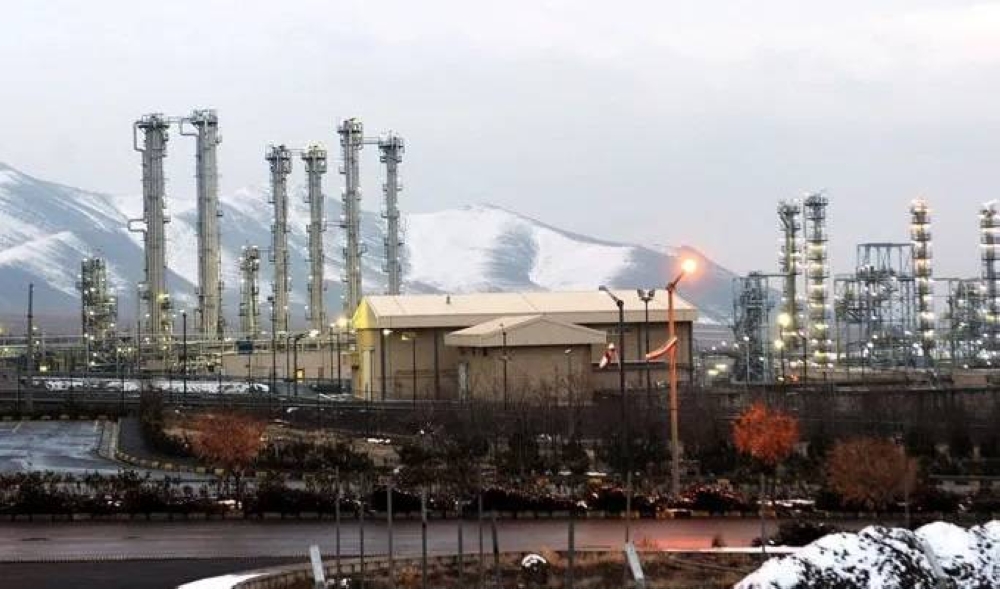
منشآت نطنز


تابع قناة عكاظ على الواتساب
«عكاظ» (جدة) okaz_online@
In its first assessment, the International Atomic Energy Agency (IAEA) announced today (Tuesday) that the lower part of the Natanz nuclear reactor in Iran has sustained direct damage, stating that it has new evidence to support this.
The agency reported that it has detected additional factors indicating direct impacts on the underground uranium enrichment halls at the Natanz facility, noting that the Israeli strikes had "direct effects" on the underground centrifuge halls at Natanz.
The agency stated: "Based on the ongoing analysis of high-resolution satellite images collected following the attacks that took place last Friday, the IAEA has identified additional elements indicating direct impacts on the underground enrichment halls at the Natanz facility."
Regarding the Isfahan and Fordow nuclear facilities in Iran, the IAEA clarified that there is no change to report concerning them.
The Director General of the IAEA, Rafael Grossi, stated yesterday (Monday) that the centrifuges at the Natanz facility may have been destroyed as a result of the Israeli attacks, indicating to the BBC that the devices likely sustained severe damage, if not complete destruction, due to the power outage caused by the attack that occurred on Friday.
He pointed out that the underground section of Natanz was not directly hit, but the equipment installed there may also have been damaged due to the power outage, warning of potential radioactive contamination within the nuclear facilities.
He noted that the upper section of the Natanz facility, where uranium is enriched to levels of up to 60%, was destroyed in the attack, and four buildings at the Isfahan site were damaged, while there were no reports of damage at the underground Fordow facility.
These attacks are part of an air campaign launched by Israel since Friday against Iran, targeting the Iranian military and nuclear program, as well as military sites.
The agency reported that it has detected additional factors indicating direct impacts on the underground uranium enrichment halls at the Natanz facility, noting that the Israeli strikes had "direct effects" on the underground centrifuge halls at Natanz.
The agency stated: "Based on the ongoing analysis of high-resolution satellite images collected following the attacks that took place last Friday, the IAEA has identified additional elements indicating direct impacts on the underground enrichment halls at the Natanz facility."
Regarding the Isfahan and Fordow nuclear facilities in Iran, the IAEA clarified that there is no change to report concerning them.
The Director General of the IAEA, Rafael Grossi, stated yesterday (Monday) that the centrifuges at the Natanz facility may have been destroyed as a result of the Israeli attacks, indicating to the BBC that the devices likely sustained severe damage, if not complete destruction, due to the power outage caused by the attack that occurred on Friday.
He pointed out that the underground section of Natanz was not directly hit, but the equipment installed there may also have been damaged due to the power outage, warning of potential radioactive contamination within the nuclear facilities.
He noted that the upper section of the Natanz facility, where uranium is enriched to levels of up to 60%, was destroyed in the attack, and four buildings at the Isfahan site were damaged, while there were no reports of damage at the underground Fordow facility.
These attacks are part of an air campaign launched by Israel since Friday against Iran, targeting the Iranian military and nuclear program, as well as military sites.