


أعلن مصدر سوداني مسؤول مقتل 13 مدنيا وإصابة 42 آخرين بينهم أطفال في غارة جوية نفذتها طائرة مسيّرة تابعة لقوات الدعم السريع، استهدفت مبنى أبو حمرة الزراعي الذي يُستخدم ملجأ للنازحين في مدينة الفاشر بولاية شمال دارفور غربي السودان.
وتشهد الفاشر أوضاعا إنسانية متدهورة في ظل اشتداد القتال منذ أبريل الماضي، إذ تُحكم قوات الدعم السريع حصارها على المدينة، ما أدى إلى نفاد الإمدادات الأساسية ومنع دخول المساعدات الغذائية والطبية.
وأفاد مدير عام وزارة الصحة بالولاية الدكتور إبراهيم خاطر، بأن الهجوم أسفر عن سقوط 13 قتيلا، بينهم 4 أطفال، إضافة إلى 42 جريحا، من بينهم 14 طفلا، بعضهم في حالات حرجة. ووصف الوضع الإنساني في المدينة بأنه «كارثي»، داعيا الجميع إلى التدخل العاجل لتوفير الدعم الإنساني للمتضررين.
ومع تصاعد الهجمات على الفاشر، وإغلاق الطرقات، أجبر مئات الأشخاص على اللجوء إلى المباني العالية كملاذ آمن. وقال شهود عيان إن تلك المباني السكنية أصبحت الآن بين المنشآت المستهدفة في هجمات الدعم السريع.
وأكدت مصادر سودانية أن المدنيين في الفاشر يعيشون حالة من الذعر المستمر، إذ لم يعد هناك مكان آمن، وبات الناس يبحثون عن مأوى، لكن حتى المباني التي يعتقدون أنها آمنة أصبحت هدفا للقصف الجوي من قِبل الدعم السريع.
وحذرت من أن الوضع الإنساني يزداد سوءا، وهناك حاجة ملحة لتوفير المساعدات الإنسانية، فالكثير من الأسر فقدت معيلها، ويعاني الأطفال من نقص حاد في الغذاء والرعاية الصحية.
ولفتت إلى أن المجتمع الدولي يجب أن يتحرك بسرعة، فالأزمة تتفاقم، والوقت يمر بسرعة. نحن بحاجة إلى حماية المدنيين وتوفير ممرات آمنة للمساعدات، وإلا فإن الكارثة ستزداد عمقا.
ومنذ أكثر من عامين، تسعى قوات الدعم السريع إلى السيطرة على مدينة الفاشر التي تقع على بُعد أكثر من 800 كيلومتر جنوب غرب العاصمة الخرطوم، من القوات المسلحة السودانية. وشنت هجمات منتظمة على المدينة، أسفرت عن إسقاط مخيم للنازحين، ولكن حسب مراقبين، فإن كل محاولاتها باءت بالفشل.
13 قتيلا و42 جريحا في قصف لـ«الدعم السريع» على الفاشر
17 يونيو 2025 - 12:37
|
آخر تحديث 17 يونيو 2025 - 12:37
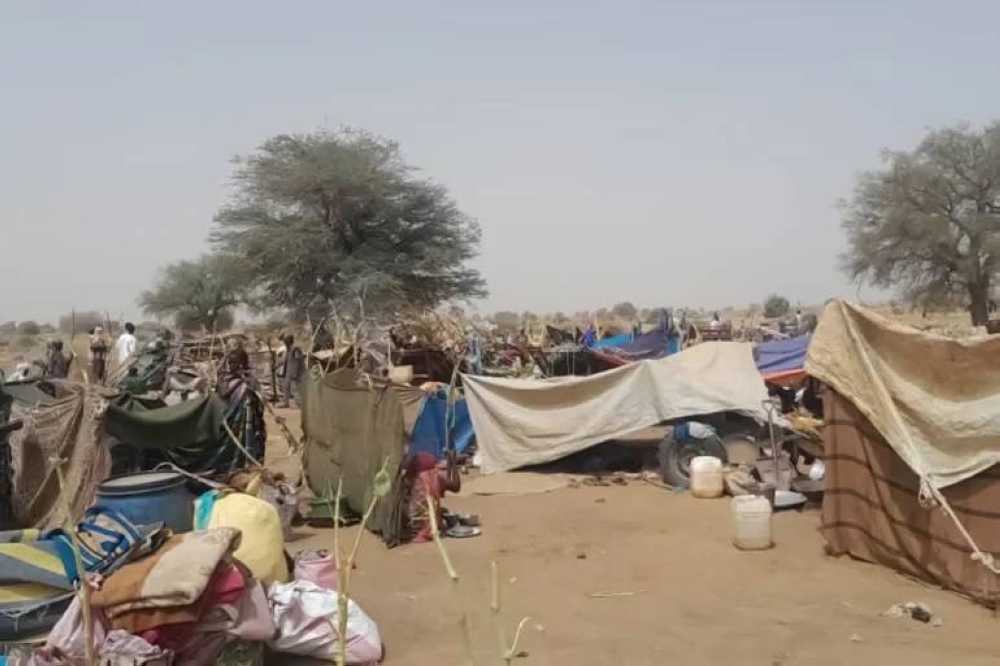
نازحون فارون من جحيم الحرب في محيط مدينة الفاشر


تابع قناة عكاظ على الواتساب
«عكاظ» (جدة) okaz_online@
A Sudanese official source announced the death of 13 civilians and the injury of 42 others, including children, in an airstrike carried out by a drone belonging to the Rapid Support Forces, targeting the Abu Hamra agricultural building, which is used as a shelter for displaced persons in the city of El Fasher in North Darfur state, western Sudan.
El Fasher is experiencing deteriorating humanitarian conditions amid escalating fighting since last April, as the Rapid Support Forces tighten their siege on the city, leading to a depletion of essential supplies and preventing the entry of food and medical aid.
The director general of the state's health ministry, Dr. Ibrahim Khater, reported that the attack resulted in 13 fatalities, including 4 children, in addition to 42 injured, among them 14 children, some of whom are in critical condition. He described the humanitarian situation in the city as "catastrophic," calling for urgent intervention to provide humanitarian support to those affected.
With the escalation of attacks on El Fasher and the closure of roads, hundreds of people have been forced to seek refuge in high buildings as a safe haven. Eyewitnesses stated that these residential buildings have now become among the targeted facilities in the Rapid Support Forces' attacks.
Sudanese sources confirmed that civilians in El Fasher are living in a state of continuous panic, as there is no longer a safe place, and people are searching for shelter, but even the buildings they believe to be safe have become targets for airstrikes by the Rapid Support Forces.
They warned that the humanitarian situation is worsening, and there is an urgent need to provide humanitarian aid, as many families have lost their breadwinners, and children are suffering from severe malnutrition and lack of healthcare.
They pointed out that the international community must act quickly, as the crisis is escalating and time is running out. We need to protect civilians and provide safe corridors for aid; otherwise, the disaster will deepen.
For more than two years, the Rapid Support Forces have been seeking to control the city of El Fasher, located more than 800 kilometers southwest of the capital, Khartoum, from the Sudanese Armed Forces. They have launched regular attacks on the city, resulting in the collapse of a camp for displaced persons, but according to observers, all their attempts have failed.
El Fasher is experiencing deteriorating humanitarian conditions amid escalating fighting since last April, as the Rapid Support Forces tighten their siege on the city, leading to a depletion of essential supplies and preventing the entry of food and medical aid.
The director general of the state's health ministry, Dr. Ibrahim Khater, reported that the attack resulted in 13 fatalities, including 4 children, in addition to 42 injured, among them 14 children, some of whom are in critical condition. He described the humanitarian situation in the city as "catastrophic," calling for urgent intervention to provide humanitarian support to those affected.
With the escalation of attacks on El Fasher and the closure of roads, hundreds of people have been forced to seek refuge in high buildings as a safe haven. Eyewitnesses stated that these residential buildings have now become among the targeted facilities in the Rapid Support Forces' attacks.
Sudanese sources confirmed that civilians in El Fasher are living in a state of continuous panic, as there is no longer a safe place, and people are searching for shelter, but even the buildings they believe to be safe have become targets for airstrikes by the Rapid Support Forces.
They warned that the humanitarian situation is worsening, and there is an urgent need to provide humanitarian aid, as many families have lost their breadwinners, and children are suffering from severe malnutrition and lack of healthcare.
They pointed out that the international community must act quickly, as the crisis is escalating and time is running out. We need to protect civilians and provide safe corridors for aid; otherwise, the disaster will deepen.
For more than two years, the Rapid Support Forces have been seeking to control the city of El Fasher, located more than 800 kilometers southwest of the capital, Khartoum, from the Sudanese Armed Forces. They have launched regular attacks on the city, resulting in the collapse of a camp for displaced persons, but according to observers, all their attempts have failed.


