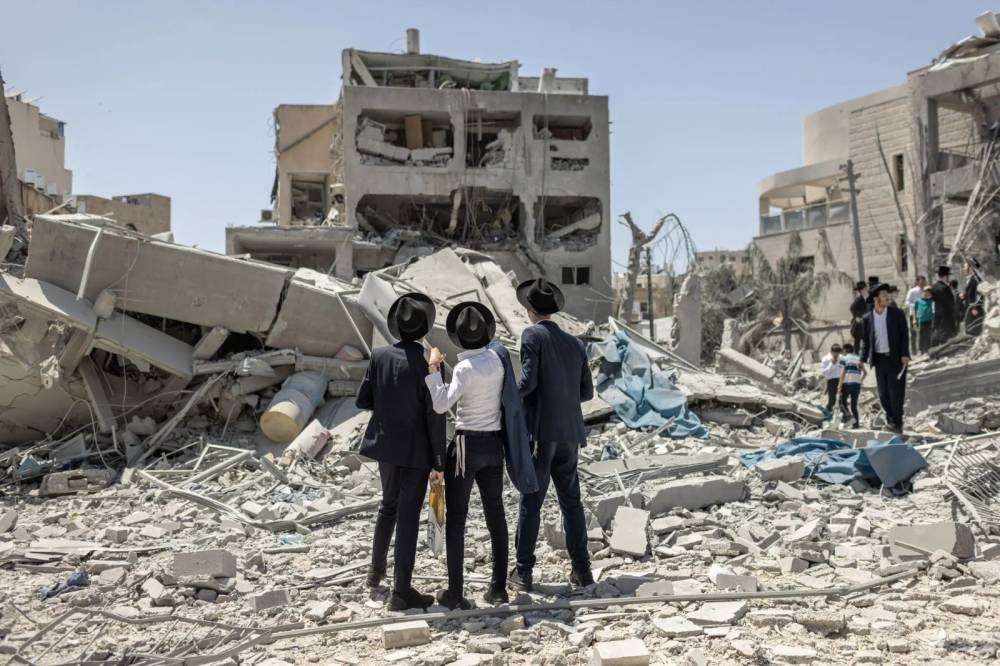
في ظل الحرب المستمرة منذ أربعة أيام بين إسرائيل وإيران، يواجه الرئيس الأمريكي دونالد ترمب قرارًا حاسمًا قد يُغير مسار الصراع في الشرق الأوسط.
ووفقا لتقرير نشرته صحيفة «نيويورك تايمز»، فإن الخيار المطروح هو ما إذا كانت الولايات المتحدة ستتدخل مباشرة عبر دعم إسرائيل لتدمير منشأة فوردو النووية الإيرانية، المدفونة عميقًا تحت الأرض، والتي لا يمكن الوصول إليها إلا باستخدام قنبلة «قاتلة الحصون» الأمريكية العملاقة (GBU-57)، التي تُعرف باسم «القنبلة الضخمة» ويتم إسقاطها من قاذفات B-2 الأمريكية.
وسيجعل التدخل الأمريكي في هذا الصراع، الولايات المتحدة طرفًا مباشرًا في نزاع جديد بالمنطقة، وهو ما تعهد ترمب خلال حملتيه الانتخابيتين بتجنبه.
من جانبها، حذرت إيران من أن أي مشاركة أمريكية في الهجوم على منشآتها ستُقوض فرص إحياء اتفاق النزع النووي، الذي يصر ترمب على أنه لا يزال مهتمًا به.
في محاولة لتجنب التصعيد، اقترح ترمب على مبعوثه للشرق الأوسط، ستيف ويتكوف، وربما نائب الرئيس جيه دي فانس، عقد لقاء مع الإيرانيين، وفقًا لمسؤول أمريكي.
لكن تصريحات ترمب على وسائل التواصل الاجتماعي يوم الإثنين، حيث دعا الجميع إلى إخلاء طهران فورًا، أثارت تساؤلات حول جدية هذه المساعي الدبلوماسية.
في الوقت ذاته، أشار ترمب إلى أن إيران على طاولة المفاوضات وترغب في التوصل إلى اتفاق.
ومع تصاعد التوتر، أعلن البيت الأبيض مساء الإثنين أن ترمب سيغادر قمة مجموعة السبع مبكرًا بسبب الأوضاع في الشرق الأوسط، وقال ترمب: حالما أغادر، سنقوم بشيء ما، دون أن يكشف عن تفاصيل خططه.
في حال عقد لقاء بين فانس وويتكوف والإيرانيين، فإن الطرف الإيراني المحتمل هو وزير الخارجية عباس عراقجي، الذي لعب دورًا بارزًا في مفاوضات الاتفاق النووي لعام 2015.
وأعرب عراقجي، أمس (الإثنين)، عن انفتاحه على التفاوض، قائلًا: إذا كان ترمب جادًا في الدبلوماسية ويرغب في وقف هذه الحرب، فالخطوات القادمة حاسمة.
وأضاف أن مكالمة هاتفية واحدة من واشنطن قد تكون كفيلة بكبح جماح رئيس الوزراء الإسرائيلي بنيامين نتنياهو، مما يفتح الباب أمام العودة إلى الدبلوماسية.
ومع ذلك، إذا فشلت الجهود الدبلوماسية أو رفضت إيران الامتثال لمطلب ترمب الأساسي بوقف تخصيب اليورانيوم على أراضيها، فقد يلجأ الرئيس إلى خيار تدمير فوردو ومنشآت نووية أخرى باستخدام قنبلة GBU-57، التي تزن 30 ألف رطل ولا تمتلك إسرائيل القدرة على استخدامها، حيث تحتاج إلى قاذفة B-2 التي تمتلكها الولايات المتحدة فقط.
ويؤكد خبراء أن فوردو تُعد حجر الزاوية في البرنامج النووي الإيراني، ويقول بريت ماكغورك، الذي عمل في قضايا الشرق الأوسط عبر أربع إدارات أمريكية: إذا انتهى الصراع وفوردو لا تزال تُخصب اليورانيوم، فلن يكون هناك مكسب إستراتيجي.
وتشير التقديرات إلى أن هجومًا على فوردو يتطلب موجات متتالية من القنابل لضمان تدمير المنشأة، بقيادة طيارين أمريكيين.
وبدأت الحرب يوم الجمعة عندما أمر نتنياهو بضربات على إيران، مدعيًا وجود تهديد وشيك استدعى عملًا استباقيًا بناءً على معلومات استخباراتية تشير إلى أن إيران على وشك تحويل مخزونها من الوقود النووي إلى أسلحة.
بينما يتفق مسؤولو الاستخبارات الأمريكية على أن إيران تُحاول تقليص الوقت اللازم لتصنيع قنبلة نووية، إلا أنهم لا يرون اختراقات كبيرة في هذا الاتجاه.
إذا نجت فوردو من الصراع، ستحتفظ إيران بالمعدات الأساسية لاستئناف برنامجها النووي، حتى لو دُمرت بنيتها التحتية النووية الأخرى.
وهناك بدائل غير عسكرية، مثل قطع إمدادات الطاقة عن فوردو، كما حدث في منشأة نطنز يوم الجمعة، مما أدى إلى تعطيل أجهزة الطرد المركزي، وفقًا لمدير الوكالة الدولية للطاقة الذرية، رافائيل غروسي.
وفي الولايات المتحدة، ينقسم الجمهوريون حول هذا القرار. يدعو السيناتور ليندسي غراهام إلى الذهاب بكل قوة لتدمير البرنامج النووي الإيراني، بما في ذلك توفير القنابل اللازمة، وفي المقابل، يحذر الجناح المناهض للتدخل في الحزب، بقيادة شخصيات مثل تاكر كارلسون، من مخاطر الانجرار إلى حرب جديدة في الشرق الأوسط، معتبرين أن إسرائيل يجب أن تخوض حروبها بمفردها.
وفي البنتاغون، هناك انقسام آخر. يرى إلبريدج كولبي، وكيل وزارة الدفاع للسياسات، أن أي موارد عسكرية تُستخدم في الشرق الأوسط تُصرف عن مواجهة الصين في المحيط الهادئ.
وحاليًا، يحاول ترمب التوفيق بين الدبلوماسية والضغط العسكري، ويمكنه إقناع أنصاره بأنه يستخدم تهديد القنبلة العملاقة لإنهاء الصراع سلميًا، بينما يحذر إيران من أنها ستتوقف عن التخصيب إما باتفاق دبلوماسي أو بتدمير منشآتها.
In the midst of the ongoing war for four days between Israel and Iran, U.S. President Donald Trump faces a critical decision that could change the course of the conflict in the Middle East.
According to a report published by the New York Times, the option on the table is whether the United States will intervene directly by supporting Israel to destroy the Iranian Fordow nuclear facility, which is buried deep underground and can only be accessed using the massive American "bunker buster" bomb (GBU-57), known as the "massive ordnance," which is dropped from U.S. B-2 bombers.
American intervention in this conflict would make the United States a direct party in a new dispute in the region, something Trump pledged to avoid during his two election campaigns.
For its part, Iran warned that any American involvement in the attack on its facilities would undermine the chances of reviving the nuclear disarmament agreement, which Trump insists he is still interested in.
In an attempt to avoid escalation, Trump suggested to his Middle East envoy, Steve Wittekov, and possibly Vice President J.D. Vance, to hold a meeting with the Iranians, according to an American official.
However, Trump's statements on social media on Monday, where he urged everyone to evacuate Tehran immediately, raised questions about the seriousness of these diplomatic efforts.
At the same time, Trump indicated that Iran is at the negotiating table and wants to reach an agreement.
As tensions escalated, the White House announced on Monday evening that Trump would leave the G7 summit early due to the situation in the Middle East, with Trump stating: "As soon as I leave, we will do something," without revealing the details of his plans.
If a meeting occurs between Vance, Wittekov, and the Iranians, the likely Iranian counterpart would be Foreign Minister Abbas Araghchi, who played a prominent role in the 2015 nuclear agreement negotiations.
Araghchi expressed his openness to negotiation yesterday (Monday), saying: "If Trump is serious about diplomacy and wants to stop this war, the next steps are crucial."
He added that a single phone call from Washington could be enough to rein in Israeli Prime Minister Benjamin Netanyahu, opening the door to a return to diplomacy.
However, if diplomatic efforts fail or Iran refuses to comply with Trump's fundamental demand to stop uranium enrichment on its territory, the president may resort to the option of destroying Fordow and other nuclear facilities using the GBU-57 bomb, which weighs 30,000 pounds and which Israel does not have the capability to use, as it requires a B-2 bomber that only the United States possesses.
Experts confirm that Fordow is a cornerstone of the Iranian nuclear program, and Brett McGurk, who has worked on Middle Eastern issues across four U.S. administrations, stated: "If the conflict ends and Fordow is still enriching uranium, there will be no strategic gain."
Estimates suggest that an attack on Fordow would require successive waves of bombs to ensure the destruction of the facility, led by American pilots.
The war began on Friday when Netanyahu ordered strikes on Iran, claiming an imminent threat that warranted preemptive action based on intelligence indicating that Iran was on the verge of converting its stockpile of nuclear fuel into weapons.
While U.S. intelligence officials agree that Iran is trying to shorten the time needed to manufacture a nuclear bomb, they do not see significant breakthroughs in that direction.
If Fordow survives the conflict, Iran will retain the essential equipment to resume its nuclear program, even if its other nuclear infrastructure is destroyed.
There are non-military alternatives, such as cutting off power supplies to Fordow, as happened at the Natanz facility on Friday, which disrupted centrifuges, according to the Director General of the International Atomic Energy Agency, Rafael Grossi.
In the United States, Republicans are divided over this decision. Senator Lindsey Graham calls for going all out to destroy the Iranian nuclear program, including providing the necessary bombs, while the anti-intervention wing of the party, led by figures like Tucker Carlson, warns of the dangers of being drawn into a new war in the Middle East, arguing that Israel should fight its own wars.
At the Pentagon, there is another division. Elbridge Colby, Deputy Assistant Secretary of Defense for Strategy, believes that any military resources used in the Middle East detract from confronting China in the Pacific.
Currently, Trump is trying to balance diplomacy and military pressure, and he can convince his supporters that he is using the threat of the massive bomb to end the conflict peacefully, while warning Iran that it will stop enriching either through a diplomatic agreement or through the destruction of its facilities.