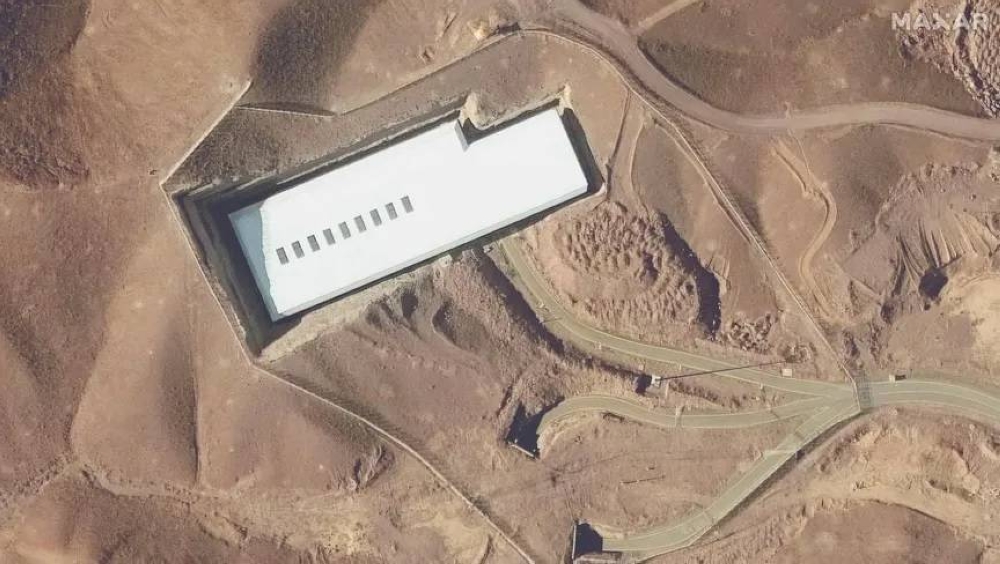
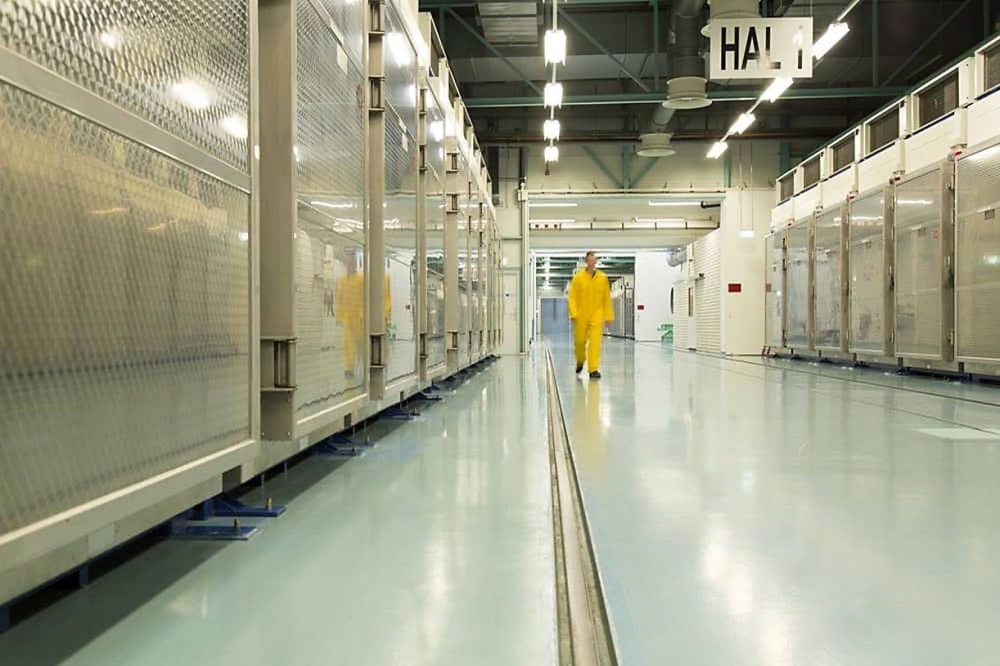
يطلق عسكريون إسرائيليون على منشأة تخصيب اليورانيوم «فوردو» النووية الإيرانية اسم جبل الهلاك، بسبب قوة تحصينها، ووجودها على عمق نصف كيلومتر تحت جبل، ومحاطة بأنظمة دفاع جوي، وتقع بشكل رمزي بالقرب من مدينة قُم الدينية القديمة.
وترى طهران في فوردو، رغم اعترافها بتعرضها للقصف، رمزاً لرغبتها في حماية برنامجها النووي، الذي صُمم ليصمد أمام هجوم مباشر شامل، مع الحفاظ على عدد كافٍ من أجهزة الطرد المركزي واليورانيوم عالي التخصيب بما يسمح لها بإنتاج سلاح نووي محتمل، أو تنفيذ ما يُعرف بالاختراق النووي، وفق ما أوردت «فاينانشيال تايمز».
وحسب تقرير للصحيفة البريطانية، نشر اليوم (الأحد)، فإن منشأة فوردو بُنيت تحت صخور صلبة، وأُحيطت بجدران خرسانية مسلحة، ما يجعلها بمنأى عن مدى التدمير الذي قد تلحقه الأسلحة الإسرائيلية المعروفة، وتمثل أيضاً انعكاساً لحالة قلق استراتيجي تعيشها إيران.
ونقلت عن الباحث البارز في مؤسسة الدفاع عن الديمقراطيات الأمريكية بهنام بن طالبلو قوله: «فوردو هي كل شيء في الأنشطة النووية الإيرانية».
وأظهر تحليل لمؤسسة معهد العلوم والأمن الدولي باستخدام صور أقمار اصطناعية أن قاعات أجهزة الطرد المركزي تحت الأرض في نطنز ربما تكون أصبحت غير صالحة للاستخدام بسبب الأضرار الكبيرة التي لحقت بإمدادات الكهرباء.
ويعتقد الخبير في الشأن الإيراني لدى معهد دراسات الأمن القومي في تل أبيب داني سيترينوفيتش أن فوردو ستكون هدفاً صعباً من دون دعم أمريكي، مؤكداً أن المنشأة محصنة بشدة وتقع في عمق جبل.
وقال إن إيران لم تقترب بعد من نقطة الصفر (أي التدمير الكامل لبرنامجها النووي).. فهي لا تزال تحتفظ بقدرات كبيرة، لافتاً إلى أن «فوردو» ستكون الهدف الأصعب، وربما الأخير، في الحملة الجوية الإسرائيلية.
وتشير تقديرات معهد العلوم والأمن الدولي إلى أن منشأة فوردو قادرة على تحويل كامل مخزون إيران من اليورانيوم عالي التخصيب، الذي قدر حجمه مفتشو الوكالة الدولية للطاقة الذرية في مايو بـ408 كيلوغرام، إلى يورانيوم صالح لصنع 9 قنابل نووية في غضون 3 أسابيع فقط.
وتوقع المعهد أن تتمكن إيران من إنتاج أول كمية (25 كيلوغراماً) من اليورانيوم المخصب بدرجة تصلح لصنع سلاح نووي داخل منشأة فوردو في غضون يومين إلى 3 فقط.
ما الفرق بين فوردو ونطنز؟
تكشف الفروقات بين فوردو ونطنز جانباً كبيراً من تاريخ البرنامج النووي الإيراني، إلى جانب الجهود متعددة الأطراف التي بُذلت لتقييد أنشطة التخصيب، بهدف منع تنفيذ الهجمات من النوع الذي شنته إسرائيل هذا الأسبوع.
وأعلنت إيران منشأة نطنز أمام الأمم المتحدة في 2003. ورغم احتوائها على ما يصل إلى 16 ألف جهاز طرد مركزي، وصُممت لتخصيب اليورانيوم على نطاق واسع، لكن بدرجات منخفضة.
وتخضع للتفتيش الدوري من قبل الوكالة الدولية، وهي أكثر ملاءمة للاستخدام المدني، وتقع على عمق لا يتجاوز 20 متراً فقط.
فيما تتميز فوردو بصلابة جيولوجية تجعل قاعاتها غير قابلة للاختراق أمام القنابل التقليدية المحمولة جواً، بما في ذلك القنبلة الأمريكية الخارقة للتحصينات، القادرة على اختراق 60 متراً من الخرسانة.
وشيدت منشأة فوردو بشكل سري، إلى أن كُشف عنها في سبتمبر 2009 في لحظة مثيرة، حين رفعت الولايات المتحدة وبريطانيا وفرنسا السرية عن معلومات استخباراتية أظهرت أن إيران أقامت منشأة سرية داخل جبل لا تتسق مع برنامج سلمي.
وشكل هذا الكشف صدمة كبيرة، وأثار انتقادات نادرة من روسيا وتحذيرات من الصين.
وباتت فوردو محوراً للجهود الدولية التي تهدف لتقييد البرنامج النووي الإيراني. وأسفرت هذه الضغوط عن تشديد العقوبات الأممية، وأفضت إلى التوصل إلى خطة العمل الشاملة المشتركة في عام 2015 مع القوى الكبرى، وهي الولايات المتحدة وبريطانيا وفرنسا وروسيا والصين وألمانيا.
وفي مقابل تخفيف العقوبات، وافقت إيران على تحويل فوردو إلى مركز أبحاث، وتحديد عدد أجهزة الطرد المركزي فيها، ووقف التخصيب لمدة 15 عاماً، والسماح بآليات رقابية مشددة من قبل المفتشين الدوليين، لكن واشنطن انسحبت من الاتفاق.
وبعد انفجار وقع في نطنز عام 2021، اتهمت إيران إسرائيل بالوقوف وراءه، وتسبب في تدمير قدرات التخصيب، فعلت طهران أجهزة الطرد المركزي في فوردو، وبدأت في تحويل مخزونها من اليورانيوم منخفض التخصيب إلى درجة نقاء تبلغ 60%، وهي نسبة يمكن من خلالها الوصول إلى درجة التخصيب اللازمة لصناعة قنبلة خلال أيام.
وحسب محللين، فإن فوردو قد تتحول، إذا لم تُدمر خلال الهجمات الإسرائيلية، إلى بؤرة جهود الاختراق النووي الإيراني. وقد تنسحب طهران من معاهدة عدم الانتشار النووي، وتوقف تعاونها مع الوكالة الدولية، وتبدأ بتصنيع قنبلة نووية بسرعة.
وسبق أن هددت طهران بهذا السيناريو في حال تعرضت منشآتها النووية لهجوم، رغم أن مثل هذه الخطوة قد تدفع الولايات المتحدة للتدخل عسكرياً إلى جانب إسرائيل.
Israeli military personnel refer to the Iranian nuclear facility "Fordow" as the Mountain of Doom, due to its strong fortifications, its location half a kilometer deep beneath a mountain, and its being surrounded by air defense systems, symbolically located near the ancient religious city of Qom.
Tehran views Fordow, despite acknowledging it has been targeted, as a symbol of its desire to protect its nuclear program, which is designed to withstand a comprehensive direct attack, while maintaining a sufficient number of centrifuges and highly enriched uranium to potentially produce a nuclear weapon or carry out what is known as nuclear breakout, according to the "Financial Times."
According to a report by the British newspaper published today (Sunday), the Fordow facility was built beneath solid rock and surrounded by reinforced concrete walls, making it immune to the destruction that known Israeli weapons could inflict, and it also reflects a state of strategic concern that Iran is experiencing.
It quoted Behnam Ben Taleblu, a senior researcher at the Foundation for Defense of Democracies in the U.S., saying: "Fordow is everything in Iranian nuclear activities."
An analysis by the Institute for Science and International Security using satellite images showed that the underground centrifuge halls at Natanz may have become unusable due to significant damage to the electricity supply.
Israeli security expert Dani Citrinovich believes that Fordow will be a difficult target without American support, emphasizing that the facility is heavily fortified and located deep within a mountain.
He stated that Iran has not yet reached the zero point (i.e., the complete destruction of its nuclear program)... it still retains significant capabilities, noting that "Fordow" will be the hardest, and perhaps the last, target in the Israeli air campaign.
Estimates from the Institute for Science and International Security indicate that the Fordow facility is capable of converting Iran's entire stockpile of highly enriched uranium, which was estimated by International Atomic Energy Agency inspectors in May to be 408 kilograms, into uranium suitable for making 9 nuclear bombs within just 3 weeks.
The institute predicted that Iran could produce its first quantity (25 kilograms) of uranium enriched to a level suitable for making a nuclear weapon inside the Fordow facility within just 2 to 3 days.
What is the difference between Fordow and Natanz?
The differences between Fordow and Natanz reveal a significant part of the history of the Iranian nuclear program, alongside the multilateral efforts made to restrict enrichment activities, aimed at preventing attacks of the kind that Israel launched this week.
Iran announced the Natanz facility to the United Nations in 2003. Although it contains up to 16,000 centrifuges and is designed for large-scale uranium enrichment, it does so at lower levels.
It is subject to regular inspections by the agency, is more suitable for civilian use, and is located at a depth of no more than 20 meters.
In contrast, Fordow is characterized by geological solidity that makes its halls impervious to conventional aerial bombs, including the American bunker-buster bomb, capable of penetrating 60 meters of concrete.
The Fordow facility was built secretly until it was revealed in September 2009 in a dramatic moment when the United States, Britain, and France declassified intelligence information showing that Iran had established a secret facility inside a mountain that was inconsistent with a peaceful program.
This revelation was a major shock and drew rare criticism from Russia and warnings from China.
Fordow has become the focal point of international efforts aimed at constraining the Iranian nuclear program. These pressures led to tightened UN sanctions and resulted in the Joint Comprehensive Plan of Action in 2015 with the major powers, namely the United States, Britain, France, Russia, China, and Germany.
In exchange for easing sanctions, Iran agreed to convert Fordow into a research center, limit the number of centrifuges there, halt enrichment for 15 years, and allow for stringent monitoring mechanisms by international inspectors, but Washington withdrew from the agreement.
After an explosion occurred at Natanz in 2021, Iran accused Israel of being behind it, which caused the destruction of enrichment capabilities, prompting Tehran to activate centrifuges at Fordow and begin converting its stockpile of low-enriched uranium to a purity level of 60%, a percentage that can reach the enrichment level necessary to produce a bomb within days.
According to analysts, if Fordow is not destroyed during Israeli attacks, it could become the focal point of Iran's nuclear breakout efforts. Tehran may withdraw from the Non-Proliferation Treaty, cease its cooperation with the agency, and begin rapidly manufacturing a nuclear bomb.
Tehran has previously threatened this scenario if its nuclear facilities were attacked, although such a step could prompt the United States to intervene militarily alongside Israel.