


تضاربت الأنباء بشأن موعد الجولة السادسة من المفاوضات الأمريكية الإيرانية، وأعلنت الخارجية الإيرانية على لسان المتحدث باسمها إسماعيل بقائي، اليوم (الثلاثاء)، أن الجولة ستُعقد الأحد القادم في العاصمة العُمانية مسقط، من دون أن يقدّم تفاصيل إضافية بشأن جدول الأعمال أو مستوى التمثيل من الجانبين، وهو ما يتناقض مع الموعد الذي أعلنه الرئيس الأمريكي دونالد ترمب، بأن جولة المفاوضات ستكون الخميس، دون توضيح مكان عقدها، في الوقت الذي رجحت مصادر أخرى عقد الجولة المرتقبة يوم الجمعة أو السبت.
وينتظر أن تقدم طهران خلال الجولة القادمة مقترحاً عبر الوسيط العماني وصفته بالمعقول والمنطقي والمتوازن، رداً على العرض الأمريكي الذي رفضته السلطات الإيرانية.
وتُعد الجولة المنتظرة السادسة من نوعها منذ انطلاق مسار التفاوض غير المباشر بين طهران وواشنطن هذا العام، والذي بدأ في 12 أبريل الماضي في مسقط، قبل أن تنتقل الجولة الثانية إلى السفارة العُمانية في روما يوم 19 أبريل، ثم تعود الجولة الثالثة إلى مسقط في 26 من الشهر ذاته.
أما الجولة الرابعة، فعُقدت في 11 مايو في مسقط، وسط أجواء وصفت بالإيجابية. ثم انعقدت الجولة الخامسة يوم 23 مايو في روما، وأعلن وزير خارجية سلطنة عُمان بدر البوسعيدي أنها شهدت «بعض التقدم، لكن دون تحقيق اختراق حاسم».
وفيما تُصرّ الولايات المتحدة على أن تتخلى إيران عن برنامجها النووي مقابل رفع العقوبات، تتمسك طهران بما تسميه بـ«الحق السيادي» في تخصيب اليورانيوم وامتلاك الطاقة النووية لأغراض سلمية، نافية سعيها إلى امتلاك سلاح نووي.
ومع تصاعد التوتر بين إسرائيل وإيران، كشف مصدر إسرائيلي مطلع أن الرئيس دونالد ترمب رفض أن يمنح رئيس الوزراء الإسرائيلي بنيامين نتنياهو الضوء الأخضر لتنفيذ هجوم على إيران قريباً.
وأفصح المصدر أن نتنياهو حاول إقناع ترمب بوقف المفاوضات النووية مع الجانب الإيراني دون جدوى، بحسب ما أوردت صحيفة «هآرتس»، اليوم (الثلاثاء). ولفت إلى أنه طلب من نتنياهو خلال اتصالهما مساء الإثنين، والذي استمر 40 دقيقة، عدم إثارة موضوع الهجمات على مواقع إيرانية في الإعلام وعلى العلن.
وكان المجلس الأعلى للأمن القومي الإيراني أكد أن قوات بلاده باتت قادرة، استناداً إلى وثائق استخبارية لديها حول المنشآت النووية الإسرائيلية، على شن هجمات مضادة في حال وجّهت إسرائيل ضربات لإيران.
من جهته، حذر مدير الوكالة الدولية للطاقة الذرية رافائيل غروسي إسرائيل من ضرب المواقع النووية الإيرانية، مؤكداً في مقابلة مع القناة الإسرائيلية «آي 24 نيوز» أن تلك المنشآت «محصنة للغاية وستتطلب قوة مدمرة جداً لإلحاق الضرر بها». وأضاف أن مثل هذا الهجوم قد يكون له «تأثير تجميعي»، وقد يعزز عزم إيران على السعي لامتلاك أسلحة نووية أو الانسحاب من معاهدة عدم انتشار الأسلحة النووية.
ترمب يطلب من نتنياهو عدم مهاجمة إيران
وسط أنباء متضاربة.. متى تعقد جولة المفاوضات بين واشنطن وطهران؟
10 يونيو 2025 - 13:37
|
آخر تحديث 10 يونيو 2025 - 13:37
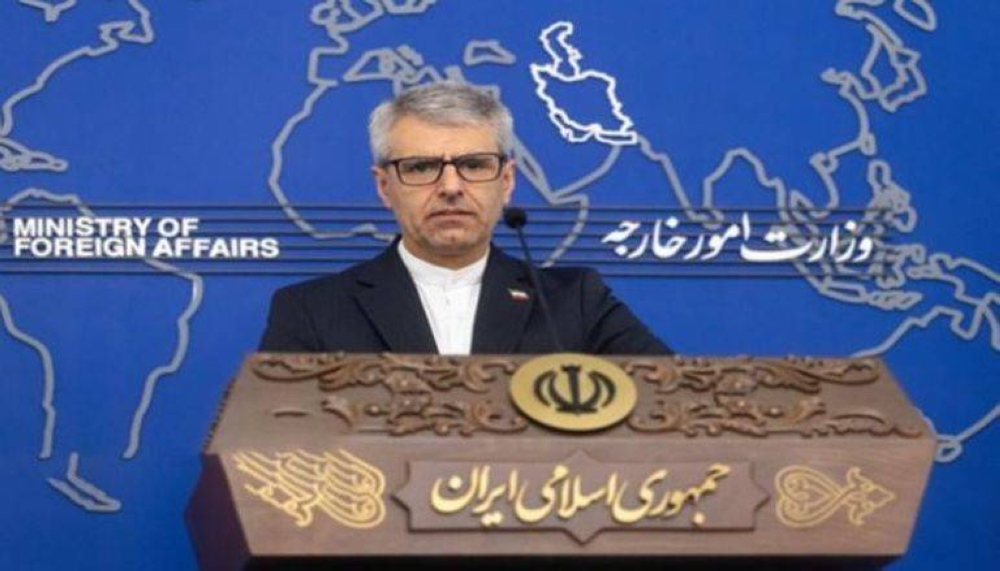
المتحدث باسم الخارجية الإيرانية


تابع قناة عكاظ على الواتساب
«عكاظ» (طهران، واشنطن) okaz_online@
The news regarding the timing of the sixth round of U.S.-Iranian negotiations has been conflicting. Today (Tuesday), the Iranian Foreign Ministry, through its spokesperson Ismail Baghaei, announced that the round will be held next Sunday in the Omani capital, Muscat, without providing additional details regarding the agenda or the level of representation from both sides. This contradicts the date announced by U.S. President Donald Trump, who stated that the round of negotiations would take place on Thursday, without clarifying the location, while other sources suggested that the anticipated round might be held on Friday or Saturday.
Tehran is expected to present a proposal during the upcoming round through the Omani mediator, which it described as reasonable, logical, and balanced, in response to the U.S. offer that was rejected by Iranian authorities.
The upcoming sixth round is the sixth of its kind since the start of the indirect negotiation process between Tehran and Washington this year, which began on April 12 in Muscat, before the second round moved to the Omani embassy in Rome on April 19, and then the third round returned to Muscat on the 26th of the same month.
The fourth round was held on May 11 in Muscat, amid what was described as positive atmospheres. The fifth round took place on May 23 in Rome, and Omani Foreign Minister Badr al-Busaidi announced that it witnessed "some progress, but without achieving a decisive breakthrough."
While the United States insists that Iran must abandon its nuclear program in exchange for lifting sanctions, Tehran maintains what it calls its "sovereign right" to enrich uranium and possess nuclear energy for peaceful purposes, denying any intention to acquire nuclear weapons.
As tensions rise between Israel and Iran, an informed Israeli source revealed that President Donald Trump refused to grant Israeli Prime Minister Benjamin Netanyahu the green light to carry out an attack on Iran soon.
The source disclosed that Netanyahu attempted to convince Trump to halt the nuclear negotiations with the Iranian side to no avail, according to what the newspaper "Haaretz" reported today (Tuesday). He noted that during their phone call on Monday evening, which lasted 40 minutes, he asked Netanyahu not to raise the issue of attacks on Iranian sites in the media and publicly.
The Iranian Supreme National Security Council confirmed that its forces are now capable, based on intelligence documents regarding Israeli nuclear facilities, of launching counterattacks if Israel were to strike Iran.
For his part, the Director General of the International Atomic Energy Agency, Rafael Grossi, warned Israel against striking Iranian nuclear sites, stating in an interview with the Israeli channel "i24 News" that those facilities are "extremely fortified and would require very destructive force to inflict damage on them." He added that such an attack could have a "cumulative effect" and might strengthen Iran's resolve to seek nuclear weapons or withdraw from the Treaty on the Non-Proliferation of Nuclear Weapons.
Tehran is expected to present a proposal during the upcoming round through the Omani mediator, which it described as reasonable, logical, and balanced, in response to the U.S. offer that was rejected by Iranian authorities.
The upcoming sixth round is the sixth of its kind since the start of the indirect negotiation process between Tehran and Washington this year, which began on April 12 in Muscat, before the second round moved to the Omani embassy in Rome on April 19, and then the third round returned to Muscat on the 26th of the same month.
The fourth round was held on May 11 in Muscat, amid what was described as positive atmospheres. The fifth round took place on May 23 in Rome, and Omani Foreign Minister Badr al-Busaidi announced that it witnessed "some progress, but without achieving a decisive breakthrough."
While the United States insists that Iran must abandon its nuclear program in exchange for lifting sanctions, Tehran maintains what it calls its "sovereign right" to enrich uranium and possess nuclear energy for peaceful purposes, denying any intention to acquire nuclear weapons.
As tensions rise between Israel and Iran, an informed Israeli source revealed that President Donald Trump refused to grant Israeli Prime Minister Benjamin Netanyahu the green light to carry out an attack on Iran soon.
The source disclosed that Netanyahu attempted to convince Trump to halt the nuclear negotiations with the Iranian side to no avail, according to what the newspaper "Haaretz" reported today (Tuesday). He noted that during their phone call on Monday evening, which lasted 40 minutes, he asked Netanyahu not to raise the issue of attacks on Iranian sites in the media and publicly.
The Iranian Supreme National Security Council confirmed that its forces are now capable, based on intelligence documents regarding Israeli nuclear facilities, of launching counterattacks if Israel were to strike Iran.
For his part, the Director General of the International Atomic Energy Agency, Rafael Grossi, warned Israel against striking Iranian nuclear sites, stating in an interview with the Israeli channel "i24 News" that those facilities are "extremely fortified and would require very destructive force to inflict damage on them." He added that such an attack could have a "cumulative effect" and might strengthen Iran's resolve to seek nuclear weapons or withdraw from the Treaty on the Non-Proliferation of Nuclear Weapons.


