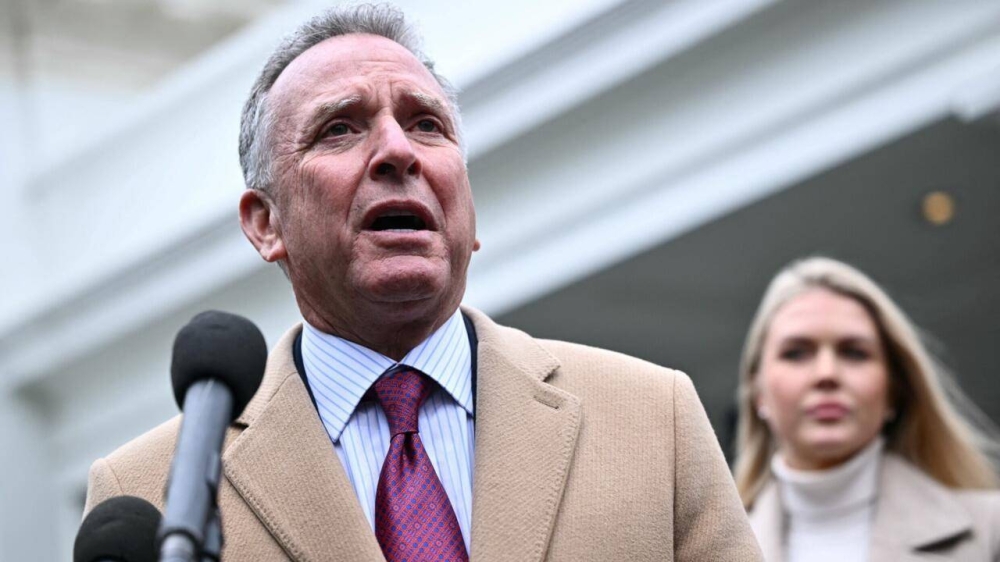
في اللحظة التي بدا فيها أن اقتراح المبعوث الأمريكي ستيف ويتكوف يقترب من الضوء، سُحب الحبل من طرفيه: حماس تعدل، إسرائيل ترفض، وهو يصف الرد بـ«غير المقبول تماماً».
المفاوضات تراوح مكانها، لكن الأرض لا تنتظر. والهدنة لم تعد مجرد مفاوضات، والسؤال الذي يعصف بجذر المسألة: من يملك القرار؟ ومن يملك التوقيت؟ وسط ركام غزة، ووسط صمت القيادة الميدانية لحماس بعد اغتيالات مركزة، تقف الحركة أمام منعطف حرج. فهل ما زال لديها ما تفاوض عليه؟ ومن يمثلها حقاً اليوم؟ وماذا عن إسرائيل التي ترفض الهدنة وتواصل حرب الإبادة، بينما واشنطن ومعها عواصم عربية تضغط بصوت لا يبدو أنه يخترق جدران «الكابينت»؟ وهل نحن أمام نهاية اقتراح أمريكي؟ أم بداية فصل جديد تكتبه الفصائل تحت الطاولة؟
اقتراح لا يجد شريكاً
الاقتراح الذي دفع به المبعوث الأمريكي لم يكن مجرد محاولة لوقف إطلاق النار، بل كان -في جوهره- اختباراً لنيات الطرفين، إذ اشتمل على هدنة مرحلية، تبادل أسرى، بدء مرحلة إعادة الإعمار، وانخراط سياسي تدريجي نحو تسوية أكبر.
لكن سرعان ما اصطدم الاقتراح بجدار صلب: حماس ردت بتعديلات تحمل في جوهرها مطلباً واضحاً بوقف دائم لإطلاق النار، وانسحاب إسرائيلي شامل، وضمانات دولية لا تعتمد فقط على وعود أمريكية. من جهتها، رأت إسرائيل في هذه التعديلات إعادة صياغة لجوهر المبادرة، لا تطويراً لها، ورفضت التفاوض حولها.
مصادر دبلوماسية رجحت لـ«عكاظ» أن يعود ويتكوف إلى المنطقة في جولة تهدف إلى استكمال الجهود الأمريكية لتثبيت هدنة مؤقتة تقود إلى اتفاق أشمل. وأضافت أن الزيارة ستشمل الدوحة والقاهرة وتل أبيب، ولقاءات غير علنية في الضفة الغربية.
عودة ويتكوف لا تأتي فقط لمتابعة الردود، بل لمحاولة ردم الهوة بين التعديلات التي طرحتها حماس والمواقف الإسرائيلية المتصلبة، وسط مؤشرات على أن واشنطن لا تزال ترى في المبادرة فرصة قائمة لا ورقة محروقة.
وهنا يطرح السؤال: هل كان ويتكوف يملك منذ البداية مقترحاً قابلاً للحياة؟ أم أنه كان يعلم أن الطرفين غير جاهزين لتقديم تنازلات حقيقية، لكنه أراد تسجيل «محاولة دبلوماسية» على الورق؟
من يقود حماس؟
بعد إعلان إسرائيل في 12 مايو مقتل محمد السنوار شقيق يحيى السنوار وأحد أبرز القادة الميدانيين، عاد التساؤل حول القيادة الفعلية في غزة. يُقال إن صالح العاروري، الذي اغتيل في بيروت أواخر 2023، كان مهندس التفاهمات السياسية، والسنوار أداة عسكرية تنفذ لا تفاوض. واليوم، لا أحد يتحدث بوضوح: لا عن قائد ولا عن مركز قرار موحد. فهل تقود حماس مرحلة التفاوض من موقع القوة أم من موقع الغموض؟ وهل قراراتها مركزية فعلاً، أم أن الحركة تتوزع الآن بين الخارج والداخل، بين جناح سياسي يبحث عن تسوية، وآخر ميداني يريد استمرار المواجهة؟ في ظل هذا الالتباس، أي رد على المقترحات لا يعكس موقفاً نهائياً بل مزيجاً من التقديرات والتحفظات والرهانات غير المُعلنة.
إسرائيل: لا للهدنة حتى إشعار آخر
منذ إعلان المقترح، بدا واضحاً أن تل أبيب لا تريد هدنة تعيد حماس إلى طاولة الشرعية السياسية. نتنياهو، المحاصر داخلياً بلجنة تحقيق مرتقبة حول إخفاقات 7 أكتوبر، يرى في استمرار الحرب مخرجاً وجودياً له ولائتلافه. وفي ظل هذا التصور، أي اتفاق يوقف النار دون «نصر واضح» هو بمثابة انتحار سياسي.
ورغم تزايد الضغوط الأمريكية والغربية، لم تبدِ إسرائيل حتى الآن أي استعداد لتقديم تنازل يفتح باب التسوية، بل تستثمر الزمن في تعميق الوضع الإنساني الكارثي في غزة لتستخدمه كورقة ضغط مستقبلاً في مفاوضات ما بعد النار.
وهنا يقفز السؤال: إلى أي مدى تستطيع إسرائيل الاستمرار في هذا العناد من دون أن تدفع المنطقة إلى انفجار واسع قد يشمل لبنان أو الضفة أو حتى الجبهة الإيرانية؟
الوسطاء العرب: رسائل لكن من يسمع؟
القاهرة والدوحة في سباق الزمن. الوساطة القطرية تحاول الحفاظ على خيوط العلاقة مع قيادة الخارج. بينما تبقى مصر أكثر التصاقاً بالجغرافيا وأقل صبراً أمام أي انفجار محتمل على حدودها.
والواضح أن دور الوسطاء هذه المرة أقل فاعلية من أي وقت مضى، فالأوراق الثقيلة ليست بأيديهم. القرار لم يعد فقط عند حماس وإسرائيل، بل في حسابات واشنطن، وتقديرات إقليمية، ورغبة موسكو في إعادة تموضعها في مشهد إقليمي هش.
ويعتقد دبلوماسي عربي أن المشكلة ليست في التفاصيل، بل في غياب الثقة بين الأطراف، مضيفاً أن مقترح ويتكوف فيه نقاط مقبولة، لكن التوقيت والعمل التكتيكي لا يخدمان فرص تطبيقه. وسأل: هل الوسطاء العرب جزء من المعادلة أم مجرد ناقلي رسائل في مسرح مغلق؟
هدنة أم لا شيء!
غزة قد تكون في الساعات القادمة على موعد مع اتفاق مفاجئ، أو على أعتاب تصعيد جديد. لكن المؤكد أن «مقترح ويتكوف» لم يعد مجرد وثيقة تفاوض، بل تحول إلى مرآة تكشف عمق الأزمة، وتُعيد طرح الأسئلة الجوهرية: هل ما زالت الهدنة ممكنة في ظل غياب قيادة واضحة للطرفين؟ هل يستطيع أي اتفاق أن يصمد أمام موازين قوى لا تزال تتحرك؟ وهل أصبحت غزة رهينة مبادرات تُطرح فقط لكسب الوقت لا لحسم القضايا؟
في هذا المشهد المفتوح، يبدو أن «الهدنة» لم تعد مجرد قرار سياسي، بل سؤال وجودي: من ينقذ غزة من تلك الأوراق التي تُوقع ثم تُدفن قبل أن تُنفذ؟!
متى يصبح «مقترح ويتكوف» ورقة ميتة ؟
«هدنة غزة».. عالقة بين النار والدبلوماسية
6 يونيو 2025 - 01:52
|
آخر تحديث 6 يونيو 2025 - 01:52


تابع قناة عكاظ على الواتساب
راوية حشمي (بيروت) HechmiRawiya@
In the moment when it seemed that the proposal from U.S. envoy Steve Witkoff was nearing fruition, the rope was pulled from both ends: Hamas made adjustments, Israel rejected, and he described the response as "completely unacceptable."
Negotiations are at a standstill, but the ground does not wait. The ceasefire is no longer just negotiations, and the question that strikes at the root of the matter is: who holds the decision? And who controls the timing? Amid the rubble of Gaza, and in the silence of Hamas's field leadership following targeted assassinations, the movement stands at a critical juncture. Does it still have anything to negotiate over? And who truly represents it today? What about Israel, which rejects the ceasefire and continues its war of extermination, while Washington and several Arab capitals press with a voice that seems not to penetrate the walls of the "Cabinet"? Are we facing the end of an American proposal? Or the beginning of a new chapter being written by factions under the table?
A Proposal Without a Partner
The proposal put forth by the U.S. envoy was not merely an attempt to achieve a ceasefire, but was, in essence, a test of the intentions of both parties, as it included a phased ceasefire, prisoner exchanges, the start of a reconstruction phase, and gradual political engagement towards a larger settlement.
However, the proposal quickly collided with a solid wall: Hamas responded with amendments that fundamentally demanded a permanent ceasefire, a complete Israeli withdrawal, and international guarantees that do not rely solely on American promises. For its part, Israel viewed these amendments as a rephrasing of the essence of the initiative, not an enhancement, and refused to negotiate them.
Diplomatic sources indicated to "Okaz" that Witkoff is expected to return to the region in a round aimed at completing U.S. efforts to establish a temporary ceasefire leading to a broader agreement. They added that the visit would include Doha, Cairo, and Tel Aviv, along with unofficial meetings in the West Bank.
Witkoff's return is not just to follow up on responses, but to attempt to bridge the gap between the amendments proposed by Hamas and the rigid Israeli positions, amid indications that Washington still sees the initiative as a viable opportunity, not a burnt card.
Here arises the question: Did Witkoff have a viable proposal from the start? Or did he know that both parties were not ready to make real concessions, but wanted to record a "diplomatic attempt" on paper?
Who Leads Hamas?
After Israel announced on May 12 the killing of Muhammad al-Sinwar, brother of Yahya al-Sinwar and one of the prominent field leaders, questions resurfaced about the actual leadership in Gaza. It is said that Saleh al-Arouri, who was assassinated in Beirut in late 2023, was the architect of the political understandings, while al-Sinwar was a military tool executing, not negotiating. Today, no one speaks clearly: neither about a leader nor about a unified decision-making center. Does Hamas lead the negotiation phase from a position of strength or from a position of ambiguity? Are its decisions truly centralized, or is the movement now divided between the outside and the inside, between a political wing seeking a settlement and a military wing wanting to continue the confrontation? In light of this confusion, any response to the proposals does not reflect a final stance but rather a mix of estimates, reservations, and unspoken bets.
Israel: No Ceasefire Until Further Notice
Since the proposal was announced, it has been clear that Tel Aviv does not want a ceasefire that brings Hamas back to the table of political legitimacy. Netanyahu, besieged internally by an anticipated investigation into the failures of October 7, sees the continuation of the war as an existential escape for him and his coalition. In light of this perception, any agreement that stops the fire without a "clear victory" is tantamount to political suicide.
Despite increasing American and Western pressures, Israel has not shown any willingness to make a concession that opens the door to a settlement; rather, it is investing time in deepening the catastrophic humanitarian situation in Gaza to use it as a pressure card in future post-fire negotiations.
Here arises the question: How far can Israel continue in this stubbornness without pushing the region towards a wide explosion that could include Lebanon, the West Bank, or even the Iranian front?
Arab Mediators: Messages, But Who Listens?
Cairo and Doha are racing against time. The Qatari mediation is trying to maintain ties with the leadership abroad. Meanwhile, Egypt remains more closely tied to the geography and less patient in the face of any potential explosion at its borders.
It is clear that the role of mediators this time is less effective than ever, as the heavy cards are not in their hands. The decision is no longer solely with Hamas and Israel, but in the calculations of Washington, regional assessments, and Russia's desire to reposition itself in a fragile regional scene.
An Arab diplomat believes that the problem lies not in the details, but in the absence of trust between the parties, adding that Witkoff's proposal contains acceptable points, but the timing and tactical actions do not serve its implementation chances. He asked: Are the Arab mediators part of the equation or merely message carriers in a closed theater?
A Ceasefire or Nothing!
Gaza may be on the brink of a surprising agreement in the coming hours, or on the threshold of a new escalation. But what is certain is that "Witkoff's proposal" is no longer just a negotiation document; it has turned into a mirror reflecting the depth of the crisis, and re-raising fundamental questions: Is a ceasefire still possible in the absence of clear leadership from both parties? Can any agreement withstand power balances that are still shifting? And has Gaza become a hostage to initiatives that are proposed only to buy time, not to resolve issues?
In this open scene, it seems that the "ceasefire" is no longer just a political decision, but an existential question: Who will save Gaza from those papers that are signed and then buried before they are implemented?!
Negotiations are at a standstill, but the ground does not wait. The ceasefire is no longer just negotiations, and the question that strikes at the root of the matter is: who holds the decision? And who controls the timing? Amid the rubble of Gaza, and in the silence of Hamas's field leadership following targeted assassinations, the movement stands at a critical juncture. Does it still have anything to negotiate over? And who truly represents it today? What about Israel, which rejects the ceasefire and continues its war of extermination, while Washington and several Arab capitals press with a voice that seems not to penetrate the walls of the "Cabinet"? Are we facing the end of an American proposal? Or the beginning of a new chapter being written by factions under the table?
A Proposal Without a Partner
The proposal put forth by the U.S. envoy was not merely an attempt to achieve a ceasefire, but was, in essence, a test of the intentions of both parties, as it included a phased ceasefire, prisoner exchanges, the start of a reconstruction phase, and gradual political engagement towards a larger settlement.
However, the proposal quickly collided with a solid wall: Hamas responded with amendments that fundamentally demanded a permanent ceasefire, a complete Israeli withdrawal, and international guarantees that do not rely solely on American promises. For its part, Israel viewed these amendments as a rephrasing of the essence of the initiative, not an enhancement, and refused to negotiate them.
Diplomatic sources indicated to "Okaz" that Witkoff is expected to return to the region in a round aimed at completing U.S. efforts to establish a temporary ceasefire leading to a broader agreement. They added that the visit would include Doha, Cairo, and Tel Aviv, along with unofficial meetings in the West Bank.
Witkoff's return is not just to follow up on responses, but to attempt to bridge the gap between the amendments proposed by Hamas and the rigid Israeli positions, amid indications that Washington still sees the initiative as a viable opportunity, not a burnt card.
Here arises the question: Did Witkoff have a viable proposal from the start? Or did he know that both parties were not ready to make real concessions, but wanted to record a "diplomatic attempt" on paper?
Who Leads Hamas?
After Israel announced on May 12 the killing of Muhammad al-Sinwar, brother of Yahya al-Sinwar and one of the prominent field leaders, questions resurfaced about the actual leadership in Gaza. It is said that Saleh al-Arouri, who was assassinated in Beirut in late 2023, was the architect of the political understandings, while al-Sinwar was a military tool executing, not negotiating. Today, no one speaks clearly: neither about a leader nor about a unified decision-making center. Does Hamas lead the negotiation phase from a position of strength or from a position of ambiguity? Are its decisions truly centralized, or is the movement now divided between the outside and the inside, between a political wing seeking a settlement and a military wing wanting to continue the confrontation? In light of this confusion, any response to the proposals does not reflect a final stance but rather a mix of estimates, reservations, and unspoken bets.
Israel: No Ceasefire Until Further Notice
Since the proposal was announced, it has been clear that Tel Aviv does not want a ceasefire that brings Hamas back to the table of political legitimacy. Netanyahu, besieged internally by an anticipated investigation into the failures of October 7, sees the continuation of the war as an existential escape for him and his coalition. In light of this perception, any agreement that stops the fire without a "clear victory" is tantamount to political suicide.
Despite increasing American and Western pressures, Israel has not shown any willingness to make a concession that opens the door to a settlement; rather, it is investing time in deepening the catastrophic humanitarian situation in Gaza to use it as a pressure card in future post-fire negotiations.
Here arises the question: How far can Israel continue in this stubbornness without pushing the region towards a wide explosion that could include Lebanon, the West Bank, or even the Iranian front?
Arab Mediators: Messages, But Who Listens?
Cairo and Doha are racing against time. The Qatari mediation is trying to maintain ties with the leadership abroad. Meanwhile, Egypt remains more closely tied to the geography and less patient in the face of any potential explosion at its borders.
It is clear that the role of mediators this time is less effective than ever, as the heavy cards are not in their hands. The decision is no longer solely with Hamas and Israel, but in the calculations of Washington, regional assessments, and Russia's desire to reposition itself in a fragile regional scene.
An Arab diplomat believes that the problem lies not in the details, but in the absence of trust between the parties, adding that Witkoff's proposal contains acceptable points, but the timing and tactical actions do not serve its implementation chances. He asked: Are the Arab mediators part of the equation or merely message carriers in a closed theater?
A Ceasefire or Nothing!
Gaza may be on the brink of a surprising agreement in the coming hours, or on the threshold of a new escalation. But what is certain is that "Witkoff's proposal" is no longer just a negotiation document; it has turned into a mirror reflecting the depth of the crisis, and re-raising fundamental questions: Is a ceasefire still possible in the absence of clear leadership from both parties? Can any agreement withstand power balances that are still shifting? And has Gaza become a hostage to initiatives that are proposed only to buy time, not to resolve issues?
In this open scene, it seems that the "ceasefire" is no longer just a political decision, but an existential question: Who will save Gaza from those papers that are signed and then buried before they are implemented?!