


كشفت السلطات الصينية معلومات تتعلق بصاروخها النووي المتطور من طراز «دي إف-5 بي». وأفادت صحيفة «ذا صن» البريطانية بأن الصاروخ الباليستي العابر للقارات يتمتع بمدى هائل يتجاوز 12 ألف كيلومتر، وقدرة تدميرية تفوق قنبلة هيروشيما بـ200 مرة، ما يجعله أحد أبرز أسلحة الردع الاستراتيجية لدى بكين. ويتمتع الصاروخ بدقة كبيرة في الإصابة، بمعدل انحراف لا يتجاوز نصف كيلومتر.
ويضع مدى الصاروخ الكبير معظم أوروبا وجميع مدن الولايات المتحدة ضمن نطاقه إذا أُطلق من داخل الأراضي الصينية. فعلى سبيل المثال، تبلغ المسافة بين بكين ولندن نحو 8 آلاف كيلومتر، ومن الصين إلى نيويورك نحو 11 ألف كيلومتر.
وتصل القوة التفجيرية للصاروخ إلى 3 إلى 4 ميغاطن، أي ما يعادل 200 مرة قوة القنبلة النووية التي دمرت مدينة هيروشيما في عام 1945، والتي بلغت قوتها نحو 15 كيلوطناً من مادة تي إن تي، ويفوق بكثير القنبلة التي استهدفت ناغازاكي، والتي بلغت قوتها 21 كيلوطناً.
الصاروخ يتميز كذلك بتقنية الرؤوس الحربية المستقلة متعددة الأهداف (MIRV)، التي تتيح له حمل ما يصل إلى 10 رؤوس نووية يمكن توجيه كل منها إلى هدف مختلف، وهو ما يجعل من عملية اعتراض الصاروخ بواسطة أنظمة الدفاع الصاروخي أمراً بالغ الصعوبة، ويزيد من خطورته وفتكه بالمقارنة مع الأسلحة النووية التقليدية.
ووصف تليفزيون الصين الرسمي الصاروخ بأنه «جيل الصين الأول من الصواريخ الباليستية العابرة للقارات».
ودخلت النسخة الأولى من هذا السلاح، دي إف-5، الخدمة عام 1981، بينما تم تطوير النسخة الحالية في عام 2015.
ويعتقد محللون أن الدافع وراء الإعلان عن الصاروخ الجديد قد يكون جزءاً من سعي بكين إلى إظهار التحديث العسكري ورسالة ردع موجهة إلى خصومها، خصوصاً في ظل تصاعد التوترات الإقليمية والدولية.
وجاء الكشف عنه بعد أيام فقط من نشر الصين قاذفاتها النووية الأشد فتكاً على جزيرة صغيرة في بحر الصين الجنوبي، حسبما أظهرت صور أقمار صناعية التُقطت في 19 مايو. وتظهر الصور طائرتين ضخمتين من طراز إتش-6 متمركزتين في مطار جزيرة وودي.
ويعود تصميم الطراز إلى خمسينات القرن الماضي مستنداً إلى طائرات الحقبة السوفياتية، إلا أن الطائرات خضعت لتحديثات كبيرة تمكنها من حمل صواريخ نووية وفرط صوتية.
وتُعد هذه المرة الأولى منذ 5 سنوات التي تُرصد فيها هذه القاذفات المتطورة في تلك القاعدة الجوية.
يذكر أنه في سبتمبر 2024 أطلقت الصين صاروخاً نووياً عابراً للقارات نحو المحيط الهادئ، في أول تجربة من نوعها منذ 4 عقود.
يتمتع بمدى هائل يتجاوز 12000 كيلومتر
صاروخ صيني جديد يفوق «هيروشيما» 200 مرة
5 يونيو 2025 - 15:07
|
آخر تحديث 5 يونيو 2025 - 15:07
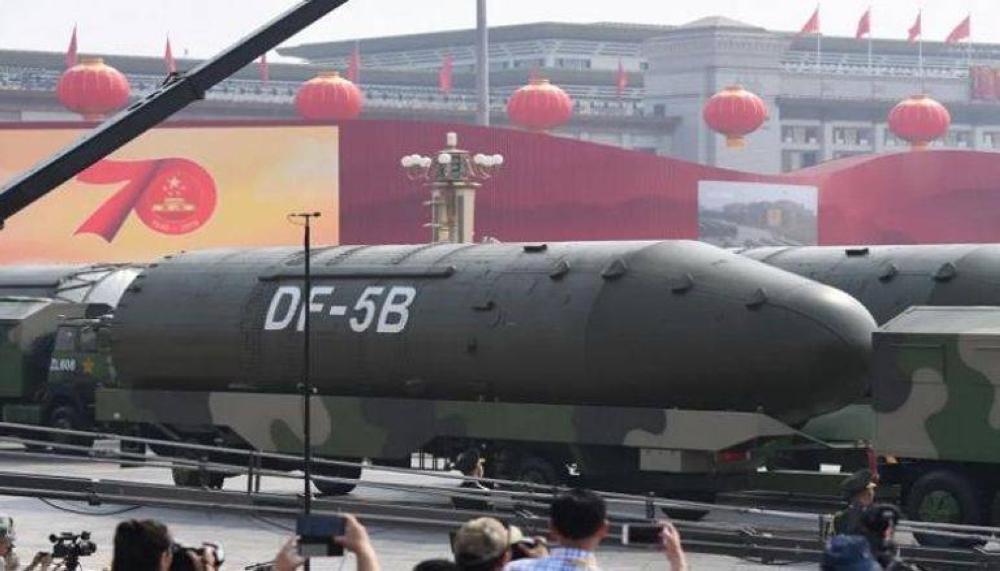
الصاروخ الصيني الجديد.


تابع قناة عكاظ على الواتساب
«عكاظ» (جدة) okaz_online@
The Chinese authorities have revealed information regarding their advanced nuclear missile, the "DF-5B." The British newspaper "The Sun" reported that the intercontinental ballistic missile has an enormous range exceeding 12,000 kilometers and a destructive capability that surpasses the Hiroshima bomb by 200 times, making it one of Beijing's most prominent strategic deterrent weapons. The missile also boasts high accuracy, with a deviation rate of no more than half a kilometer.
The missile's large range puts most of Europe and all cities in the United States within its reach if launched from Chinese territory. For example, the distance between Beijing and London is about 8,000 kilometers, and from China to New York is about 11,000 kilometers.
The explosive power of the missile reaches 3 to 4 megatons, equivalent to 200 times the strength of the nuclear bomb that destroyed Hiroshima in 1945, which had a strength of about 15 kilotons of TNT, and far exceeds the bomb that targeted Nagasaki, which had a strength of 21 kilotons.
The missile is also characterized by Multiple Independently Targetable Reentry Vehicles (MIRV) technology, allowing it to carry up to 10 nuclear warheads, each of which can be directed at a different target. This makes intercepting the missile with missile defense systems extremely difficult, increasing its danger and lethality compared to conventional nuclear weapons.
The official Chinese television described the missile as "China's first generation of intercontinental ballistic missiles."
The first version of this weapon, the DF-5, entered service in 1981, while the current version was developed in 2015.
Analysts believe that the motivation behind the announcement of the new missile may be part of Beijing's efforts to showcase military modernization and send a deterrent message to its adversaries, especially amid rising regional and international tensions.
The revelation came just days after China deployed its most lethal nuclear bombers to a small island in the South China Sea, as shown by satellite images taken on May 19. The images show two massive H-6 aircraft stationed at Woody Island airport.
The design of the model dates back to the 1950s, based on Soviet-era aircraft, but the planes have undergone significant upgrades enabling them to carry nuclear and hypersonic missiles.
This is the first time in 5 years that these advanced bombers have been spotted at that airbase.
It is worth noting that in September 2024, China launched an intercontinental nuclear missile towards the Pacific Ocean, marking the first test of its kind in 4 decades.
The missile's large range puts most of Europe and all cities in the United States within its reach if launched from Chinese territory. For example, the distance between Beijing and London is about 8,000 kilometers, and from China to New York is about 11,000 kilometers.
The explosive power of the missile reaches 3 to 4 megatons, equivalent to 200 times the strength of the nuclear bomb that destroyed Hiroshima in 1945, which had a strength of about 15 kilotons of TNT, and far exceeds the bomb that targeted Nagasaki, which had a strength of 21 kilotons.
The missile is also characterized by Multiple Independently Targetable Reentry Vehicles (MIRV) technology, allowing it to carry up to 10 nuclear warheads, each of which can be directed at a different target. This makes intercepting the missile with missile defense systems extremely difficult, increasing its danger and lethality compared to conventional nuclear weapons.
The official Chinese television described the missile as "China's first generation of intercontinental ballistic missiles."
The first version of this weapon, the DF-5, entered service in 1981, while the current version was developed in 2015.
Analysts believe that the motivation behind the announcement of the new missile may be part of Beijing's efforts to showcase military modernization and send a deterrent message to its adversaries, especially amid rising regional and international tensions.
The revelation came just days after China deployed its most lethal nuclear bombers to a small island in the South China Sea, as shown by satellite images taken on May 19. The images show two massive H-6 aircraft stationed at Woody Island airport.
The design of the model dates back to the 1950s, based on Soviet-era aircraft, but the planes have undergone significant upgrades enabling them to carry nuclear and hypersonic missiles.
This is the first time in 5 years that these advanced bombers have been spotted at that airbase.
It is worth noting that in September 2024, China launched an intercontinental nuclear missile towards the Pacific Ocean, marking the first test of its kind in 4 decades.


