


طرح رئيس حكومة الوحدة الوطنية في ليبيا عبد الحميد الدبيبة مبادرة سياسية جديدة للخروج من حالة الجمود السياسي التي تعيشها البلاد منذ أعوام، ردّاً على المطالب الشعبية التي تدعو إلى رحيله وحكومته من السلطة.
وكشف الدبيبة عن مبادرته اليوم (الثلاثاء) خلال اجتماع لمجلس الوزراء، وقال إنه يعتزم إطلاقها خلال الأيام القادمة.
وتتضمّن المبادرة المطروحة 3 مسارات، تبدأ بإعادة هيكلة الحكومة على أساس الكفاءة وبعيداً عن المحاصصة أو التأثيرات الموازية، ثم إطلاق مشروع الاستعلام الوطني كمسار جامع ومعبّر عن الإرادة الشعبية، ووضع آلية واقعية لتأمين الانتخابات، وإنهاء ذريعة وجود حكومة موازية.
ويسعى الدبيبة من وراء هذه المبادرة إلى كسر حالة الجمود السياسي في ليبيا التي أدّت إلى احتجاجات ومظاهرات شعبية تطالب برحيل جميع الأجسام السياسية وإنهاء المراحل الانتقالية والذهاب للانتخابات، وترفض استمرار الوضع والنظام السياسي الحالي.
تحرّك الدبيبة يجيء في وقت تواجه فيه ليبيا وضعاً محفوفاً بالمخاطر، مع تصاعد التوترات والصراع على السلطة والموارد المالية بين الأطراف السياسية في شرق البلاد وغربها ووصول الحوار بينهم إلى طريق مسدود.
وحذر مراقبون من أن ثمة خطراً ومخاوف حقيقية من انزلاق البلاد إلى نزاع مسلّح، مع تحريك الجيش الليبي قواته نحو مدينة سرت، وإعلان قوات الغرب الليبي حالة التأهب ودخولها في دورات تدريبية قتالية.
وحتى الآن يصعب التكهن بموقف السلطات في شرق ليبيا من المبادرة التي سيعلنها الدبيبة، خصوصاً البرلمان، الذي يطالب بتغيير الحكومة، وأطلق عملياً إجراءات تشكيل حكومة واحدة بديلة عن حكومة الدبيبة.
هل تُخرج «مبادرة الدبيبة» ليبيا من الأزمة المستحكمة ؟
3 يونيو 2025 - 19:13
|
آخر تحديث 3 يونيو 2025 - 19:13
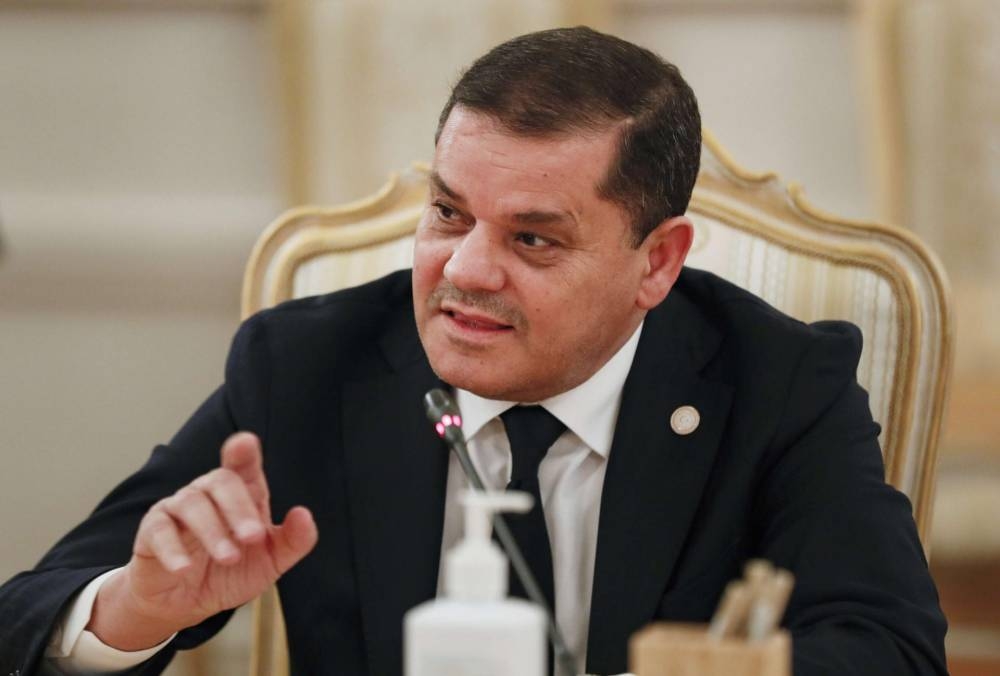
الدبيبة.


تابع قناة عكاظ على الواتساب
«عكاظ» (جدة) okaz_online@
The Prime Minister of the National Unity Government in Libya, Abdul Hamid Dbeibeh, has proposed a new political initiative to break the political deadlock that the country has been experiencing for years, in response to popular demands calling for his and his government's departure from power.
Dbeibeh revealed his initiative today (Tuesday) during a cabinet meeting, stating that he intends to launch it in the coming days.
The proposed initiative includes three pathways, starting with restructuring the government based on competence and away from quotas or parallel influences, then launching a national consultation project as a comprehensive pathway that reflects the popular will, and establishing a realistic mechanism to secure elections, thereby eliminating the pretext of a parallel government.
Dbeibeh aims through this initiative to break the political deadlock in Libya, which has led to protests and popular demonstrations demanding the departure of all political bodies, the end of transitional phases, and moving towards elections, while rejecting the continuation of the current political situation and system.
Dbeibeh's move comes at a time when Libya faces a precarious situation, with rising tensions and struggles for power and financial resources between political factions in the east and west of the country, and dialogue between them reaching a dead end.
Observers have warned that there is a real danger and concern about the country sliding into armed conflict, as the Libyan army moves its forces towards the city of Sirte, and the western Libyan forces declare a state of readiness and enter combat training cycles.
So far, it is difficult to predict the stance of the authorities in eastern Libya regarding the initiative that Dbeibeh will announce, especially the parliament, which is calling for a change of government and has practically initiated procedures to form a single alternative government to Dbeibeh's.
Dbeibeh revealed his initiative today (Tuesday) during a cabinet meeting, stating that he intends to launch it in the coming days.
The proposed initiative includes three pathways, starting with restructuring the government based on competence and away from quotas or parallel influences, then launching a national consultation project as a comprehensive pathway that reflects the popular will, and establishing a realistic mechanism to secure elections, thereby eliminating the pretext of a parallel government.
Dbeibeh aims through this initiative to break the political deadlock in Libya, which has led to protests and popular demonstrations demanding the departure of all political bodies, the end of transitional phases, and moving towards elections, while rejecting the continuation of the current political situation and system.
Dbeibeh's move comes at a time when Libya faces a precarious situation, with rising tensions and struggles for power and financial resources between political factions in the east and west of the country, and dialogue between them reaching a dead end.
Observers have warned that there is a real danger and concern about the country sliding into armed conflict, as the Libyan army moves its forces towards the city of Sirte, and the western Libyan forces declare a state of readiness and enter combat training cycles.
So far, it is difficult to predict the stance of the authorities in eastern Libya regarding the initiative that Dbeibeh will announce, especially the parliament, which is calling for a change of government and has practically initiated procedures to form a single alternative government to Dbeibeh's.


