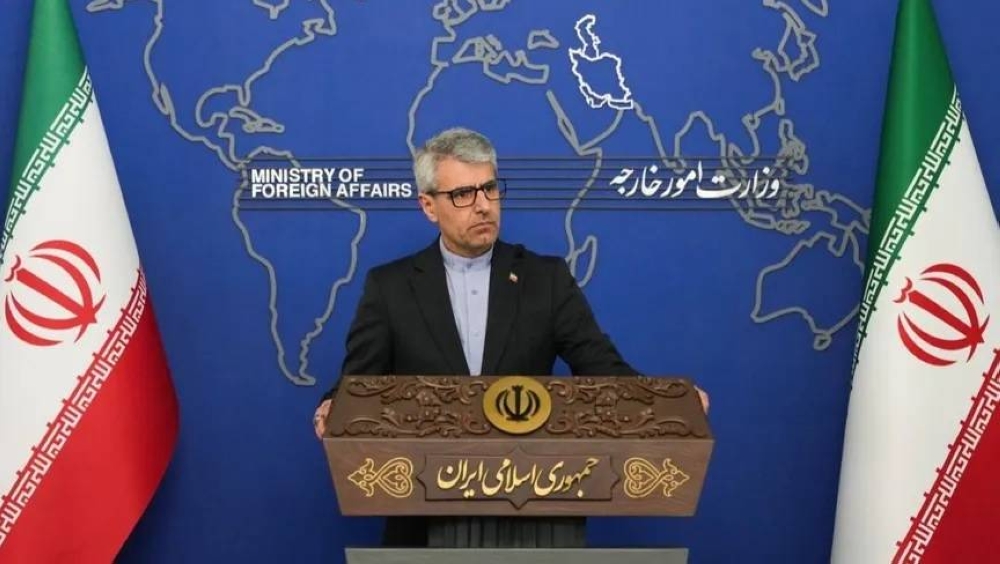
كرر المتحدث باسم الخارجية الإيرانية إسماعيل بقائي التأكيد على موقف بلاده بشأن مواصلة تخصيب اليورانيوم على أراضيها، وإنهاء العقوبات بشكل فعّال. وقال في مؤتمر صحفي أسبوعي، اليوم (الإثنين)، إن طهران تطالب بضمانات أمريكية بشأن رفع العقوبات.
واعتبر بقائي أن تسلم المقترح الأمريكي عبر سلطنة عمان لا يعني القبول به، وقال إن تسلُّم نص مكتوب لا يعني بأي حال من الأحوال قبوله، ولا حتى من حيث المبدأ.
وأضاف أن تبادل النصوص أمر شائع في أي مسار تفاوضي، مؤكداً أنه لا يمكن لـ«الكونسورتيوم النووي» أن يحل محل التخصيب على الأراضي الإيرانية، في إشارة إلى الفكرة التي طرحتها الولايات المتحدة سابقاً وتضمنت مقترحها المكتوب بإنشاء اتحاد إقليمي خارج إيران من أجل تخصيب اليورانيوم لأغراض سلمية.
وأفاد بأن الوفد المفاوض الإيراني هو من قدّم أول نص مكتوب للطرف الأمريكي، معتبراً أن تبادل المواقف والآراء، سواء شفهياً أو كتابياً، يُعد جزءاً طبيعياً من العملية التفاوضية، ومن البديهي أن يُدرس أي نص أو مقترح ويُعطى الرد المناسب وفقاً لمضمونه.
وأكد المسؤول الإيراني أن أي نص قد يتضمّن مطالب متطرفة وغير واقعية، ويتجاهل الحقوق والمصالح المشروعة للشعب الإيراني، لن يلقى أي تجاوب. ولفت إلى أن كلا الطرفين على دراية بالخطوط الحمراء لبعضهما بعضاً.
وقال إن إيران لم تشهد تغيراً في موقف الولايات المتحدة بشأن رفع العقوبات، مشدداً على أن خطوط طهران الحمراء ستكون أساس الرد على المقترح الأمريكي.
وطالب الولايات المتحدة بأن تكون واضحة بشأن كيفية رفع العقوبات، لضمان عدم تكرار التجارب السابقة.
وكان وزير الخارجية عباس عراقجي أعلن السبت الماضي أنه تلقى المقترح الأمريكي المكتوب عبر سلطنة عمان، مشيراً إلى أنه قيد الدرس.
وكشفت مصادر أمريكية مطلعة أن المقترح يتضمن إنشاء اتحاد إقليمي لتخصيب اليورانيوم، ورفع العقوبات الأمريكية مقابل موافقة طهران على عدم التخصيب على أراضيها.
ومن المنتظر عقد جولة سادسة من المحادثات النووية الإيرانية الأمريكية غير المباشرة قريباً، بعدما انطلقت أولى المحادثات بين الجانبين في 12 أبريل الماضي.
The spokesperson for the Iranian Foreign Ministry, Ismail Baqaei, reiterated his country's position regarding the continuation of uranium enrichment on its territory and the effective lifting of sanctions. He stated in a weekly press conference today (Monday) that Tehran demands American guarantees regarding the lifting of sanctions.
Baqaei considered that receiving the American proposal through Oman does not imply acceptance of it, stating that receiving a written text does not mean in any way accepting it, not even in principle.
He added that exchanging texts is common in any negotiating process, emphasizing that the "nuclear consortium" cannot replace enrichment on Iranian soil, referring to the idea previously proposed by the United States that included its written proposal to establish a regional union outside Iran for uranium enrichment for peaceful purposes.
He reported that the Iranian negotiating delegation was the one that presented the first written text to the American side, considering that exchanging positions and opinions, whether verbally or in writing, is a natural part of the negotiating process, and it is obvious that any text or proposal should be studied and a suitable response should be given according to its content.
The Iranian official confirmed that any text that may include extreme and unrealistic demands, while ignoring the legitimate rights and interests of the Iranian people, will not receive any response. He pointed out that both sides are aware of each other's red lines.
He stated that Iran has not witnessed any change in the United States' position regarding the lifting of sanctions, stressing that Tehran's red lines will be the basis for the response to the American proposal.
He demanded that the United States be clear about how to lift the sanctions, to ensure that past experiences are not repeated.
Foreign Minister Abbas Araghchi announced last Saturday that he received the written American proposal through Oman, indicating that it is under study.
Informed American sources revealed that the proposal includes the establishment of a regional union for uranium enrichment and the lifting of American sanctions in exchange for Tehran's agreement not to enrich on its territory.
A sixth round of indirect Iranian-American nuclear talks is expected to be held soon, after the first talks between the two sides began on April 12.