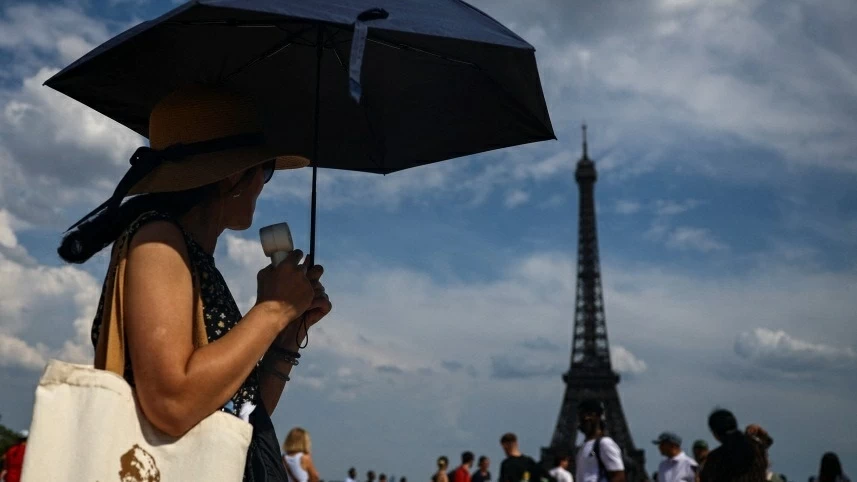
كشفت تقديرات صادرة عن مؤسسة مراقبة صحية عامة في إسبانيا أن موجة الحر القياسية التي تضرب أجزاء واسعة من أوروبا قد تكون مرتبطة بوفاة 212 شخصاً في إسبانيا خلال أربعة أيام فقط، في مؤشر جديد على تصاعد التأثيرات الصحية للظواهر المناخية المتطرفة؛ بحسب موقع the daily star.
ووفقاً لبيانات نظام المراقبة الإسباني (MoMo)، المختص برصد معدلات الوفيات اليومية وتحليلها مقارنة بالمعدلات المتوقعة استناداً إلى السجلات التاريخية، فقد تم تسجيل ارتفاع ملحوظ في الوفيات خلال الفترة من (الأحد) إلى (الأربعاء).
ويعتمد النظام في تقديراته على مقارنة معدلات الوفاة الحالية بالأنماط المعتادة، إلى جانب إدخال عوامل خارجية، من بينها بيانات الطقس الصادرة عن هيئة الأرصاد الجوية الإسبانية (AEMET)؛ بهدف تقييم العلاقة المحتملة بين الأحوال الجوية القاسية وارتفاع أعداد الوفيات.
وأظهرت البيانات تسجيل زيادة في الوفيات مقارنة بالفترة نفسها من العام الماضي، الذي صُنّف بوصفه الأكثر حرارة على الإطلاق في البلاد، والتي تُعد من أكثر الدول الأوروبية تأثراً بتداعيات التغير المناخي.
وسجلت إسبانيا خلال موسم الحر الممتد من 16 مايو إلى 30 سبتمبر من العام الماضي نحو 3832 حالة وفاة مرتبطة بارتفاع درجات الحرارة، بزيادة بلغت 87.6% مقارنة بالفترة ذاتها من العام السابق؛ بحسب بيانات النظام.
وعلى صعيد درجات الحرارة، سجلت الأراضي الإسبانية هذا الأسبوع أعلى متوسط يومي لدرجات الحرارة خلال شهر يونيو منذ بدء التسجيلات المناخية الحديثة عام 1950 على الأقل.
وبلغ متوسط درجات الحرارة اليومية 28.08 درجة مئوية (الإثنين)، قبل أن يرتفع إلى 28.17 درجة (الثلاثاء).
كما شهدت البلاد تسجيل أعلى متوسط للحد الأدنى لدرجات الحرارة خلال يونيو منذ عام 1950، إذ بلغت 20.14 درجة مئوية ليل (الإثنين) و19.81 درجة ليل (الثلاثاء).
وتُعرف هذه الظاهرة باسم «الليالي الاستوائية»، حيث تبقى درجات الحرارة مرتفعة خلال ساعات الليل، ما يعرقل النوم الطبيعي ويزيد من المخاطر الصحية، خاصة لدى كبار السن والأطفال وأصحاب الأمراض المزمنة.
وأدت موجة الحر إلى رفع أعلى درجات التحذير في مناطق شمال إسبانيا، من بينها كانتابريا وإقليم الباسك، وهما منطقتان لا تشهدان عادة درجات الحرارة المرتفعة بهذا الشكل، بعدما تجاوزت الحرارة فيهما حاجز 40 درجة مئوية.
ومع ذلك، بدأت الأحوال الجوية في التحسن تدريجياً، إذ أُلغيت معظم التحذيرات الجوية بحلول (الخميس)، مع الإبقاء على المستوى الأصفر الأدنى في بعض المناطق الشمالية.
Estimates from a public health monitoring institution in Spain have revealed that the record heatwave affecting large parts of Europe may be linked to the deaths of 212 people in Spain within just four days, indicating a new rise in the health impacts of extreme climate phenomena; according to the website the daily star.
According to data from the Spanish monitoring system (MoMo), which specializes in tracking and analyzing daily mortality rates compared to expected rates based on historical records, a significant increase in deaths was recorded during the period from (Sunday) to (Wednesday).
The system relies on comparing current mortality rates with usual patterns, along with incorporating external factors, including weather data from the Spanish Meteorological Agency (AEMET); aiming to assess the potential relationship between severe weather conditions and rising death tolls.
The data showed an increase in deaths compared to the same period last year, which was classified as the hottest ever recorded in the country, one of the European nations most affected by the consequences of climate change.
Spain recorded about 3,832 heat-related deaths during the heat season from May 16 to September 30 of last year, an increase of 87.6% compared to the same period of the previous year; according to the system's data.
In terms of temperatures, Spain recorded this week the highest daily average temperatures for June since modern climate records began in 1950 at least.
The average daily temperature reached 28.08 degrees Celsius (Monday), before rising to 28.17 degrees (Tuesday).
The country also witnessed the highest average minimum temperatures for June since 1950, reaching 20.14 degrees Celsius on the night of (Monday) and 19.81 degrees on the night of (Tuesday).
This phenomenon is known as "tropical nights," where temperatures remain high during nighttime hours, disrupting normal sleep and increasing health risks, especially among the elderly, children, and those with chronic illnesses.
The heatwave has raised the highest warning levels in northern Spain, including Cantabria and the Basque Country, regions that do not typically experience such high temperatures, as the heat exceeded 40 degrees Celsius.
However, weather conditions have begun to improve gradually, as most weather warnings were lifted by (Thursday), while maintaining the lowest yellow level in some northern areas.