


على وقع ترقب انطلاق الجولة السادسة من المفاوضات غير المباشرة بين إيران والولايات المتحدة للتوصل إلى اتفاق نووي جديد، كشف عضو لجنة الأمن القومي والسياسة الخارجية في البرلمان الإيراني إسماعيل كوثري أن المرشد علي خامنئي شكل فريقاً منسجماً يشرف على المفاوضات.
ونقل موقع «جماران» عن كوثري قوله خلال مقابلة: «إن هذا الفريق يحدد السياسات العامة التي تُسلّم إلى الفريق المفاوض»، لافتاً إلى أنه قبل كل جولة يجتمع وفد التفاوض مع لجنة الأمن القومي في البرلمان، وفريق خامنئي، لمناقشة وبلورة الآراء، ليذهب الوفد برئاسة وزير الخارجية عباس عراقجي إلى المحادثات النووية بإطار واضح.
وأضاف أنه عند عودة الوفد يُقدّم تقريراً دقيقاً، ما يوفّر وضوحاً في عملية اتخاذ القرار.
وحذّر البرلماني الإيراني من بوادر «الأطماع الأمريكية» في المفاوضات، قائلاً: «رغم أن الطرف الآخر أبدى رغبة في التفاوض، إلا أن مؤشرات على أطماعهم بدأت بالظهور تدريجياً، ومنها أنهم يطالبون بأن يصل البرنامج النووي إلى الصفر، وألا يكون هناك أي تخصيب لليورانيوم.» وتساءل كوثري: «إذا كان علينا ألا نخصّب، فلماذا تخصّبون أنتم؟».
وانتقد توسيع الولايات المتحدة العقوبات خلال سير المفاوضات، «ما نقوله هو أن الطرفين يجب أن يتعاملا بعدالة. نحن نقدّم ضماناً بأننا لن نتجه أبداً نحو السلاح النووي، ويمكن للوكالة الدولية للطاقة الذرية أن تُشرف على أنشطتنا بشكل دائم. في المقابل، ننتظر رفع العقوبات».
وكانت وزارة الخارجية الإيرانية أعلنت أنها تلقت مقترحاً أمريكياً مكتوباً بشأن الملف النووي، وأنها سترد عليه بما يراعي مصالح البلاد. وكشفت مصادر مطلعة أن المقترح تضمن فكرة إنشاء اتحاد إقليمي خارج إيران من أجل تخصيب اليورانيوم لأغراض سلمية.
ومنذ 12 أبريل الماضي، عقد الجانبان الأمريكي والإيراني 5 جولات من المفاوضات غير المباشرة بوساطة سلطنة عمان وصفت بالإيجابية، إلا أن مسألة السماح لإيران بتخصيب اليورانيوم على أراضيها شكلت «عقدة العقد».
أكد أن فريق خامنئي يشرف على المفاوضات
نائب إيراني: أمريكا تريد «تصفير» البرنامج النووي
1 يونيو 2025 - 15:30
|
آخر تحديث 1 يونيو 2025 - 15:30
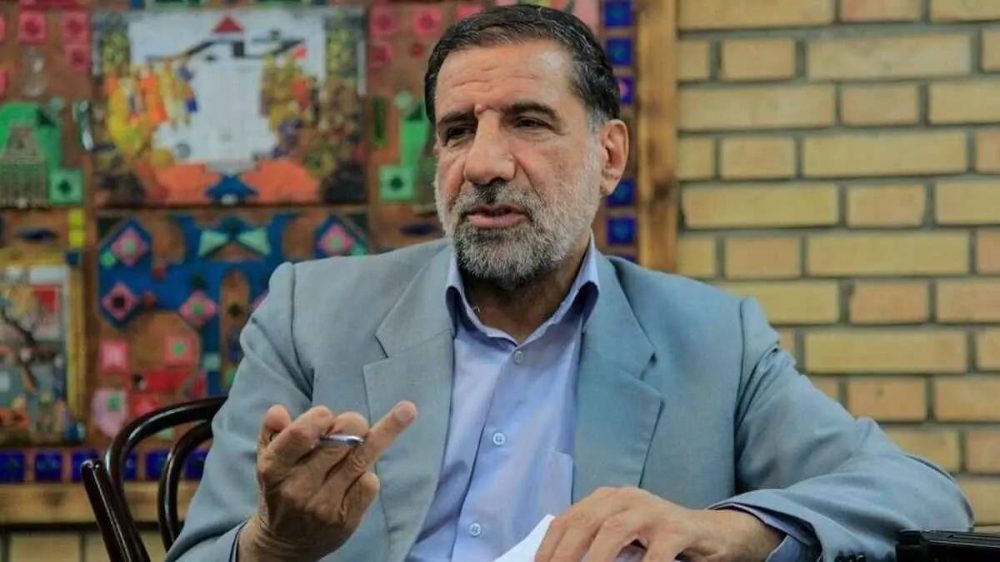
كوثري


تابع قناة عكاظ على الواتساب
«عكاظ» (طهران، جدة) okaz_online@
As the anticipation builds for the start of the sixth round of indirect negotiations between Iran and the United States to reach a new nuclear agreement, a member of the Iranian Parliament's National Security and Foreign Policy Committee, Ismail Kothari, revealed that Supreme Leader Ali Khamenei has formed a cohesive team overseeing the negotiations.
According to the website "Jamaran," Kothari stated during an interview: "This team determines the general policies that are handed over to the negotiating team," noting that before each round, the negotiation delegation meets with the National Security Committee in Parliament and Khamenei's team to discuss and formulate opinions, so that the delegation, led by Foreign Minister Abbas Araghchi, goes to the nuclear talks with a clear framework.
He added that upon the delegation's return, they provide a detailed report, which offers clarity in the decision-making process.
The Iranian parliamentarian warned of signs of "American ambitions" in the negotiations, saying: "Although the other party has expressed a desire to negotiate, indicators of their ambitions have begun to gradually emerge, including their demands that the nuclear program reach zero, and that there be no uranium enrichment." Kothari questioned: "If we are not to enrich, then why are you enriching?"
He criticized the United States for expanding sanctions during the negotiations, stating, "What we say is that both sides should deal fairly. We provide a guarantee that we will never move towards nuclear weapons, and the International Atomic Energy Agency can oversee our activities permanently. In return, we expect the lifting of sanctions."
The Iranian Foreign Ministry announced that it had received a written American proposal regarding the nuclear file, and that it would respond in a manner that considers the country's interests. Informed sources revealed that the proposal included the idea of establishing a regional union outside Iran for uranium enrichment for peaceful purposes.
Since April 12, the American and Iranian sides have held five rounds of indirect negotiations mediated by Oman, which were described as positive, but the issue of allowing Iran to enrich uranium on its territory has formed the "sticking point."
According to the website "Jamaran," Kothari stated during an interview: "This team determines the general policies that are handed over to the negotiating team," noting that before each round, the negotiation delegation meets with the National Security Committee in Parliament and Khamenei's team to discuss and formulate opinions, so that the delegation, led by Foreign Minister Abbas Araghchi, goes to the nuclear talks with a clear framework.
He added that upon the delegation's return, they provide a detailed report, which offers clarity in the decision-making process.
The Iranian parliamentarian warned of signs of "American ambitions" in the negotiations, saying: "Although the other party has expressed a desire to negotiate, indicators of their ambitions have begun to gradually emerge, including their demands that the nuclear program reach zero, and that there be no uranium enrichment." Kothari questioned: "If we are not to enrich, then why are you enriching?"
He criticized the United States for expanding sanctions during the negotiations, stating, "What we say is that both sides should deal fairly. We provide a guarantee that we will never move towards nuclear weapons, and the International Atomic Energy Agency can oversee our activities permanently. In return, we expect the lifting of sanctions."
The Iranian Foreign Ministry announced that it had received a written American proposal regarding the nuclear file, and that it would respond in a manner that considers the country's interests. Informed sources revealed that the proposal included the idea of establishing a regional union outside Iran for uranium enrichment for peaceful purposes.
Since April 12, the American and Iranian sides have held five rounds of indirect negotiations mediated by Oman, which were described as positive, but the issue of allowing Iran to enrich uranium on its territory has formed the "sticking point."


