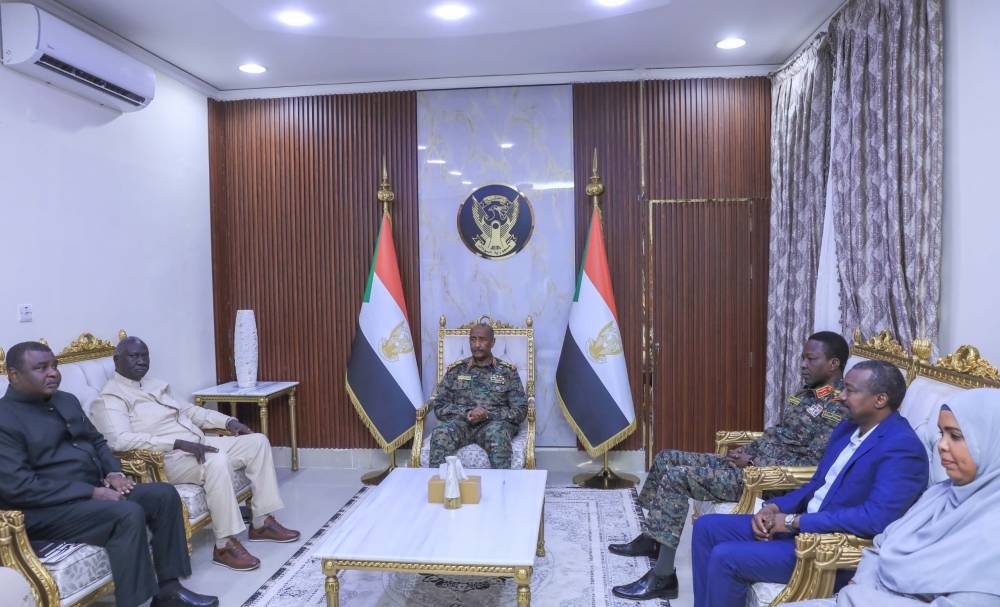
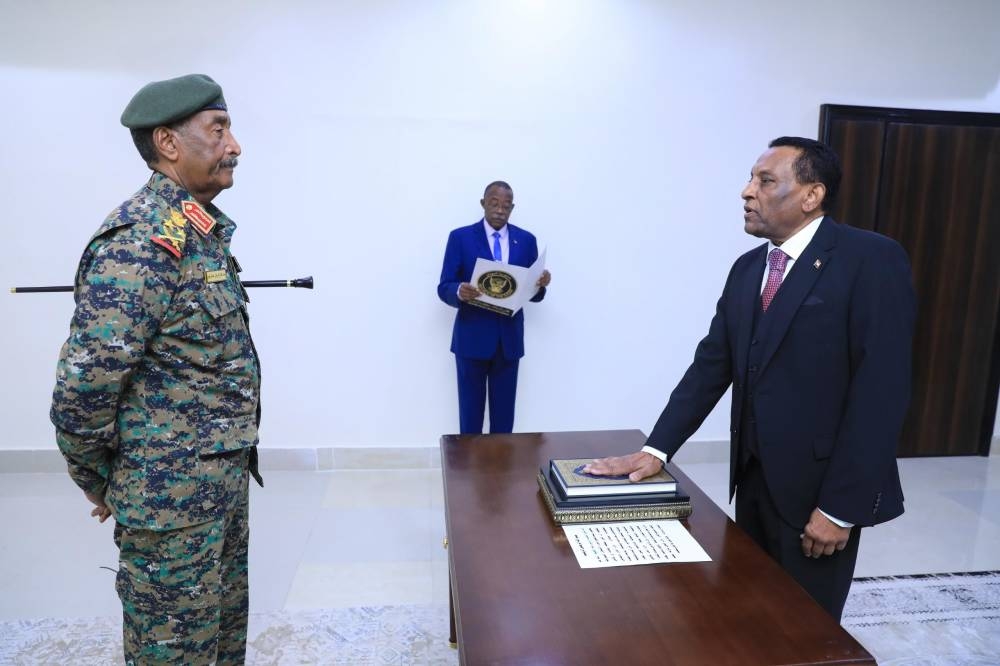
أدى رئيس الوزراء السوداني الجديد كامل الطيب إدريس اليوم (السبت) اليمين الدستورية أمام رئيس مجلس السيادة وقائد الجيش عبد الفتاح البرهان، وبحسب وكالة السودان للأنباء السودانية (سونا)، فإن رئيس وأعضاء مجلس السيادة الانتقالي عقدوا اجتماعاً مع كامل إدريس.
وأوضحت الوكالة أن اللقاء تناول الجهود التي قامت بها الحكومة خلال المرحلة الماضية في تحقيق الاستقرار الاقتصادي، وتأمين معاش الناس فضلاً عن تطبيع الحياة في الولايات التي تأثرت باعتداءات الدعم السريع.
وقال البرهان خلال اللقاء إنه يعتزم استكمال خارطة الطريق التي بدأها المجلس وعلى استكمال متطلبات الفترة الانتقالية، مشدداً على أن المنظومة الأمنية والعسكرية تعمل بشكل موحد من أجل وحدة السودان ودحر «التمرد».
ووصل كامل الطيب إدريس إلى بورتسودان في شرق البلاد، الخميس الماضي، تمهيداً لتولي مهماته رسمياً، وذلك بعد ساعات من إصدار مجلس السيادة قراراً بإلغاء التوجيه السابق بإشراف أعضائه على الوزارات والوحدات الحكومية، ما يمنح رئيس الحكومة حزمة من الصلاحيات الواسعة.
وكان البرهان قد أعلن تعيين إدريس رئيساً للوزراء، وذلك بعد أن تعهد في فبراير الماضي بتعيين حكومة انتقالية لا تنتمي لأي أحزاب سياسية.
وولد رئيس الوزراء السوداني الجديد عام 1954 في قرية الزورات شمال دنقلا، والتي تقع في شمال السودان، وهو ينتمي إلى مجتمع النوبة، وحصل على بكالوريوس في الفلسفة من جامعة القاهرة في مصر، وليسانس الحقوق من جامعة الخرطوم، وعلى درجة الدكتوراه في القانون الدولي من المعهد العالي للدراسات الدولية بجامعة جنيف في سويسرا، ولديه عدة شهادات في القانون والعلوم السياسية والشؤون الدولية والمالية من معاهد عليا في جنيف.
ويُعرف عن كامل إدريس بأنه متخصص في القانون، وسبق أن شغل منصب مدير المنظمة الدولية للملكية الفكرية، ورغم عدم وجود انتماء حزبي معروف له، لكنه في العام 1999، أفلح في الجمع بين الخصمين اللدودين، الصادق المهدي رئيس الوزراء السابق، و القيادي الإخواني حسن الترابي، وذلك خلال لقاء في جنيف.
ويواجه رئيس الوزراء السوداني الجديد مهمات شديدة التعقيد، لا سيما ما يتعلق باختيار الوزراء وتنحية المحاصصة بين القوى السياسية، والتركيز على شخصيات مستقلة من كفاءات، وإيجاد الحلول للخدمات المنهارة والوضع الاقتصادي المتراجع في البلاد، بما يشمل القطاع الصحي وخاصة انتشار مرض الكوليرا. كما سيكون عليه تفادي تأثير قادة الجيش عليه، والعمل على تقريب وجهات النظر بين كتل سياسية شديدة التنافر.
The new Sudanese Prime Minister, Kamal Al-Tayeb Idris, took the constitutional oath today (Saturday) before the Chairman of the Sovereign Council and Army Commander Abdel Fattah Al-Burhan. According to the Sudanese News Agency (SUNA), the Chairman and members of the Transitional Sovereign Council held a meeting with Kamal Idris.
The agency clarified that the meeting addressed the efforts made by the government during the past phase to achieve economic stability, secure people's livelihoods, and normalize life in the states affected by the Rapid Support Forces' attacks.
Al-Burhan stated during the meeting that he intends to complete the roadmap initiated by the council and fulfill the requirements of the transitional period, emphasizing that the security and military system operates in unison for the unity of Sudan and to defeat "rebellion."
Kamal Al-Tayeb Idris arrived in Port Sudan in the east of the country last Thursday, in preparation for officially assuming his duties, just hours after the Sovereign Council issued a decision to cancel the previous directive overseeing its members' management of ministries and government units, granting the Prime Minister a wide range of powers.
Al-Burhan had announced Idris's appointment as Prime Minister after pledging in February to form a transitional government that does not belong to any political parties.
The new Sudanese Prime Minister was born in 1954 in the village of Al-Zourat, north of Dongola, located in northern Sudan. He belongs to the Nubian community and holds a Bachelor's degree in Philosophy from Cairo University in Egypt, a Bachelor's in Law from the University of Khartoum, and a Ph.D. in International Law from the Graduate Institute of International Studies at the University of Geneva in Switzerland. He also has several certificates in law, political science, international affairs, and finance from prestigious institutes in Geneva.
Kamal Idris is known to be a legal expert and previously served as the Director of the World Intellectual Property Organization. Although he does not have a known party affiliation, he succeeded in bringing together the two fierce rivals, former Prime Minister Sadiq Al-Mahdi and the Islamist leader Hassan Al-Turabi, during a meeting in Geneva in 1999.
The new Sudanese Prime Minister faces highly complex tasks, particularly regarding the selection of ministers and eliminating power-sharing among political forces, focusing on independent figures with competencies, and finding solutions to the collapsed services and the deteriorating economic situation in the country, including the health sector, especially the spread of cholera. He will also need to avoid the influence of military leaders over him and work to bridge the gaps between highly polarized political blocs.