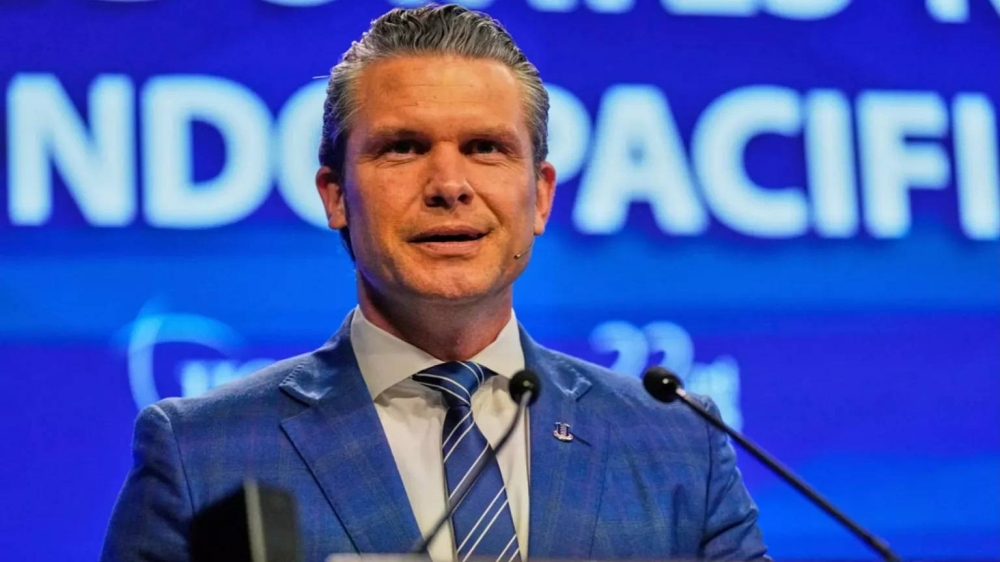
ندّدت سفارة الصين في سنغافورة، اليوم (السبت)، بخطاب وزير الدفاع الأمريكي الذي حذّر فيه من طموحات بكين العسكرية في آسيا، ووصفته بأنه «استفزازي وتحريضي».
ونفى ممثل الصين في المنتدى، الأميرال هو غانغ فينغ اليوم الاتهامات التي لا أساس لها، والتي تهدف إلى زرع الفتنة والمساهمة في الانقسامات والتحريض على المواجهة وزعزعة استقرار منطقة آسيا والمحيط الهادئ.
ولقيت كلمة هيغسيث انتقاداً من بعض المحللين الصينيين في المنتدى، ووصف مدير مركز الأمن الدولي والاستراتيجية في جامعة تسينغهوا دا وي الخطاب بـ«غير الودود للغاية» والـ«تصادمي للغاية».
واتهم دا واشنطن باعتماد معايير مزدوجة لجهة مطالبة الصين باحترام جيرانها، بينما تقوم هي بمضايقة جيرانها مثل كندا وغرينلاند.
وكان وزير الدفاع الأمريكي بيت هيغسيث قد حذّر في وقت سابق من اليوم من أن الصين تستعد لاستخدام القوة العسكرية لتغيير ميزان القوى في آسيا، موضحاً أن بلاده ستبقى إلى جانب حلفائها في منطقة المحيطين الهندي والهادي.
وقال هيغسيث خلال منتدى أمني سنوي في سنغافورة: «إن الصين مستعدة لاستخدام القوة للسيطرة على أجزاء من آسيا، مبيناً إن التهديد الذي تشكله الصين حقيقي وقد يكون وشيكاً».
وأشار الى أن بكين تستعد بصورة موثوقة لاستخدام محتمل للقوة العسكرية لتغيير ميزان القوى في منطقة المحيطين الهندي والهادي، محذّراً من أن الجيش الصيني يعمل على بناء القدرات لاجتياح تايوان «ويتدرب» على ذلك فعلياً.
ولفت هيغسيث إلى أن الولايات المتحدة تعيد توجيه نفسها من أجل ردع عدوان الصين، داعياً حلفاء بلاده وشركاءها في آسيا إلى الإسراع في رفع الإنفاق في المجال الدفاعي في مواجهة التهديدات المتزايدة.
واعتبر هيغسيث التصرفات الصينية بمثابة «جرس إنذار»، متهماً بكين بالضلوع في هجمات سيبرانية ومضايقة جيرانها، وصولاً الى مصادرة أراضٍ وتحويلها للاستخدام العسكري بشكل غير قانوني في بحر الصين الجنوبي.
وتشهد العلاقات بين واشنطن وبكين توترات في ملفات عدة، منها التجارة والتكنولوجيا والنفوذ في مناطق استراتيجية في العالم، خصوصاً بعد عودة الرئيس الأمريكي دونالد ترمب إلى البيت الأبيض في يناير الماضي وإطلاقه صراعاً تجاريّاً مع الصين يقوم على رفع التعريفات الجمركية، كما يعمل على تقييد حصولها على التقنيات الأمريكية في مجال الذكاء الاصطناعي، ويواصل تعزيز العلاقات مع أطراف إقليمية على تباين مع بكين مثل الفلبين.
تأتي تصريحات الوزير الأمريكي بعد ساعات من تلميح ترمب إلى تجدد التوترات التجارية مع الصين، متهماً إياها بـ«انتهاك» اتفاق يهدف إلى خفض التصعيد في ما يتعلق بالرسوم الجمركية. وتوقع ترمب أن يتحدّث قريباً إلى الرئيس الصيني شي جين بينغ.
The Chinese Embassy in Singapore condemned today (Saturday) the speech of the U.S. Secretary of Defense, who warned of Beijing's military ambitions in Asia, describing it as "provocative and inciting."
China's representative at the forum, Admiral Hu Gangfeng, denied today the baseless accusations aimed at sowing discord and contributing to divisions, inciting confrontation, and destabilizing the Asia-Pacific region.
Hu's speech received criticism from some Chinese analysts at the forum, with Dai Wei, director of the International Security and Strategy Center at Tsinghua University, describing it as "very unfriendly" and "highly confrontational."
Dai accused Washington of double standards in demanding that China respect its neighbors while it itself harasses neighbors like Canada and Greenland.
U.S. Secretary of Defense Pete Hegseth had earlier warned today that China is preparing to use military force to change the balance of power in Asia, stating that his country will stand by its allies in the Indo-Pacific region.
Hegseth said during an annual security forum in Singapore: "China is ready to use force to control parts of Asia, indicating that the threat posed by China is real and may be imminent."
He pointed out that Beijing is reliably preparing for a potential use of military force to change the balance of power in the Indo-Pacific region, warning that the Chinese military is building capabilities to invade Taiwan and is actually "training" for that.
Hegseth noted that the United States is redirecting itself to deter China's aggression, calling on its allies and partners in Asia to accelerate defense spending in the face of increasing threats.
He considered China's actions as a "wake-up call," accusing Beijing of being involved in cyberattacks and harassing its neighbors, up to the point of illegally seizing land and converting it for military use in the South China Sea.
Relations between Washington and Beijing are experiencing tensions on several fronts, including trade, technology, and influence in strategic regions around the world, especially after U.S. President Donald Trump returned to the White House last January and launched a trade war with China based on raising tariffs, while also working to restrict its access to American technologies in the field of artificial intelligence, and continuing to strengthen relations with regional parties that differ from Beijing, such as the Philippines.
The U.S. Secretary's remarks come hours after Trump hinted at renewed trade tensions with China, accusing it of "violating" an agreement aimed at de-escalating tariff issues. Trump expected to speak soon with Chinese President Xi Jinping.