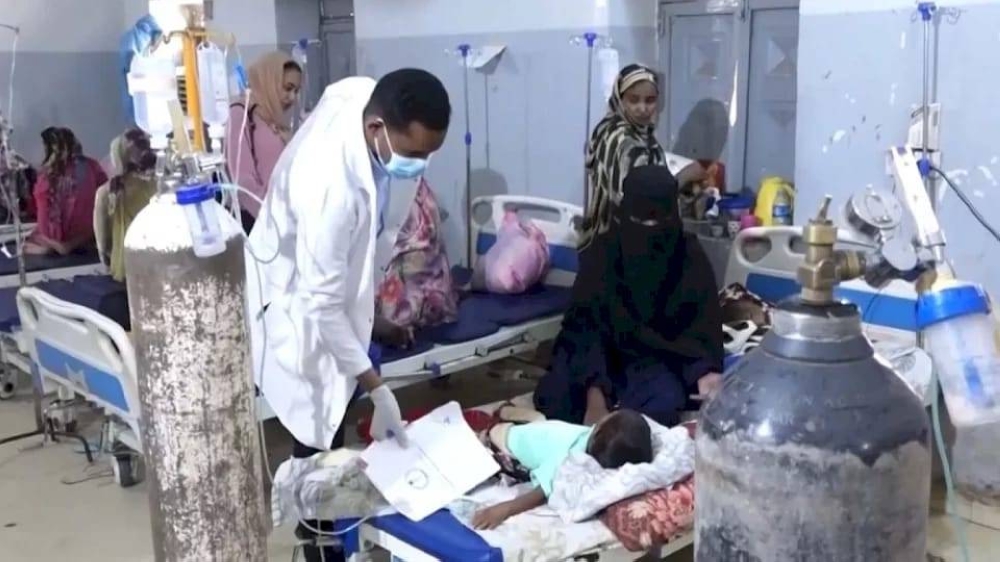
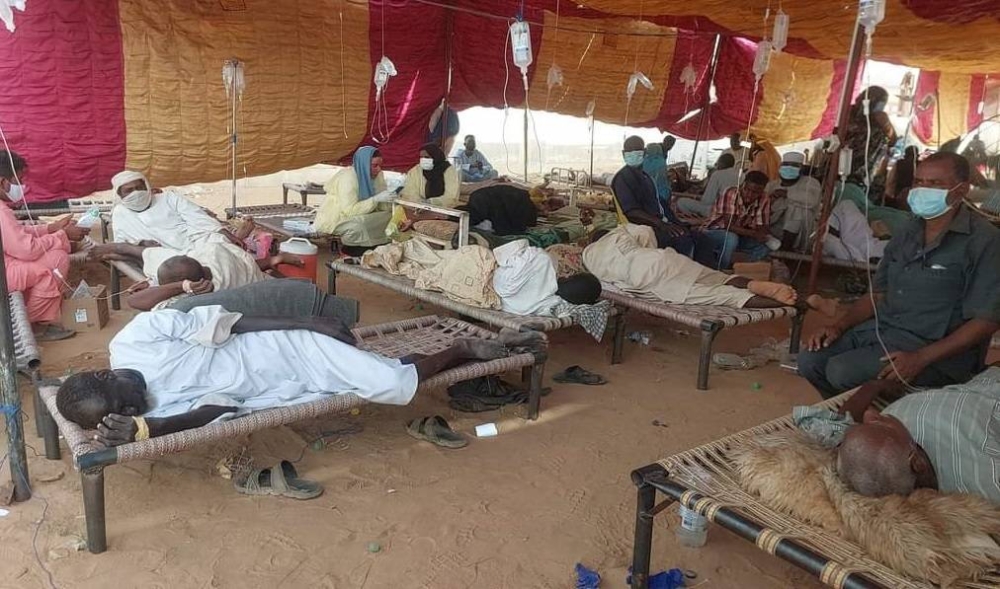
في خضم الحرب المستمرة منذ أبريل 2023، يواجه السودان كارثة صحية متفاقمة مع انتشار وباء «الكوليرا» بسرعة مخيفة، مما يضع ملايين الأرواح على المحك، حيث شهدت البلاد ارتفاعًا مقلقًا في حالات الإصابة تخطت 61 ألف إصابة مؤكدة و1632 وفاة جراء الوباء في عموم البلاد.
وبحسب وزارة الصحة السودانية، تصدرت العاصمة الخرطوم الولايات التي سجلت انتشار الوباء ما بين 600 إلى 700 إصابة أسبوعيًا خلال الأسابيع الأخيرة، إضافة إلى ولايات الجزيرة وسنار وشمال كردفان، بينما تعالت أصوات تطالب بإعلان الطوارئ الصحية العاجلة، بحسب ما ذكرته وسائل إعلام سودانية.
21 شهرا من الاقتتال في السودان
يأتي تفشي «الكوليرا» المروع في ظل الحرب الأهلية المستمرة منذ أبريل 2023 بين القوات المسلحة السودانية وقوات الدعم السريع، والتي أدت إلى تدمير البنية التحتية الصحية وأنظمة المياه والصرف الصحي، مما جعل السودان أرضًا خصبة لانتشار الأمراض المعدية.
وشهدت الخرطوم، التي تستضيف ملايين النازحين في ظروف مزرية، تصاعدًا حادًا في الحالات، حيث أفادت شبكة أطباء السودان بتسجيل 183 حالة إصابة في مستشفى النو بأم درمان وحده، إلى جانب مستشفيات بشاير والبان الجديد، وأشارت تقارير إلى أن 90% من الإصابات الجديدة والوفيات تتركز في الخرطوم، حيث أدى انقطاع التيار الكهربائي وشح المياه النظيفة إلى اعتماد السكان على مياه ملوثة، مما يفاقم الأزمة.
تلوث المياه يهدد بكارثة صحية
تُعزى الأسباب الرئيسية لهذا التفشي إلى تدمير البنية التحتية نتيجة النزاع، حيث توقفت محطات معالجة المياه، مثل محطة مياه كوستي، بعد هجمات قوات الدعم السريع، مما أجبر السكان على استخدام مياه النيل الملوثة، كما أدى نزوح أكثر من 12 مليون شخص، معظمهم في مخيمات مكتظة تفتقر إلى النظافة، إلى زيادة مخاطر الإصابة.
وردًا على هذا الوضع، أطلقت السلطات السودانية حملات تطعيم في ولايات مثل النيل الأبيض وكسلا، بدعم من منظمة الصحة العالمية ويونيسيف، التي وفرت 404,000 جرعة من لقاح الكوليرا في سبتمبر 2024، ومع ذلك، يعيق نقص اللقاحات والتحديات اللوجستية، بما في ذلك الطرق المتضررة بالفيضانات والقيود الأمنية، جهود السيطرة على الوباء.
تحذيرات من كارثة صحية واسعة
وأفادت منظمة أطباء بلا حدود بأن مراكز العلاج في الخرطوم وأم درمان مكتظة، مع نقص حاد في الأدوية والإمدادات الطبية، محذرة من «كارثة صحية وشيكة» إذا لم تُتخذ إجراءات عاجلة، بجانب دعوات لتوفير تمويل دولي مستدام، وإعادة بناء البنية التحتية الصحية، وتكثيف حملات التطعيم.
وطالبت منظمات إنسانية، بما في ذلك شبكة أطباء السودان، بإعلان حالة الطوارئ الصحية الوطنية لمواجهة هذا الوباء، محذرة من أن الأعداد قد تصل إلى مستويات كارثية دون تدخل دولي عاجل، وتشير التقديرات إلى أن 3.1 مليون شخص، بينهم 500,000 طفل دون سن الخامسة، معرضون لخطر الإصابة بالكوليرا في المناطق عالية المخاطر.
تُعد هذه الأزمة جزءًا من أكبر كارثة إنسانية في العالم، حيث تسبب الصراع في مقتل عشرات الآلاف وتشريد الملايين، مع تفاقم الجوع والمجاعة في مناطق مثل دارفور وجنوب كردفان، وفي ظل هذه الظروف القاسية، يبقى السودان في حاجة ماسة إلى تدخل دولي عاجل لاحتواء الكوليرا وإنقاذ ملايين الأرواح.
In the midst of the ongoing war since April 2023, Sudan is facing a worsening health disaster with the rapid spread of the cholera epidemic, putting millions of lives at risk, as the country has witnessed a concerning rise in confirmed cases exceeding 61,000 infections and 1,632 deaths due to the epidemic nationwide.
According to the Sudanese Ministry of Health, the capital Khartoum topped the states that recorded the spread of the epidemic, with between 600 to 700 cases weekly in recent weeks, in addition to the states of Al-Jazeera, Sennar, and North Kordofan, while voices have risen calling for an urgent declaration of a health emergency, as reported by Sudanese media.
21 months of fighting in Sudan
The horrific outbreak of cholera comes amid the ongoing civil war since April 2023 between the Sudanese Armed Forces and the Rapid Support Forces, which has led to the destruction of health infrastructure and water and sanitation systems, making Sudan a fertile ground for the spread of infectious diseases.
Khartoum, which hosts millions of displaced people in dire conditions, has seen a sharp rise in cases, with the Sudan Doctors Network reporting 183 cases in Al-No Hospital in Omdurman alone, alongside Bashayer and Al-Ban Al-Jadid hospitals. Reports indicated that 90% of new infections and deaths are concentrated in Khartoum, where power outages and a shortage of clean water have forced residents to rely on contaminated water, exacerbating the crisis.
Water contamination threatens a health disaster
The main causes of this outbreak are attributed to the destruction of infrastructure due to the conflict, as water treatment plants, such as the Kosti Water Station, have stopped operating following attacks by the Rapid Support Forces, forcing residents to use contaminated Nile water. Additionally, the displacement of more than 12 million people, most of whom are in overcrowded camps lacking sanitation, has increased the risk of infection.
In response to this situation, Sudanese authorities launched vaccination campaigns in states like White Nile and Kassala, supported by the World Health Organization and UNICEF, which provided 404,000 doses of cholera vaccine in September 2024. However, a lack of vaccines and logistical challenges, including flood-damaged roads and security restrictions, hinder efforts to control the epidemic.
Warnings of a widespread health disaster
Doctors Without Borders reported that treatment centers in Khartoum and Omdurman are overcrowded, with a severe shortage of medicines and medical supplies, warning of an "imminent health disaster" if urgent actions are not taken, alongside calls for sustainable international funding, rebuilding health infrastructure, and intensifying vaccination campaigns.
Humanitarian organizations, including the Sudan Doctors Network, have called for a national health emergency to confront this epidemic, warning that numbers could reach catastrophic levels without urgent international intervention. Estimates indicate that 3.1 million people, including 500,000 children under the age of five, are at risk of contracting cholera in high-risk areas.
This crisis is part of the largest humanitarian disaster in the world, with the conflict causing the deaths of tens of thousands and displacing millions, while hunger and famine worsen in areas like Darfur and South Kordofan. Under these harsh conditions, Sudan remains in urgent need of international intervention to contain cholera and save millions of lives.