


يبدو أن العلاقة بين الرئيس الأمريكي دونالد ترمب ورئيس وزراء الاحتلال الإسرائيلي بنيامين نتنياهو، تسير في منعطف استثنائي من التوتر والخلافات التي باتت تهدد بنسف التحالف «الإستراتيجي» بينهما. وكشفت مكالمة هاتفية وصفت بأنها «انفجار صامت» عن تحول دراماتيكي في العلاقة بين الحليفين. وأفصح موقع «والا» الإسرائيلي، أن المكالمة بين ترمب ونتنياهو لم تكن روتينية، ولكنها جاءت مباشرة وشديدة اللهجة.
وحسب التسريبات، فقد طلب ترمب من نتنياهو بشكل واضح «الامتناع عن اتخاذ أي خطوات قد تؤدي إلى إفشال مسار التفاوض مع إيران»، مؤكدا أن الولايات المتحدة تسعى إلى حل دبلوماسي شامل، دون استبعاد الخيارات الأخرى.
ونقلت «سكاي نيوز عربية» عن مصدر دبلوماسي قوله: إن البيت الأبيض يخطط لـ«صفقة رهائن» تشمل وقف إطلاق النار في غزة لتحقيق إنجاز سياسي يعكس قدرة الرئيس ترمب على إدارة الأزمات دون التورط في حروب مفتوحة.
وأضاف المصدر أن هذا المخطط اصطدم مباشرة بقراءة نتنياهو الأمنية التي تصر على أن استعادة الرهائن لا يمكن أن تتم دون «تحقيق نصر عسكري شامل»، ما دفعه إلى توسيع نطاق العمليات وتعبئة أكثر من 450 ألف جندي احتياط، وإعداد خطة عسكرية موسعة، في مؤشر على التصعيد.
واعتبر مارك كيميت، أحد أبرز وجوه المؤسسة العسكرية والدبلوماسية الأمريكية، أن ما يجري بين الرئيس الأمريكي ورئيس حكومة إسرائيل ليس خلافا عابرا، بل صدام رؤى بين «رجل يؤمن بالصفقات» وآخر «يؤمن بالردع عبر القوة».
ولفت إلى أن نتنياهو رجل يصعب التعامل معه، ولديه قناعة بأنه يعرف مصلحة إسرائيل أكثر من أي جهة أخرى، فيما لايرى ترمب في الحروب حلا بل كارثة، ويريد إيقافها لا إشعالها.
ورأى أن ملف الرهائن يعد أحد أبرز نقاط الخلاف بينهما، إذ يسعى ترمب إلى صفقة تبادل تشمل وقف إطلاق النار، فيما يعتقد نتنياهو أن التفاوض بشأن الرهائن يمثل خضوعا، ويصر على أن تحريرهم عبر العمليات العسكرية..
وأفاد كيميت بأن الرئيس الأمريكي يحاول استخدام ورقة الرهائن رافعة لإطلاق مسار دبلوماسي أوسع، يشمل التهدئة في غزة والتفاوض مع طهران، ما يفسر تكثيف الضغوط الأمريكية على إسرائيل لعدم انهيار هذا المسار.
وفي الشأن الإيراني، يبدو الخلاف أعمق، فالإدارة الأمريكية تسعى إلى «تفاوض جديد بشروط أقسى»، مع الإبقاء على خيار «الضغوط القصوى» حال فشل المساعي الدبلوماسية، إلا أن حكومة تل أبيب ترفض هذا المسار، بل وترى في التفاوض مع إيران «تنازلا إستراتيجيا»، وتصر على تفكيك البرنامج النووي الإيراني.
وفيما يخطط ترمب لإعادة ترتيب الأوراق الأمريكية في المنطقة، يعتقد مراقبون سياسيون أن دائرة الخلافات مع نتنياهو تتمدد لتشمل اتفاق الهدنة مع الحوثيين، الرفع المؤقت للعقوبات عن سورية، الانفتاح الحذر على أنقرة، وهو ما أثار حفيظة دوائر القرار في إسرائيل.
لكن السؤال: هل يتخلى ترمب عن الحليف الإسرائيل؟ الإجابة: لا، إلا أن واشنطن تعيد خلط الأوراق في الشرق الأوسط خدمة لمصالحها وإستراتيجياتها، وبما لايؤدي إلى انهيار العلاقة بينهما.
بعد مكالمة «الانفجار الصامت»
ترمب - نتنياهو.. خلاف عابر أم صدام قادم ؟!
28 مايو 2025 - 13:39
|
آخر تحديث 28 مايو 2025 - 13:39
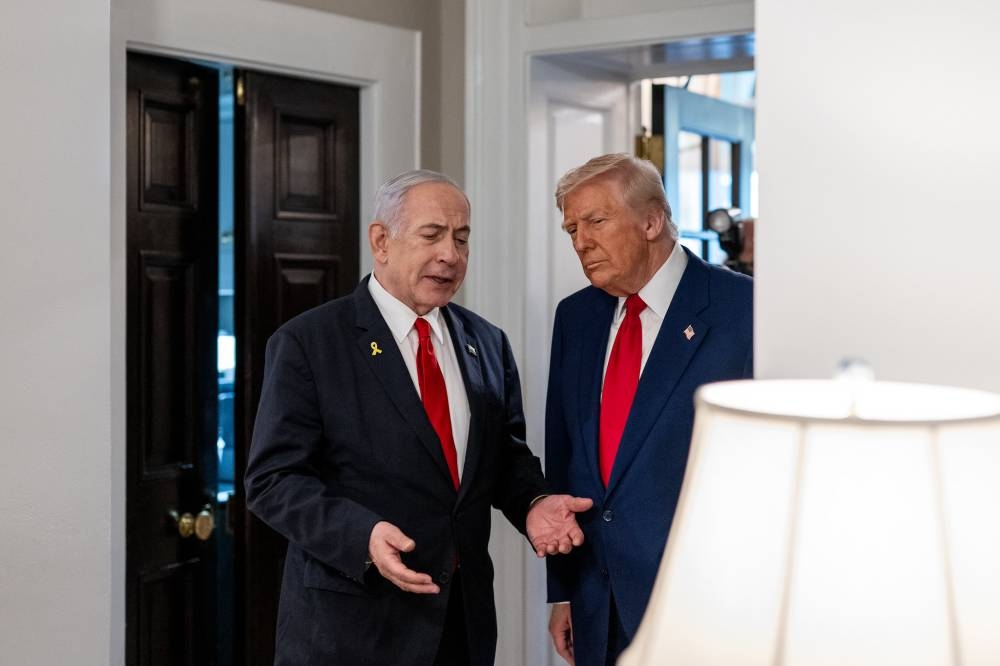
ترمب ونتنياهو


تابع قناة عكاظ على الواتساب
«عكاظ» (جدة) okaz_online@
It seems that the relationship between U.S. President Donald Trump and Israeli Prime Minister Benjamin Netanyahu is heading into an exceptional turning point of tension and disagreements that threaten to undermine their "strategic" alliance. A phone call described as a "silent explosion" revealed a dramatic shift in the relationship between the two allies. The Israeli website "Walla" disclosed that the call between Trump and Netanyahu was not routine, but rather direct and strongly worded.
According to leaks, Trump clearly asked Netanyahu to "refrain from taking any steps that could sabotage the negotiation process with Iran," emphasizing that the United States is seeking a comprehensive diplomatic solution, without excluding other options.
"Sky News Arabia" quoted a diplomatic source saying that the White House is planning a "hostage deal" that includes a ceasefire in Gaza to achieve a political accomplishment reflecting President Trump's ability to manage crises without getting involved in open wars.
The source added that this plan directly clashed with Netanyahu's security assessment, which insists that the recovery of hostages cannot occur without "achieving a comprehensive military victory," prompting him to expand operations and mobilize more than 450,000 reservists, and prepare an extensive military plan, indicating an escalation.
Mark Kimmitt, one of the prominent figures in the American military and diplomatic establishment, considered that what is happening between the U.S. president and the Israeli prime minister is not a passing disagreement, but a clash of visions between "a man who believes in deals" and another "who believes in deterrence through force."
He pointed out that Netanyahu is a difficult man to deal with, and he is convinced that he knows Israel's interests better than anyone else, while Trump does not see wars as a solution but as a disaster, wanting to stop them rather than ignite them.
Kimmitt viewed the hostage issue as one of the main points of contention between them, as Trump seeks a swap deal that includes a ceasefire, while Netanyahu believes that negotiating over hostages represents submission and insists on their liberation through military operations.
Kimmitt stated that the U.S. president is trying to use the hostage issue as leverage to launch a broader diplomatic process, which includes calming the situation in Gaza and negotiating with Tehran, explaining the intensification of American pressure on Israel to prevent the collapse of this process.
Regarding Iran, the disagreement appears to be deeper, as the U.S. administration seeks "new negotiations under harsher terms," while keeping the "maximum pressure" option in case diplomatic efforts fail. However, the Tel Aviv government rejects this path and sees negotiating with Iran as a "strategic concession," insisting on dismantling the Iranian nuclear program.
While Trump plans to rearrange American cards in the region, political observers believe that the circle of disagreements with Netanyahu is expanding to include the ceasefire agreement with the Houthis, the temporary lifting of sanctions on Syria, and cautious openness to Ankara, which has raised concerns among decision-making circles in Israel.
But the question is: Will Trump abandon the Israeli ally? The answer is: No, but Washington is reshuffling the cards in the Middle East to serve its interests and strategies, without leading to the collapse of their relationship.
According to leaks, Trump clearly asked Netanyahu to "refrain from taking any steps that could sabotage the negotiation process with Iran," emphasizing that the United States is seeking a comprehensive diplomatic solution, without excluding other options.
"Sky News Arabia" quoted a diplomatic source saying that the White House is planning a "hostage deal" that includes a ceasefire in Gaza to achieve a political accomplishment reflecting President Trump's ability to manage crises without getting involved in open wars.
The source added that this plan directly clashed with Netanyahu's security assessment, which insists that the recovery of hostages cannot occur without "achieving a comprehensive military victory," prompting him to expand operations and mobilize more than 450,000 reservists, and prepare an extensive military plan, indicating an escalation.
Mark Kimmitt, one of the prominent figures in the American military and diplomatic establishment, considered that what is happening between the U.S. president and the Israeli prime minister is not a passing disagreement, but a clash of visions between "a man who believes in deals" and another "who believes in deterrence through force."
He pointed out that Netanyahu is a difficult man to deal with, and he is convinced that he knows Israel's interests better than anyone else, while Trump does not see wars as a solution but as a disaster, wanting to stop them rather than ignite them.
Kimmitt viewed the hostage issue as one of the main points of contention between them, as Trump seeks a swap deal that includes a ceasefire, while Netanyahu believes that negotiating over hostages represents submission and insists on their liberation through military operations.
Kimmitt stated that the U.S. president is trying to use the hostage issue as leverage to launch a broader diplomatic process, which includes calming the situation in Gaza and negotiating with Tehran, explaining the intensification of American pressure on Israel to prevent the collapse of this process.
Regarding Iran, the disagreement appears to be deeper, as the U.S. administration seeks "new negotiations under harsher terms," while keeping the "maximum pressure" option in case diplomatic efforts fail. However, the Tel Aviv government rejects this path and sees negotiating with Iran as a "strategic concession," insisting on dismantling the Iranian nuclear program.
While Trump plans to rearrange American cards in the region, political observers believe that the circle of disagreements with Netanyahu is expanding to include the ceasefire agreement with the Houthis, the temporary lifting of sanctions on Syria, and cautious openness to Ankara, which has raised concerns among decision-making circles in Israel.
But the question is: Will Trump abandon the Israeli ally? The answer is: No, but Washington is reshuffling the cards in the Middle East to serve its interests and strategies, without leading to the collapse of their relationship.


