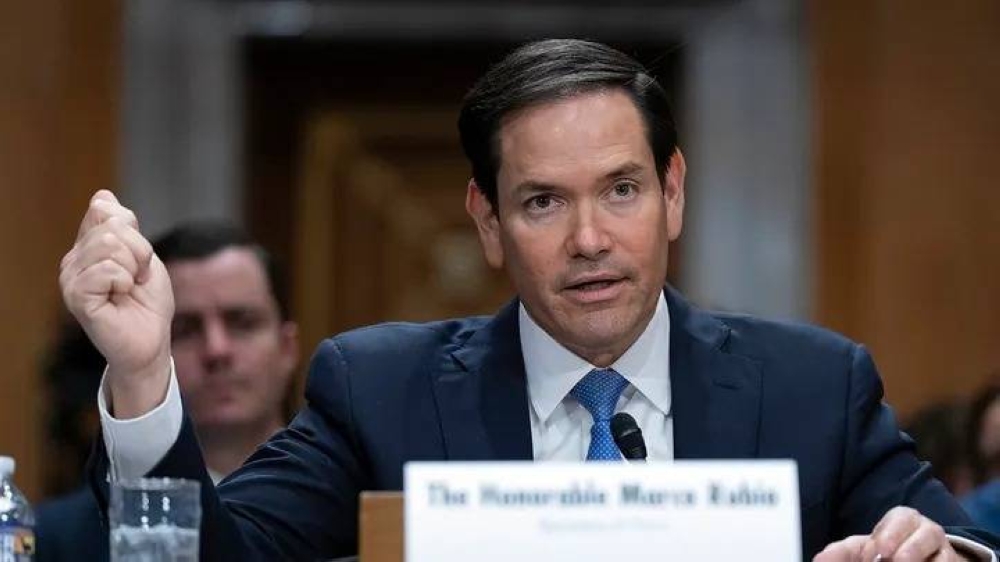
حذّر وزير الخارجية الأمريكي ماركو روبيو من أن قراراً قضائياً صادراً عن القاضي الفيدرالي بريان ميرفي في ولاية ماساتشوستس، الذي يمنع ترحيل مهاجرين ارتكبوا جرائم إلى جنوب السودان، سيُسبب ضرراً كبيراً لا يمكن إصلاحه للسياسة الخارجية الأمريكية.
جاء هذا التحذير بعد أن أوقف القاضي ميرفي، الثلاثاء الماضي، رحلة ترحيل كانت تحمل 8 مهاجرين من ميانمار ولاوس وفيتنام وكوبا والمكسيك وجنوب السودان، مشيراً إلى أن الرحلة تنتهك أمراً قضائياً سابقاً صدر في أبريل 2025، يمنح المرحلين فرصة للطعن في قرار إرسالهم إلى دولة غير بلدهم الأصلي.
وفي خطوة عاجلة، تقدمت إدارة ترمب، مساء الجمعة الماضية، بوثيقتين قضائيتين إلى المحكمة، تطالب الأولى بإعادة النظر في قرار القاضي، بينما دعت الثانية إلى تعليق الحكم القضائي.
وأكدت وزارة العدل الأمريكية، في تصريحات لشبكة «فوكس نيوز»، أن هذا الوضع يتطلب تدخلاً قضائياً عاجلاً لاستعادة السلطة الكاملة للرئيس ترمب بموجب المادة الثانية من الدستور لإدارة السياسة الخارجية.
وأشارت الوزارة إلى أن المرحلين، الذين وصفتهم بـ«المجرمين الخطرين»، حصلوا على جميع حقوقهم القانونية في الولايات المتحدة وتمت إزالتهم بشكل قانوني، لكنهم لم يعبروا عن خوفهم من العودة إلى جنوب السودان، وهو ما كان سيمنحهم إجراءات إضافية بموجب الأمر القضائي.
وأوضح روبيو أن قرار المحكمة قد أثر سلباً على العلاقات الدبلوماسية مع ليبيا وجنوب السودان وجيبوتي. في ليبيا، تسبب الحكم في تعقيد الجهود الدبلوماسية الهادئة وزيادة الانقسامات السياسية والأمنية الداخلية.
أما في جنوب السودان، فقد أشار روبيو إلى أن الحكم يهدد بتقويض الجهود لإعادة بناء علاقات عمل مثمرة مع جوبا، عاصمة جنوب السودان، التي كانت قد بدأت تتعاون بشكل أكبر مع الولايات المتحدة بعد رفضها في البداية قبول مواطن سوداني جنوبي مرحل.
وفي جيبوتي، التي تستضيف القاعدة العسكرية الأمريكية الوحيدة في أفريقيا، أكد روبيو أن القرار يتسبب في ضرر كبير، حيث يتم احتجاز المرحلين مؤقتاً في قاعدة بحرية أمريكية هناك، مما يضع قيوداً غير مقبولة على قدرة الرئيس ترمب على إدارة العلاقات الخارجية وقيادة الجيش.
وكانت إدارة ترمب قد أعلنت في أبريل الماضي إلغاء تأشيرات حاملي جوازات جنوب السودان، بسبب فشل الحكومة الانتقالية في جنوب السودان في قبول عودة مواطنيها المرحلين في الوقت المناسب.
وتُبرم الولايات المتحدة اتفاقيات ترحيل مع دول ثالثة، مثل السلفادور التي استقبلت مئات المرحلين الفنزويليين، لكن قرار المحكمة يهدد بتعطيل هذه الترتيبات.
من جانبها، زعمت فرق قانونية تمثل مهاجرين من ميانمار وفيتنام أن إدارة ترمب انتهكت أمر المحكمة بترحيل موكليهم إلى دول ثالثة، مطالبين بضمان بقاء المرحلين تحت السيطرة الأمريكية لحين البت في قانونية الترحيل.
وأمر القاضي ميرفي الحكومة الأمريكية بالاحتفاظ بحراسة وتتبع المرحلين لضمان إمكانية إعادتهم إذا ثبت عدم قانونية ترحيلهم.
وتُعدّ قضايا ترحيل المهاجرين جزءاً من الجدل المستمر حول سياسات الهجرة في الولايات المتحدة، حيث تسعى إدارة ترمب إلى تسريع عمليات الترحيل، خصوصاً للأفراد الذين ارتكبوا جرائم.
ومع ذلك، تواجه هذه السياسات تحديات قانونية من منظمات حقوقية ومحاكم فيدرالية تؤكد على ضرورة منح المرحلين فرصة عادلة للطعن في قرارات الترحيل، خصوصاً إذا كانت الوجهة دولة ثالثة غير بلدهم الأصلي.
جيبوتي، بموقعها الاستراتيجي في القرن الأفريقي، تُعدّ حليفاً مهماً للولايات المتحدة، بينما تواجه جنوب السودان تحديات سياسية وأمنية داخلية تجعل قبول المرحلين مسألة معقدة.
U.S. Secretary of State Marco Rubio warned that a court ruling issued by federal judge Brian Murphy in Massachusetts, which prevents the deportation of immigrants who have committed crimes to South Sudan, will cause significant and irreparable harm to U.S. foreign policy.
This warning came after Judge Murphy halted a deportation flight last Tuesday that was carrying 8 immigrants from Myanmar, Laos, Vietnam, Cuba, Mexico, and South Sudan, indicating that the flight violated a previous court order issued in April 2025, which gives deportees the opportunity to appeal the decision to send them to a country that is not their country of origin.
In an urgent move, the Trump administration filed two legal documents with the court last Friday evening, the first requesting a reconsideration of the judge's decision, while the second called for a stay of the court ruling.
The U.S. Department of Justice confirmed in statements to Fox News that this situation requires urgent judicial intervention to restore President Trump's full authority under Article II of the Constitution to manage foreign policy.
The department noted that the deportees, whom it described as "dangerous criminals," had received all their legal rights in the United States and were removed legally, but they did not express fear of returning to South Sudan, which would have granted them additional procedures under the court order.
Rubio explained that the court's decision has negatively impacted diplomatic relations with Libya, South Sudan, and Djibouti. In Libya, the ruling complicated quiet diplomatic efforts and increased internal political and security divisions.
As for South Sudan, Rubio pointed out that the ruling threatens to undermine efforts to rebuild productive working relationships with Juba, the capital of South Sudan, which had begun to cooperate more with the United States after initially refusing to accept a deported South Sudanese citizen.
In Djibouti, which hosts the only U.S. military base in Africa, Rubio confirmed that the decision is causing significant harm, as deportees are temporarily held at a U.S. naval base there, placing unacceptable restrictions on President Trump's ability to manage foreign relations and lead the military.
The Trump administration announced last April the cancellation of visas for South Sudanese passport holders due to the transitional government's failure to accept the timely return of its deported citizens.
The United States makes deportation agreements with third countries, such as El Salvador, which has received hundreds of Venezuelan deportees, but the court's decision threatens to disrupt these arrangements.
For its part, legal teams representing immigrants from Myanmar and Vietnam claimed that the Trump administration violated the court order by deporting their clients to third countries, demanding assurances that the deportees remain under U.S. control until the legality of their deportation is determined.
Judge Murphy ordered the U.S. government to maintain custody and tracking of the deportees to ensure they can be returned if their deportation is found to be illegal.
Deportation cases are part of the ongoing debate over immigration policies in the United States, as the Trump administration seeks to expedite deportation processes, especially for individuals who have committed crimes.
However, these policies face legal challenges from human rights organizations and federal courts that emphasize the need to provide deportees with a fair opportunity to appeal deportation decisions, especially if the destination is a third country that is not their country of origin.
Djibouti, with its strategic location in the Horn of Africa, is considered an important ally of the United States, while South Sudan faces internal political and security challenges that make accepting deportees a complex issue.