أعلن الجيش الباكستاني، في مؤتمر صحفي، الجمعة، أن باكستان تواجه سلسلة من الهجمات الإرهابية الدموية التي ترعاها الهند، متهماً نيودلهي بالسعي لزعزعة الاستقرار الاقتصادي والأمني في البلاد، خصوصاً في إقليم بلوشستان.
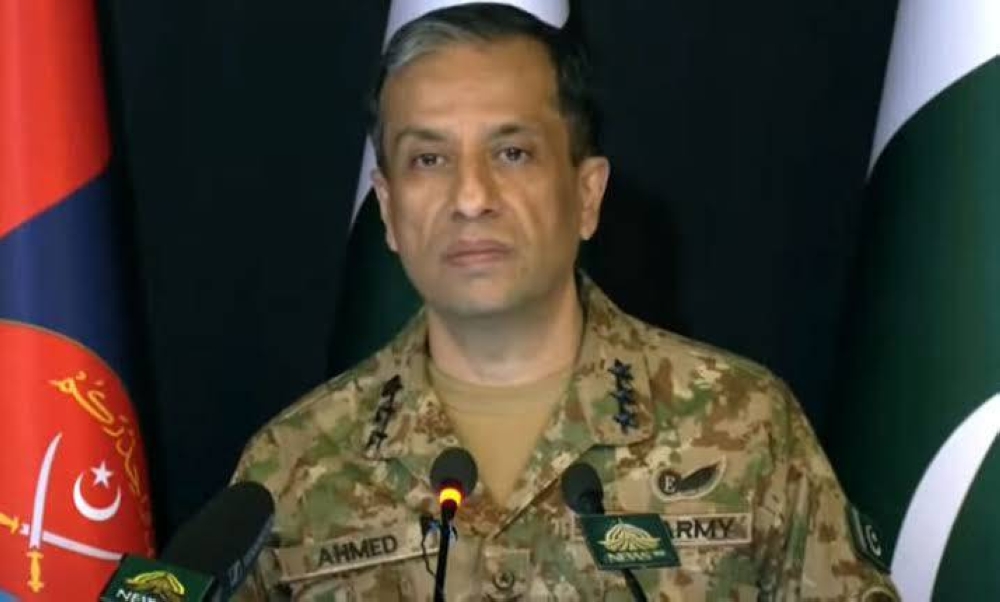
وقال المتحدث باسم الجيش الباكستاني، الفريق أحمد شريف شودري، إن باكستان قدمت أدلة دامغة للمجتمع الدولي تثبت تورط الهند في «دعم أنشطة إرهابية على الأراضي الباكستانية» مشيراً إلى أن الهند أسست منظمة «مكتي بهاني» الإرهابية عام 1971 في باكستان الشرقية (بنغلاديش حالياً)، واصفاً إياها بأنها «جزء من خطط هندية مشينة» لتقويض أمن باكستان.
وخلال المؤتمر، الذي حضره وكيل وزارة الداخلية الباكستاني خرم آغا، عرض الفريق شودري وثائق وأدلة تكشف عن سلسلة من العمليات الإرهابية التي نفذتها الهند على مدى عقدين، بما في ذلك هجوم استهدف «هدفاً ناعماً» في بلوشستان، عقب هزيمة الهند في عملية عسكرية باكستانية ناجحة مطلع العام الحالي، عُرفت باسم «بنيان مرصوص».
وأكد المتحدث أن الهجوم الأخير في بلوشستان يندرج ضمن «نمط أوسع» من العنف المدعوم من وكالة الاستخبارات الهندية، التي تسعى من خلاله إلى إثارة الفوضى وتعطيل مشاريع التنمية الاقتصادية في الإقليم، مثل الممر الاقتصادي الصيني-الباكستاني (CPEC)، الذي يُعتبر شرياناً حيوياً للاقتصاد الباكستاني.
ودعا الفريق شودري المجتمع الدولي إلى اتخاذ موقف حازم ضد «الإرهاب المدعوم من الدول»، محذراً من أن استمرار مثل هذه الأعمال يهدد الأمن الإقليمي، مشدداً على أن باكستان ستواصل الدفاع عن سيادتها وأمنها الوطني بكل الوسائل المتاحة، وأن القوات المسلحة الباكستانية في حالة تأهب قصوى لمواجهة أي تهديدات خارجية.
تأتي هذه التصريحات في سياق التوترات المستمرة بين الهند وباكستان، اللتين تشهدان نزاعات حدودية واتهامات متبادلة بدعم الإرهاب منذ عقود، ويعتبر إقليم بلوشستان، الغني بالموارد الطبيعية، منطقة حساسة بسبب مشاريع البنية التحتية الكبرى، مثل الممر الاقتصادي الصيني -الباكستاني، الذي يربط ميناء جوادر الباكستاني بمنطقة شينجيانغ الصينية، وقد شهد الإقليم هجمات متكررة استهدفت قوات الأمن والبنية التحتية، وهو ما تتهم به باكستان أطرافاً خارجية، بما في ذلك الهند.
The Pakistani army announced at a press conference on Friday that Pakistan is facing a series of bloody terrorist attacks sponsored by India, accusing New Delhi of seeking to destabilize the country's economic and security situation, particularly in the Balochistan region.
Pakistani army spokesman, Lieutenant General Ahmed Sharif Chaudhry, stated that Pakistan has provided compelling evidence to the international community proving India's involvement in "supporting terrorist activities on Pakistani soil," pointing out that India established the terrorist organization "Mukti Bahini" in 1971 in East Pakistan (now Bangladesh), describing it as "part of India's disgraceful plans" to undermine Pakistan's security.
During the conference, attended by the Pakistani Interior Ministry's Secretary Khurram Agha, General Chaudhry presented documents and evidence revealing a series of terrorist operations carried out by India over two decades, including an attack targeting a "soft target" in Balochistan, following India's defeat in a successful Pakistani military operation earlier this year, known as "Bunyad Marsus."
The spokesman confirmed that the recent attack in Balochistan falls within a "broader pattern" of violence supported by the Indian intelligence agency, which seeks to incite chaos and disrupt economic development projects in the region, such as the China-Pakistan Economic Corridor (CPEC), which is considered a vital artery for the Pakistani economy.
General Chaudhry called on the international community to take a firm stance against "state-sponsored terrorism," warning that the continuation of such acts threatens regional security, emphasizing that Pakistan will continue to defend its sovereignty and national security by all available means, and that the Pakistani armed forces are on high alert to confront any external threats.
These statements come amid ongoing tensions between India and Pakistan, which have experienced border disputes and mutual accusations of supporting terrorism for decades. The resource-rich Balochistan region is considered sensitive due to major infrastructure projects, such as the China-Pakistan Economic Corridor, which connects the Pakistani port of Gwadar to China's Xinjiang region, and the region has witnessed repeated attacks targeting security forces and infrastructure, which Pakistan attributes to external parties, including India.