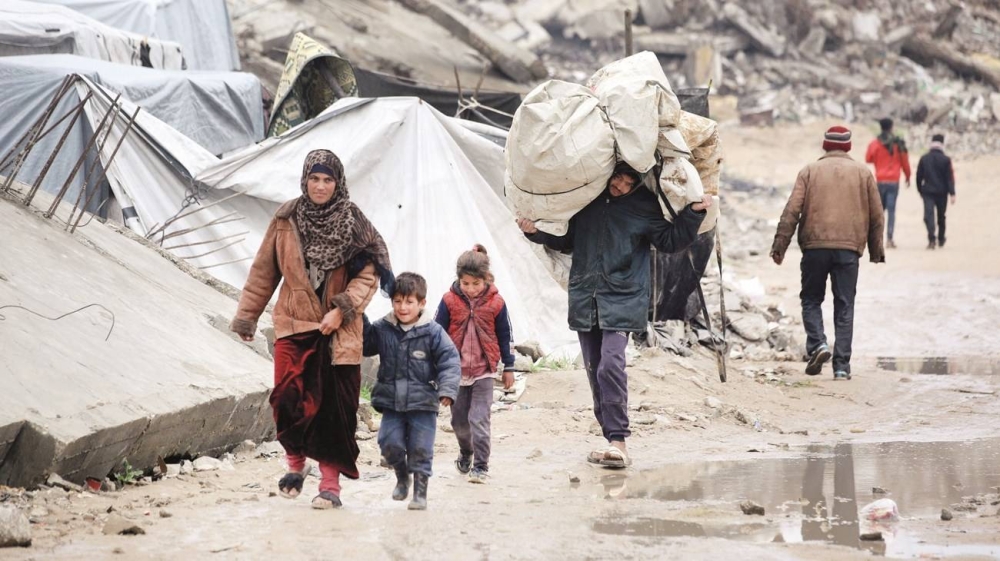
تغيرات حادة تضرب مواقف الغرب تجاه الحرب في غزة. الخطاب الأوروبي يتجاوز الصمت والمواقف الرمادية نحو خطوات تحمل طابعاً عملياً. ومحاسبة إسرائيل لم تعد مجرد صدى لضغط الشارع أو ارتجاج أمام صور الموت، بل مؤشر على تحول عميق في النظرة إلى شريك كان يُعامل بامتيازات استثنائية.
في هذا السياق، جاءت تحركات أوروبية وأمريكية تحمل إشارات مغايرة.
اجتماع وزراء خارجية الاتحاد الأوروبي في بروكسل، يوم 20 مايو 2025، حمل مؤشرات على بداية افتراق هادئ عن المسار التقليدي للتعامل مع إسرائيل. للمرة الأولى، طُرحت علناً إمكانية مراجعة اتفاقية الشراكة التجارية بين الطرفين، وهي خطوة ما كانت لتُناقش بهذا العلن لولا التحول العميق في المزاج السياسي الأوروبي. ورغم غياب إجماع كامل، فإن دعم 17 دولة من أصل 27 لهذا الخيار أظهر أن القضية لم تعد مؤجلة. خطوة سياسية تتجاوز بعدها الاقتصادي، وتفتح الباب أمام مشروطية جديدة في العلاقة مع تل أبيب.
تبدل المزاج الأوروبي.. ومصير الشراكة مع إسرائيل
التلويح بتجميد اتفاقية الشراكة، رغم أنه لم يحظَ بإجماع كامل، يمثّل اختراقاً في نمط الخطاب. تصريحات الممثلة العليا للسياسة الخارجية كايا كالاس، كانت حادة: «الشراكة مع إسرائيل لا يمكن أن تستمر إن لم تحترم حقوق الإنسان والمبادئ الديمقراطية».
فيما نُقل عن مسؤولين في بروكسل أن إدراج هذا الملف لم يعد من المحرمات، خصوصاً بعد تقارير حقوقية دولية اتهمت الجيش الإسرائيلي بعرقلة دخول المساعدات واستهداف مدنيين.
دول مثل إسبانيا وإيرلندا وبلجيكا ولوكسمبورغ وسلوفينيا كانت الأكثر وضوحاً، داعية إلى ربط استمرار العلاقات بالمحاسبة الجادة. رئيس الوزراء الإسباني بيدرو سانشيز قال في البرلمان: «لا يمكن للاتحاد الأوروبي أن يكافئ إسرائيل بشراكة اقتصادية فيما تواصل تدمير غزة».
في المقابل، ألمانيا والنمسا ودول أوروبية شرقية دعت إلى الفصل بين السياسة والتجارة. ورغم تحفظها، لم تمنع تمرير رسالة سياسية صريحة: النموذج السابق للعلاقة لم يعد صالحاً.
من لندن، كانت المفاجأة؛ فقد أعلنت الحكومة البريطانية تعليق المفاوضات التجارية مع إسرائيل، في سابقة تعكس شعوراً متنامياً بالإحراج الغربي. وزير الخارجية البريطاني برر القرار بـ«الخطاب المتطرف والمقزز لبعض وزراء الحكومة الإسرائيلية»، داعياً إلى رفع الحصار عن غزة والسماح بدخول المساعدات.
في المحصلة، موقف الدول الـ17 يعكس تشكُّل كتلة أوروبية جديدة بدأت ترى في العلاقة مع إسرائيل عبئاً أخلاقياً لا يمكن الدفاع عنه أمام الرأي العام.
أمريكا تضغط من الظل.. دون نزع الغطاء الإستراتيجي
في واشنطن، لا تزال الضغوط تمارس بصيغة أقل علنية. ورغم استمرار الدعم العسكري، إلا أن إدارة ترمب تواجه مأزقاً متصاعداً مع تفاقم الكارثة الإنسانية في غزة. تقارير في (نيويورك تايمز) و(واشنطن بوست) تحدثت عن رسائل مغلقة تحذر من أن «استمرار العمليات يهدد شكل العلاقة الإستراتيجية».
لكن حدود الضغط واضحة: لا تفكيك للشراكة، بل إعادة ضبطها. فالإدارة الأمريكية، وإن لم تعلن تغييراً جذرياً، تسعى لإعادة هندسة العلاقة دون خسارة موقعها في الملف الإسرائيلي.
إسرائيل ترد.. وتحضر ورقة طوارئ
إسرائيل، بدورها، سارعت إلى رفض أي خطوات أوروبية عقابية، ووصفتها بـ«تجاهل للحقائق الأمنية». وزارة الخارجية الإسرائيلية أعلنت أن تل أبيب ستواجه ما اعتبرته «محاولات عزل»، مؤكدة أنها «لن تتراجع عن حماية مواطنيها».
تسريبات من داخل الخارجية الإسرائيلية تحدثت عن ورقة طوارئ دبلوماسية يجري إعدادها، تتضمن تحركاً نحو بعض الدول الأوروبية لتخفيف أثر هذه النقاشات، واستثمار التحفظ الألماني والنمساوي لصالح تثبيت الشراكة القائمة.
مدريد تتحرك.. ومسار اعتراف بالدولة الفلسطينية؟
في موازاة ذلك، تستعد مدريد لاستضافة اجتماع أوروبي- عربي مشترك لبحث سبل إنهاء الصراع في غزة، وطرح مسألة الاعتراف بالدولة الفلسطينية. هذا الاجتماع لا يبدو تقليدياً، بل يندرج ضمن تصور أوروبي أولي لعقد سياسي جديد في الإقليم، يضع أوروبا في موقع صانع التوازن، لا مجرد شاهد عليه.
التحرك الإسباني يعكس إدراكاً بأن القضية لم تعد ملفاً خارجياً، بل اختبار مباشر لموقع أوروبا على خارطة التأثير.
تداعيات مفتوحة
الأسئلة الكبرى بدأت تُطرح: هل يتحول الاتحاد الأوروبي من لاعب قلق إلى طرف يفرض قواعده؟ وهل تنجح أمريكا في احتواء الأزمة دون إسقاط شريكها؟
هل تملك إسرائيل ما يكفي من الحلفاء لوقف هذا الانزياح في ميزان السياسة الغربية؟
الأسئلة كثيرة، واللحظة أكثر هشاشة مما تبدو. لكن المؤكد أن العلاقة مع إسرائيل لم تعد مقدسة كما كانت، وأن ملامح مساءلة دولية بدأت تتشكل، حتى إن لم تُعلن بكامل ملامحها. ما يجري الآن ليس فقط مساءلة لإسرائيل، بل تبدل مزاج
الوزن الاقتصادي.. والحذر الأوروبي
بلغ إجمالي تجارة السلع بين الاتحاد الأوروبي وإسرائيل عام 2024 نحو 42.6 مليار يورو، شكلت منها الواردات الأوروبية 15.9 مليار يورو. تتصدرها الآلات ومعدات النقل (7 مليارات يورو – 43.9%)، تليها المواد الكيميائية (2.9 مليار يورو – 18%)، والسلع المصنعة الأخرى (1.9 مليار يورو – 12.1%).
الأرقام تعكس تداخلاً اقتصادياً معقداً، لكن المزاج الجديد في بروكسل ولندن يشير إلى أن كفة الأخلاق السياسية بدأت تفرض نفسها، ولو ببطء.
Sharp changes are hitting the West's stance on the war in Gaza. The European discourse is moving beyond silence and gray positions towards steps that carry a practical character. Holding Israel accountable is no longer just a reflection of street pressure or a reaction to images of death, but an indicator of a profound shift in the perception of a partner that was treated with exceptional privileges.
In this context, European and American movements have emerged carrying different signals.
The meeting of EU foreign ministers in Brussels on May 20, 2025, carried indications of a quiet beginning to diverging from the traditional approach to dealing with Israel. For the first time, the possibility of reviewing the trade partnership agreement between the two parties was publicly raised, a step that would not have been discussed so openly without the deep shift in the European political mood. Although there was no complete consensus, the support of 17 out of 27 countries for this option showed that the issue is no longer deferred. This is a political step that goes beyond its economic dimension, opening the door to a new conditionality in relations with Tel Aviv.
The changing European mood... and the fate of the partnership with Israel
The hint at freezing the partnership agreement, although it did not receive full consensus, represents a breakthrough in the pattern of discourse. The statements of the High Representative for Foreign Affairs, Kaja Kallas, were sharp: "The partnership with Israel cannot continue if it does not respect human rights and democratic principles."
It was reported from officials in Brussels that including this file is no longer taboo, especially after international human rights reports accused the Israeli army of obstructing aid entry and targeting civilians.
Countries like Spain, Ireland, Belgium, Luxembourg, and Slovenia were the most vocal, calling for linking the continuation of relations to serious accountability. Spanish Prime Minister Pedro Sánchez said in parliament: "The European Union cannot reward Israel with an economic partnership while it continues to destroy Gaza."
In contrast, Germany, Austria, and some Eastern European countries called for separating politics from trade. Despite their reservations, they did not prevent the passing of a clear political message: the previous model of the relationship is no longer valid.
From London came the surprise; the British government announced the suspension of trade negotiations with Israel, a precedent that reflects a growing sense of Western embarrassment. The British Foreign Secretary justified the decision by citing "the extreme and repugnant rhetoric of some Israeli government ministers," calling for lifting the blockade on Gaza and allowing aid to enter.
In conclusion, the stance of the 17 countries reflects the formation of a new European bloc that is beginning to see the relationship with Israel as a moral burden that cannot be defended in front of public opinion.
America presses from the shadows... without removing the strategic cover
In Washington, pressures are still being exerted in a less public manner. Despite the continued military support, the Trump administration faces an escalating dilemma with the worsening humanitarian disaster in Gaza. Reports in the New York Times and Washington Post spoke of closed messages warning that "the continuation of operations threatens the nature of the strategic relationship."
But the limits of pressure are clear: no dismantling of the partnership, but rather a recalibration of it. The U.S. administration, while not announcing a radical change, seeks to re-engineer the relationship without losing its position on the Israeli file.
Israel responds... and prepares an emergency plan
Israel, for its part, quickly rejected any punitive European steps, describing them as "a disregard for security realities." The Israeli Foreign Ministry announced that Tel Aviv would confront what it considered "attempts at isolation," asserting that it "will not back down from protecting its citizens."
Leaks from within the Israeli Foreign Ministry spoke of a diplomatic emergency plan being prepared, which includes outreach to some European countries to mitigate the impact of these discussions and to leverage the German and Austrian reservations in favor of solidifying the existing partnership.
Madrid takes action... and a path towards recognizing the Palestinian state?
In parallel, Madrid is preparing to host a joint European-Arab meeting to discuss ways to end the conflict in Gaza and raise the issue of recognizing the Palestinian state. This meeting does not seem traditional; rather, it falls within an initial European vision for a new political contract in the region, positioning Europe as a balance-maker, not just a witness to it.
The Spanish move reflects an understanding that the issue is no longer an external file, but a direct test of Europe's position on the map of influence.
Open implications
The big questions have begun to be asked: Will the European Union transform from a concerned player into a party that imposes its rules? Will America succeed in containing the crisis without losing its partner?
Does Israel have enough allies to stop this shift in the balance of Western politics?
The questions are many, and the moment is more fragile than it seems. But what is certain is that the relationship with Israel is no longer sacred as it once was, and the outlines of international accountability are beginning to take shape, even if not fully declared. What is happening now is not just accountability for Israel, but a change in mood.
The economic weight... and European caution
The total trade in goods between the European Union and Israel in 2024 reached about 42.6 billion euros, of which European imports amounted to 15.9 billion euros. Leading the imports are machinery and transport equipment (7 billion euros – 43.9%), followed by chemicals (2.9 billion euros – 18%), and other manufactured goods (1.9 billion euros – 12.1%).
The figures reflect a complex economic interdependence, but the new mood in Brussels and London indicates that the balance of political ethics is beginning to assert itself, albeit slowly.