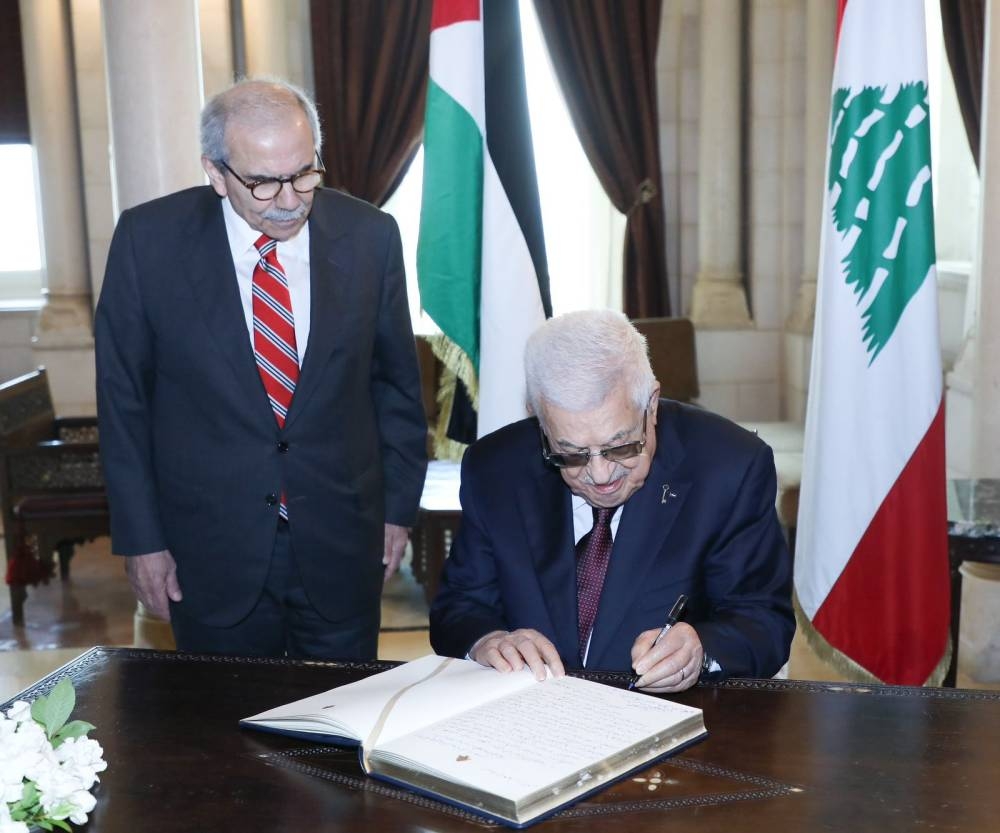
في الوقت الذي تتكثف فيه الضغوط الإقليمية والدولية على مختلف الأطراف الفلسطينية واللبنانية، أعادت زيارة رئيس السلطة الفلسطينية محمود عباس إلى بيروت تحريك ملف شائك طالما أُجلت مواجهته والمتعلق بالسلاح الفلسطيني خارج سلطة الدولة اللبنانية. الملف الذي ظل عالقاً في زوايا التسويات المؤجلة منذ ما بعد الطائف، طُرح مجدداً لكن في ظروف مختلفة داخلياً وإقليمياً ووسط احتدام الأزمة في غزة وتبدّل أولويات الفصائل، والسلطة، والدولة المضيفة.
محمود عباس الذي وصل إلى لبنان حاملاً معه إرثاً من الالتزامات القديمة، أراد هذه المرة أن يقول للبنانيين: «لنترك المراوحة خلفنا». فهو كان قد أطلق تصريحات مشابهة في زيارته إلى بيروت في يوليو 2013، حين وعد بإنهاء مظاهر السلاح في المخيمات، لكنها بقيت يومها حبراً على ورق، أما اليوم، وبعد مجازر غزة، وتصدّع التوازنات الداخلية في أكثر من مخيم، فالكلام أتى في سياق أكثر إلحاحاً.
وفي اليوم الثاني من الزيارة، واصل عباس لقاءاته الرسمية، فزار رئيس مجلس النواب نبيه بري، حيث جرى بحث معمّق في أوضاع الفلسطينيين في لبنان والعدوان المستمر على غزة، قبل أن ينتقل إلى السرايا الحكومية وكان في استقبله رئيس الحكومة نواف سلام.
اللقاء في السرايا شهد جلسة ثنائية أعقبها اجتماع أمني موسع، شارك فيه كبار المسؤولين اللبنانيين والفلسطينيين، وتمحور حول تثبيت الاستقرار الأمني داخل المخيمات، ومعالجة جذور التوتر المزمن، لا سيما في ضوء الأحداث الأمنية المتكررة في بعض المخيمات مثل عين الحلوة.
الرئيس الفلسطيني ورئيس الحكومة اللبنانية.
مبادئ واضحة: لا سلاح خارج الشرعية ولا للتوطين
الاتفاق الذي خرجت به كافة الاجتماعات جاء ترجمة لتفاهمات سياسية–أمنية طال انتظارها، ويمكن تلخيص أبرزها بما يلي: التأكيد أن اللاجئين الفلسطينيين في لبنان هم ضيوف يلتزمون بالقوانين اللبنانية، ويرفضون التوطين، ويتمسكون بحق العودة إلى فلسطين، كما تمسّكت الدولة اللبنانية بسيادتها الكاملة على جميع أراضيها، بما في ذلك المخيمات الفلسطينية، وضرورة إنهاء أي مظهر مسلح خارج سلطة الدولة.
وشددت الاجتماعات على ضرورة الإقفال النهائي لملف السلاح الفلسطيني داخل وخارج المخيمات، وحصره بيد الشرعية اللبنانية، وتشكيل لجنة تنفيذية مشتركة لبنانية–فلسطينية لمتابعة تنفيذ هذه التفاهمات ومواكبة التطورات الأمنية والاجتماعية داخل المخيمات، والتفاهم على العمل المشترك لمعالجة القضايا الحقوقية والاجتماعية للاجئين الفلسطينيين، بما يضمن حياة كريمة لهم دون المساس بسيادة الدولة أو قوانينها.
رسائل متزامنة من بيروت إلى غزة
وفي خضم الحديث عن المخيمات، لم تغب غزة عن الطاولة، وأجمع الرئيس الفلسطيني ورئيس الحكومة اللبنانية على الرفض المطلق للعدوان الإسرائيلي المستمر على القطاع، مؤكدين ضرورة وقف الحرب فوراً، ورفض أيّ محاولة للتهجير القسري للسكان الفلسطينيين، مع الدعوة إلى وقف إطلاق النار وإيصال المساعدات الإنسانية دون عوائق.
وأكدا ضرورة انسحاب الجيش الإسرائيلي من غزة، وتمكين السلطة الفلسطينية من إدارة القطاع، في إطار إعادة إعمار شاملة تؤسس لتعافٍ إنساني واجتماعي واقتصادي.
وفي المواقف السياسية الكبرى، لم يخرج عباس عن مساره التقليدي، مجدداً تمسكه بحل الدولتين كحل عادل وشامل للصراع، استناداً إلى قرارات الشرعية الدولية والمبادرة العربية للسلام التي أطلقتها المملكة العربية السعودية من قمة بيروت عام 2002، بما يضمن قيام دولة فلسطينية مستقلة عاصمتها القدس على كامل الأراضي الفلسطينية المحتلة.
فمن بوابة المخيمات إلى غزة، ومن السلاح إلى السيادة، ومن الحقوق إلى العودة، جاءت زيارة محمود عباس لتُعيد وصل ما انقطع بين السلطة الفلسطينية والدولة اللبنانية، على قاعدة أنه لايوجد أحد مستفيد من الفوضى، وأن مرحلة ما بعد غزة قد تكون فرصة نادرة لوضع النقاط على الحروف.
لكنّ العبرة تبقى في التنفيذ، وفي ما إذا كانت هذه التفاهمات ستشكل بداية مسار طويل نحو ترتيب العلاقة الفلسطينية–اللبنانية على أسس واضحة، أم أنها ستظل خطوة رمزية في زمن تتراكم فيه الملفات ولا تجد من يفتحها بجرأة واستمرار.
At a time when regional and international pressures are intensifying on various Palestinian and Lebanese parties, the visit of Palestinian Authority President Mahmoud Abbas to Beirut has reignited a thorny issue that has long been postponed, concerning Palestinian weapons outside the authority of the Lebanese state. This issue, which has remained stuck in the corners of delayed settlements since after the Taif Agreement, has been raised again but under different internal and regional circumstances, amidst the escalation of the crisis in Gaza and the shifting priorities of factions, the authority, and the host state.
Mahmoud Abbas, who arrived in Lebanon carrying a legacy of old commitments, wanted this time to tell the Lebanese: "Let’s leave the stagnation behind us." He had made similar statements during his visit to Beirut in July 2013, when he promised to end the presence of weapons in the camps, but that promise remained mere ink on paper. Today, after the massacres in Gaza and the fracturing of internal balances in more than one camp, the words came in a more urgent context.
On the second day of the visit, Abbas continued his official meetings, visiting the Speaker of the Parliament Nabih Berri, where an in-depth discussion took place regarding the situation of Palestinians in Lebanon and the ongoing aggression against Gaza, before moving to the Grand Serail, where he was received by Prime Minister Nawaf Salam.
The meeting at the Grand Serail included a bilateral session followed by an expanded security meeting, attended by senior Lebanese and Palestinian officials, focusing on stabilizing security within the camps and addressing the roots of chronic tension, especially in light of the recurring security incidents in some camps like Ain al-Hilweh.
الرئيس الفلسطيني ورئيس الحكومة اللبنانية.
Clear principles: No weapons outside legitimacy and no to resettlement
The agreement that emerged from all the meetings was a translation of long-awaited political-security understandings, which can be summarized as follows: affirming that Palestinian refugees in Lebanon are guests who abide by Lebanese laws, reject resettlement, and cling to the right of return to Palestine, while the Lebanese state insisted on its full sovereignty over all its territories, including the Palestinian camps, and the necessity of ending any armed presence outside the authority of the state.
The meetings emphasized the need for the final closure of the Palestinian weapons file inside and outside the camps, restricting it to the hands of the Lebanese legitimacy, and forming a joint Lebanese-Palestinian executive committee to follow up on the implementation of these understandings and to monitor security and social developments within the camps, as well as agreeing on joint work to address the legal and social issues of Palestinian refugees, ensuring them a dignified life without infringing on the sovereignty of the state or its laws.
Simultaneous messages from Beirut to Gaza
Amid discussions about the camps, Gaza was not absent from the table, and both the Palestinian president and the Lebanese prime minister agreed on the absolute rejection of the ongoing Israeli aggression against the sector, emphasizing the need to stop the war immediately and rejecting any attempt at the forced displacement of Palestinian residents, while calling for a ceasefire and the unhindered delivery of humanitarian aid.
They affirmed the necessity of the Israeli army's withdrawal from Gaza and enabling the Palestinian Authority to manage the sector, within the framework of comprehensive reconstruction that establishes humanitarian, social, and economic recovery.
In major political positions, Abbas did not deviate from his traditional path, reiterating his commitment to the two-state solution as a fair and comprehensive resolution to the conflict, based on international legitimacy resolutions and the Arab Peace Initiative launched by Saudi Arabia at the Beirut Summit in 2002, ensuring the establishment of an independent Palestinian state with Jerusalem as its capital on all occupied Palestinian territories.
Thus, from the gateway of the camps to Gaza, and from weapons to sovereignty, and from rights to return, Mahmoud Abbas's visit aimed to reconnect what had been severed between the Palestinian Authority and the Lebanese state, on the basis that no one benefits from chaos, and that the post-Gaza phase could be a rare opportunity to clarify the points.
However, the lesson remains in the implementation, and whether these understandings will mark the beginning of a long path towards organizing the Palestinian-Lebanese relationship on clear foundations, or if they will remain a symbolic step in a time when files accumulate without anyone daring to open them with courage and continuity.