أعلن نائب وزير الخارجية الإيراني كاظم غريب آبادي، اليوم (الثلاثاء)، أن طهران تلقت اقتراحاً بشأن موعد ومكان الجولة الجديدة من المفاوضات مع واشنطن لتسوية الأزمة المتعلقة بالبرنامج النووي الإيراني.
ونقلت هيئة الإذاعة والتلفزيون الحكومية الإيرانية عن آبادي قوله «لقد تلقينا اقتراحاً بالجولة القادمة من المفاوضات غير المباشرة بين إيران والولايات المتحدة، والتي يتم النظر فيها حالياً».
وبدأت إيران والولايات المتحدة في 12 أبريل بوساطة عُمانية، محادثات بشأن ملف طهران النووي.
وعقد البلدان أربع جولات من المحادثات لتسوية الخلافات بشأن البرنامج النووي الإيراني. وعقدت الجولة الأولى من هذه المحادثات يوم 12 أبريل في مسقط، والثانية يوم 19 أبريل في روما، والثالثة والرابعة يومي 26 أبريل و11 مايو في العاصمة العمانية.
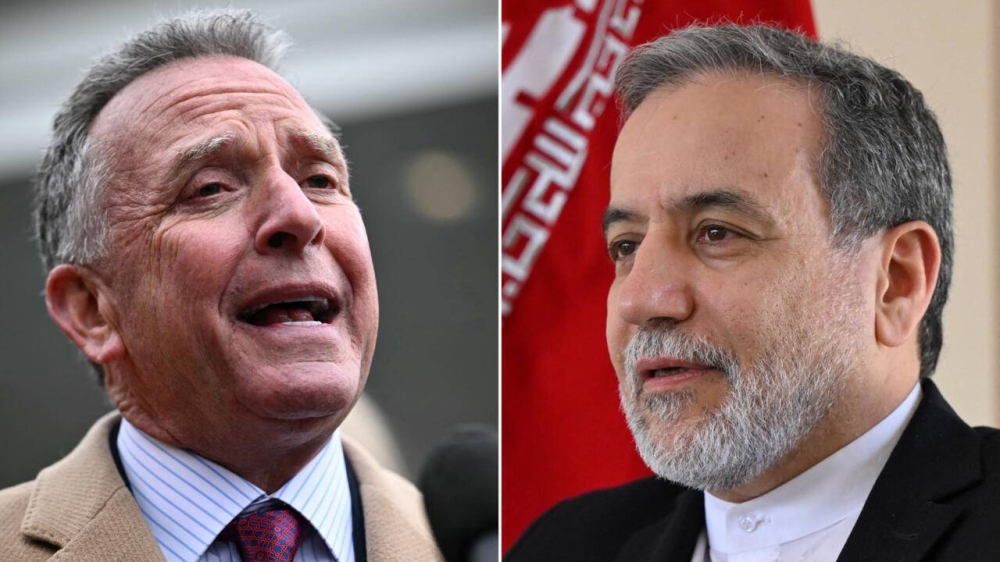
وترأس الوفد الإيراني وزير الخارجية عباس عراقجي، فيما ترأس الوفد الأمريكي المبعوث الخاص ستيف ويتكوف.
وتتركز الخلافات بين البلدين على مسألة تخصيب إيران لليورانيوم، الذي يعارضه المسؤولون الأمريكيون، فيما تتمسك طهران بحقها بتخصيب اليورانيوم لأغراض سلمية، نافيةً أن يكون لبرنامجها أغراض عسكرية.
وتُخصب إيران حالياً اليورانيوم بنسبة تصل إلى 60 %، وهي أعلى بكثير من نسبة 3.67 % المنصوص عليها في الاتفاق النووي المبروم عام 2015، لكنها لا تزال أقل من عتبة 90 % الضرورية للاستخدام العسكري، بحسب الوكالة الدولية للطاقة الذرية.
متى تعقد الجولة الخامسة من المفاوضات الأمريكية - الإيرانية ؟
20 مايو 2025 - 12:05
|
آخر تحديث 20 مايو 2025 - 12:05
ويتكوف وعراقجي


تابع قناة عكاظ على الواتساب
«عكاظ» (ظهران) okaz_online@
Iranian Deputy Foreign Minister Kazem Gharib Abadi announced today (Tuesday) that Tehran has received a proposal regarding the date and location of the new round of negotiations with Washington to resolve the crisis related to the Iranian nuclear program.
The Iranian state television agency quoted Abadi as saying, "We have received a proposal for the upcoming round of indirect negotiations between Iran and the United States, which is currently under consideration."
Iran and the United States began talks regarding Tehran's nuclear file on April 12, with Omani mediation.
The two countries have held four rounds of talks to resolve differences over the Iranian nuclear program. The first round of these talks took place on April 12 in Muscat, the second on April 19 in Rome, and the third and fourth on April 26 and May 11 in the Omani capital.
The Iranian delegation was headed by Foreign Minister Abbas Araghchi, while the American delegation was led by Special Envoy Steve Biegun.
The disagreements between the two countries focus on the issue of Iran's uranium enrichment, which American officials oppose, while Tehran insists on its right to enrich uranium for peaceful purposes, denying that its program has military objectives.
Iran is currently enriching uranium to a level of up to 60%, which is much higher than the 3.67% stipulated in the 2015 nuclear agreement, but still below the 90% threshold necessary for military use, according to the International Atomic Energy Agency.
The Iranian state television agency quoted Abadi as saying, "We have received a proposal for the upcoming round of indirect negotiations between Iran and the United States, which is currently under consideration."
Iran and the United States began talks regarding Tehran's nuclear file on April 12, with Omani mediation.
The two countries have held four rounds of talks to resolve differences over the Iranian nuclear program. The first round of these talks took place on April 12 in Muscat, the second on April 19 in Rome, and the third and fourth on April 26 and May 11 in the Omani capital.
The Iranian delegation was headed by Foreign Minister Abbas Araghchi, while the American delegation was led by Special Envoy Steve Biegun.
The disagreements between the two countries focus on the issue of Iran's uranium enrichment, which American officials oppose, while Tehran insists on its right to enrich uranium for peaceful purposes, denying that its program has military objectives.
Iran is currently enriching uranium to a level of up to 60%, which is much higher than the 3.67% stipulated in the 2015 nuclear agreement, but still below the 90% threshold necessary for military use, according to the International Atomic Energy Agency.