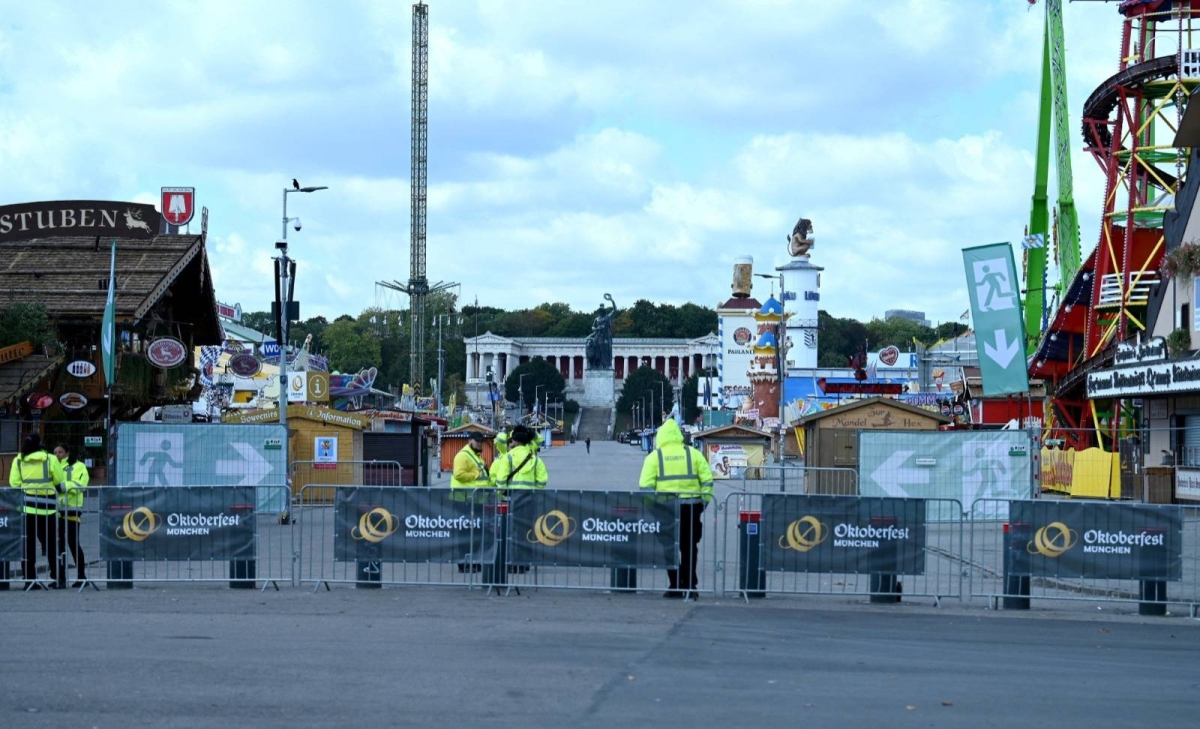
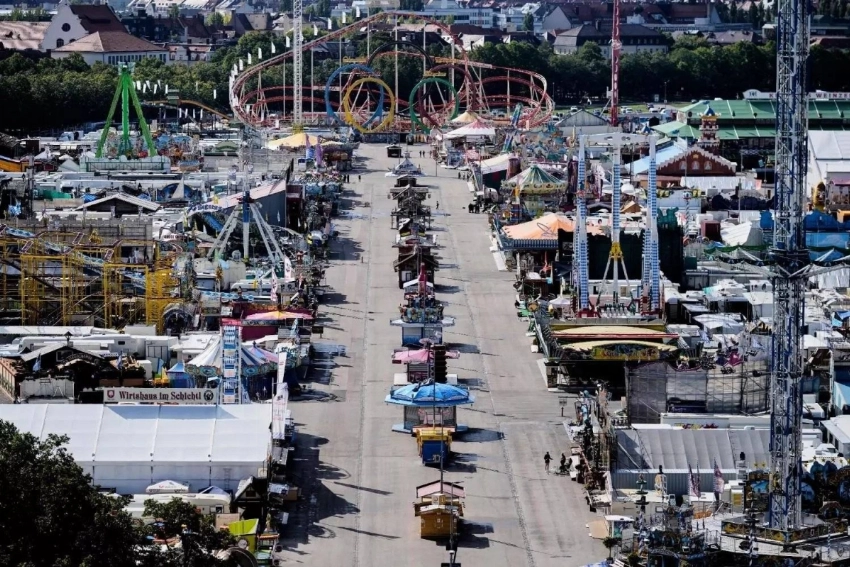
أغلقت شرطة ميونخ منطقة مهرجان أكتوبر مؤقتاً مساء أمس (الأربعاء)، بعد تلقي تهديد غامض بمتفجرات مرتبط بانفجار مدمر في منزل سكني شمال المدينة أسفر عن مقتل مشتبه به.
وأدى الإغلاق، الذي استمر لساعات، إلى إجلاء آلاف الزوار المرتقبين، ونشر 500 شرطي وكلاب كشف ألغام لتفتيش الموقع الواسع، حيث يتجمع ملايين الزوار سنوياً، وبعد تفتيش مكثف، أعلنت السلطات ألا شيء مشبوهاً تم العثور عليه، ما سمح بإعادة فتح المهرجان.
وبدأت الأحداث بعدما شهد منزل منعزل شمال ميونخ، انفجارات وأصوات إطلاق نار، ما أدى إلى اندلاع حريق، ووصلت فرق الإطفاء والشرطة لتجد سيارة فان محترقة وعدة مركبات متضررة، إضافة إلى «فخاخ متفجرة» داخل المنزل، كما أفادت الشرطة.
وفي مذكرة كتبها المشتبه به – الذي عُثر على جثته في المنزل ويُعتقد أنه انتحر – وُجد تهديد غامض بمتفجرات موجه إلى مهرجان أكتوبر، ما دفع الشرطة إلى التحقيق في روابط محتملة بين الحادث والموقع الاحتفالي.
إغلاق منطقة مهرجان أكتوبر.
العملية درامية جداً
وأكد نائب رئيس شرطة ميونخ، كريستيان هوبر، في مؤتمر صحفي: «كانت العملية درامية جداً، لكن التحقيقات أكدت عدم وجود خطر حقيقي على المهرجان أو مواقع أخرى في المدينة»، ووصفت الشرطة الحادث بأنه «نزاع أسري»، مع نفي أي تورط لليمين المتطرف، كما أكد وزير الداخلية البافاري.
ويُعد مهرجان أكتوبر في ميونخ، الذي يقام سنوياً منذ 1810 للاحتفال بزفاف الأمير لويس البافاري، أكبر مهرجان شعبي في العالم، حيث يجذب أكثر من 6 ملايين زائر كل عام.
وبدأ المهرجات هذا العام في 20 سبتمبر، وقد استقطب بالفعل 3.5 مليون زائر حتى الآن، مع ميزانية اقتصادية تصل إلى 1.2 مليار يورو، ومع ذلك، لم يكن هذا التهديد الأول؛ فالمهرجان شهد حوادث أمنية سابقة، مثل إطلاق نار في 2016 أسفر عن مقتل 10 أشخاص، وتهديدات إرهابية في 2018 أدت إلى نشر آلاف الشرطيين.
وتأتي الواقعة في سياق تصاعد التوترات الأمنية في ألمانيا بعد حوادث مثل الهجوم بالسكين في سولينغن في أغسطس الماضي، الذي أدى إلى مقتل 3 أشخاص، ما دفع الحكومة إلى تعزيز الإجراءات الأمنية في التجمعات الكبرى، بما في ذلك فحوصات أمنية مشددة وكاميرات مراقبة في أكتوبرفيست.
The Munich police temporarily closed the Oktoberfest area last night (Wednesday) after receiving a mysterious bomb threat related to a devastating explosion at a residential home north of the city that resulted in the death of a suspect.
The closure, which lasted for hours, led to the evacuation of thousands of expected visitors, and 500 police officers and bomb detection dogs were deployed to search the vast site, where millions of visitors gather annually. After an intensive search, authorities announced that nothing suspicious was found, allowing the festival to reopen.
The events began after an isolated house north of Munich experienced explosions and gunfire, leading to a fire. Fire and police teams arrived to find a burning van and several damaged vehicles, as well as "booby traps" inside the house, police reported.
In a note written by the suspect – whose body was found in the house and is believed to have committed suicide – there was a mysterious bomb threat directed at the Oktoberfest, prompting police to investigate potential links between the incident and the festive location.
إغلاق منطقة مهرجان أكتوبر.
The operation was very dramatic
Christian Hofer, the deputy chief of the Munich police, confirmed at a press conference: "The operation was very dramatic, but investigations confirmed that there was no real danger to the festival or other locations in the city." The police described the incident as a "domestic dispute," denying any involvement of the far-right, as confirmed by the Bavarian interior minister.
The Oktoberfest in Munich, held annually since 1810 to celebrate the wedding of Prince Ludwig of Bavaria, is the largest folk festival in the world, attracting more than 6 million visitors each year.
The festival began this year on September 20 and has already attracted 3.5 million visitors so far, with an economic budget reaching 1.2 billion euros. However, this was not the first threat; the festival has witnessed previous security incidents, such as a shooting in 2016 that resulted in the deaths of 10 people, and terrorist threats in 2018 that led to the deployment of thousands of police officers.
This incident comes amid rising security tensions in Germany following incidents such as the knife attack in Solingen last August, which resulted in the deaths of 3 people, prompting the government to enhance security measures at large gatherings, including strict security checks and surveillance cameras at Oktoberfest.