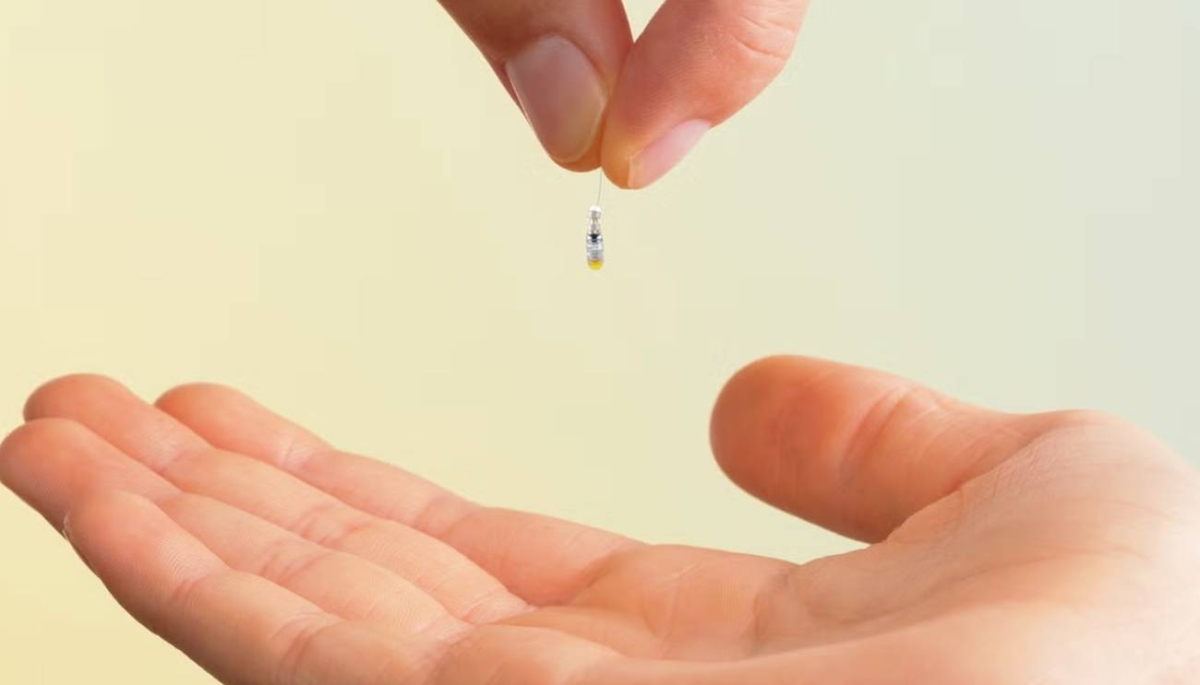
نجح فريق من العلماء الصينيين في دمج وظيفتي الاستشعار والتوجيه في آلة واحدة بحجم حبة رمل، مما يتيح إمكانية تحديد جرعات الأدوية بدقة أكبر والمراقبة الفسيولوجية داخل الجسم.
وذكر تقرير نشر هذا الأسبوع في مجلة «ساينس روبوتيكس» أن الباحثين من جامعة هواتشونج للعلوم والتكنولوجيا في مقاطعة هوبي بوسط الصين، والجامعة الصينية في هونج كونج في جنوب الصين، طوروا روبوتاً دقيقاً مغناطيسياً يعمل بالموجات فوق الصوتية، حسبما ذكرت وكالة أنباء الصين الجديدة (شينخوا).
وقال التقرير إن الروبوت الذي يبلغ عرضه 1.3 ملم ووزنه 4.6 مليغرام، يمكنه رصد معايير بيئية وتنظيمها لاسلكيا، مثل القوة والاهتزاز واللزوجة ودرجة الحرارة.
كما يستطيع الروبوت، عبر قدرته على استشعار المؤثرات وتحويلها إلى إشارات فوق صوتية، أن يتعامل مع أجسام دقيقة مثل بيض سمك السلمون، وهو ما تم إثباته خلال اختبارات على نماذج حيوانية.
وأوضح الباحثون أيضاً أن نسخة من الروبوت تعمل بمثابة مقياس حرارة قادرة على استشعار تغيرات درجة الحرارة في نموذج لخنزير، بينما أكدت نسخة أخرى من هذا الروبوت على شكل كبسولة قدرتها على توصيل جرعات دقيقة من السوائل لاسلكيا داخل معدة أرنب حي، ومتابعة مستوى الجرعة مع مرور الوقت.
يذكر أن هذه الاختبارات مهدت الطريق لتطبيقات عملية لهذا الجهاز الذكي المصغر في المجال الطبي.
A team of Chinese scientists has successfully integrated the functions of sensing and navigation into a single device the size of a grain of sand, allowing for more precise drug dosage determination and physiological monitoring within the body.
A report published this week in the journal "Science Robotics" stated that researchers from Huazhong University of Science and Technology in Hubei Province, Central China, and the Chinese University of Hong Kong in Southern China developed a magnetically controlled micro-robot that operates using ultrasound, according to the Xinhua News Agency.
The report indicated that the robot, which measures 1.3 mm in width and weighs 4.6 mg, can wirelessly monitor and regulate environmental parameters such as force, vibration, viscosity, and temperature.
Additionally, the robot, through its ability to sense stimuli and convert them into ultrasonic signals, can interact with tiny objects such as salmon eggs, which was demonstrated during tests on animal models.
The researchers also explained that one version of the robot functions as a thermometer capable of sensing temperature changes in a pig model, while another version of this robot, shaped like a capsule, demonstrated its ability to deliver precise doses of liquids wirelessly inside a living rabbit's stomach and monitor the dosage level over time.
It is noteworthy that these tests have paved the way for practical applications of this miniature smart device in the medical field.