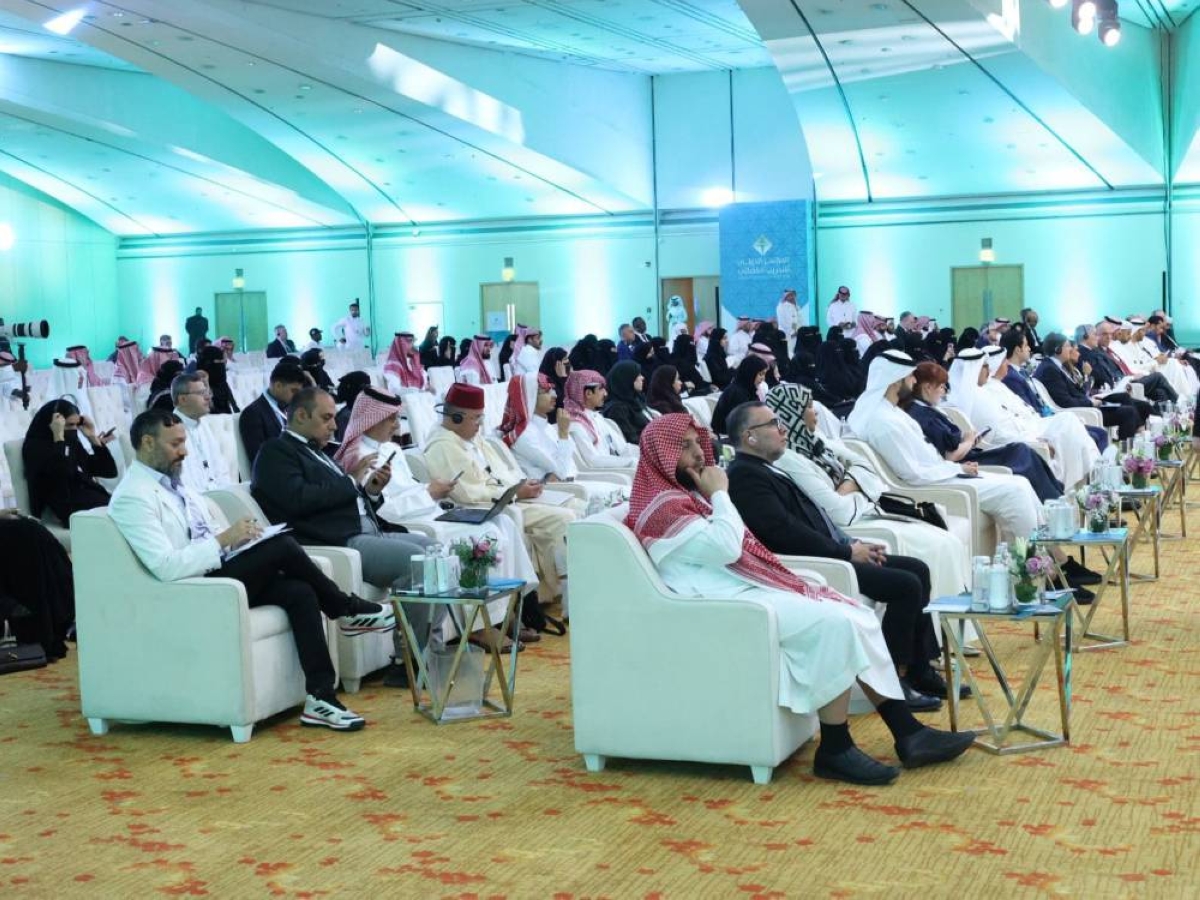
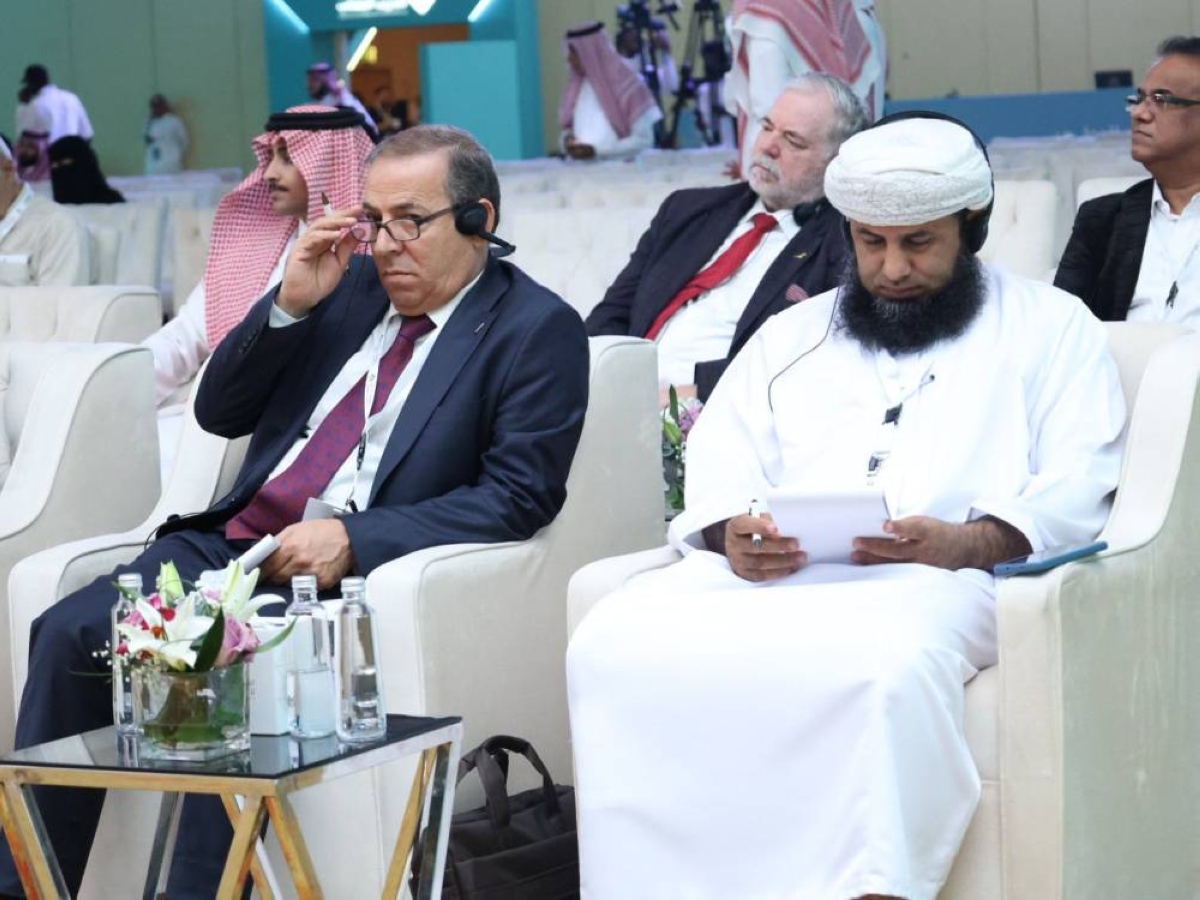
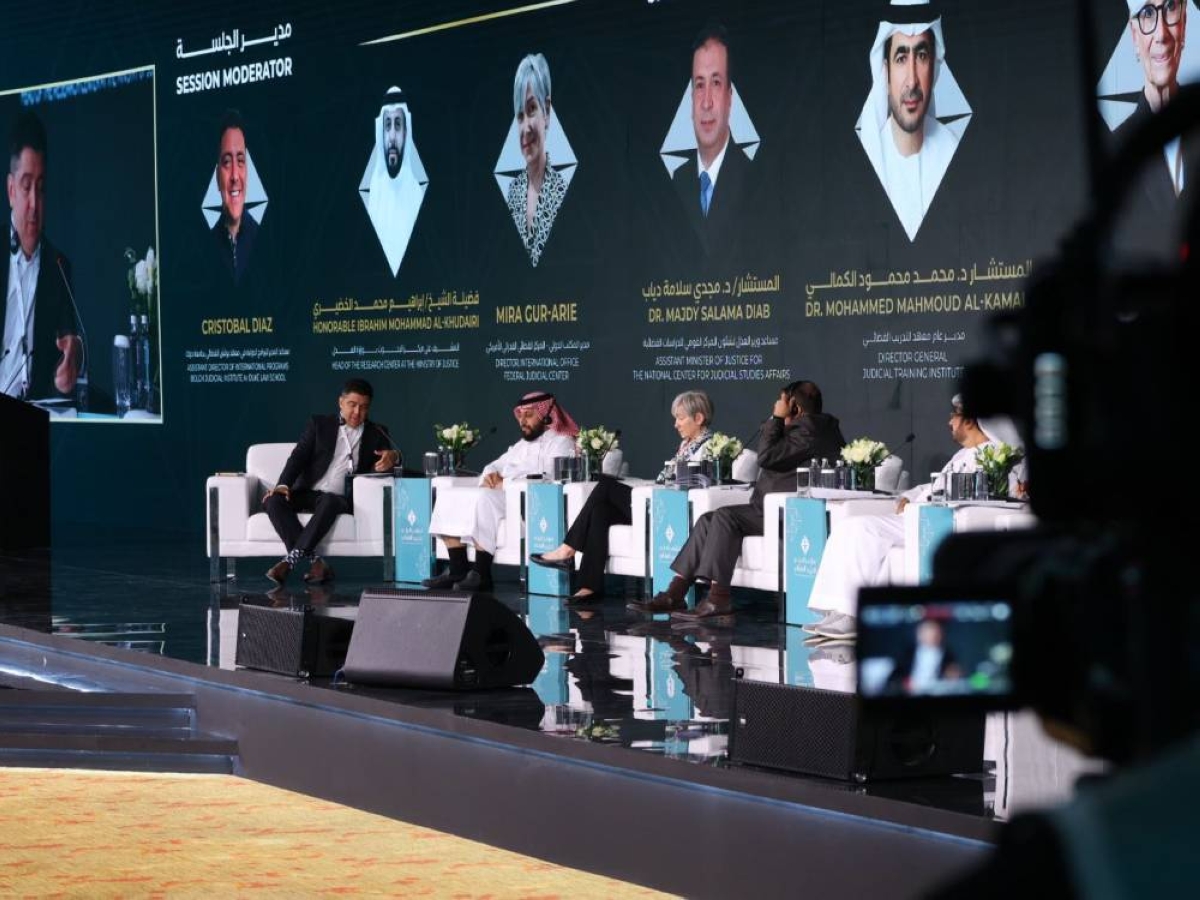
اختتم المؤتمر الدولي الثاني للتدريب القضائي أعمال يومه الثاني الذي نظمته وزارة العدل، ممثلة في مركز التدريب العدلي، وسط مشاركة نخبة من الخبراء والمتخصصين الدوليين الذين ناقشوا أحدث الأساليب والابتكارات التقنية لتطوير منظومة التدريب القضائي. وشهد أمس (الإثنين)، خمس ورش عمل وجلستين حضرهما عدد كبير من المشاركين من مختلف الدول العربية والأجنبية المشاركة في المؤتمر.
وتناولت الورشة الثالثة الأساليب والتقنيات الحديثة للتميز في التدريب القضائي، وأكد المتحدثون أن الأدوات الرقمية والمناهج الابتكارية تسهم في تصميم ومتابعة البرامج التدريبية، فيما شدد آخرون على أن التقنيات تتغير لكن المبادئ القضائية ثابتة والغاية تسهيل العدالة وتعزيز أدوات تحقيقها باستمرار، كما دعا خبراء دوليون إلى تحويل الحلول الابتكارية إلى مشاريع تدريبية قابلة للتنفيذ مع فتح المجال أمام الإبداع عند تصميم البرامج، مؤكدين أن نجاح أي عملية تطوير يرتكز على المزج بين المعرفة القانونية والأدوات الرقمية المتقدمة.
السعودية من أوائل الدول التي أصدرت تشريعات للتعامل مع تقنيات الذكاء الاصطناعي
أما الورشة الرابعة فخُصصت لمناقشة مستقبل التدريب القضائي باستخدام أدوات الذكاء الاصطناعي وجرى استعراض التجارب الدولية في هذا المجال، وأشاد خبراء بجهود السعودية التي كانت من أوائل الدول التي أصدرت تشريعات للتعامل مع تقنيات الذكاء الاصطناعي ومنها نظام حماية البيانات عام 2021، وتطرقت المداخلات إلى أهمية مراعاة الفروق الفردية بين المتدربين عند إعداد البرامج التدريبية، مؤكدين أن الذكاء الاصطناعي قادر على توفير حلول مرنة تتناسب مع سرعة تعلم كل فرد، كما شدد متحدثون دوليون على ضرورة دمج العنصر البشري مع أدوات الذكاء الاصطناعي بما يقلل المخاطر ويعزز جودة المخرجات.
وأكد المشاركون أن أعمال اليوم الثاني جسدت الدور الحيوي للمؤتمر كمنصة دولية لتبادل الخبرات وتعزيز التعاون في مجال التدريب القضائي بما يدعم العدالة ويرتقي بجودة الأداء في الأنظمة القضائية حول العالم.
The second international conference on judicial training concluded its second day, organized by the Ministry of Justice, represented by the Judicial Training Center, with the participation of a select group of international experts and specialists who discussed the latest methods and technological innovations to develop the judicial training system. Yesterday (Monday), five workshops and two sessions were held, attended by a large number of participants from various Arab and foreign countries participating in the conference.
The third workshop addressed modern methods and techniques for excellence in judicial training. The speakers emphasized that digital tools and innovative curricula contribute to the design and follow-up of training programs, while others stressed that technologies may change, but judicial principles remain constant, with the aim of facilitating justice and continuously enhancing the tools to achieve it. International experts called for transforming innovative solutions into executable training projects while allowing room for creativity in program design, affirming that the success of any development process relies on blending legal knowledge with advanced digital tools.
Saudi Arabia is among the first countries to issue legislation for dealing with artificial intelligence technologies
The fourth workshop was dedicated to discussing the future of judicial training using artificial intelligence tools, showcasing international experiences in this field. Experts praised Saudi Arabia's efforts, which was among the first countries to issue legislation for dealing with artificial intelligence technologies, including the Data Protection Law in 2021. The discussions addressed the importance of considering individual differences among trainees when preparing training programs, affirming that artificial intelligence can provide flexible solutions that match each individual's learning speed. International speakers also stressed the need to integrate the human element with artificial intelligence tools to reduce risks and enhance the quality of outcomes.
Participants confirmed that the activities of the second day embodied the vital role of the conference as an international platform for exchanging experiences and enhancing cooperation in the field of judicial training, supporting justice and improving performance quality in judicial systems around the world.