


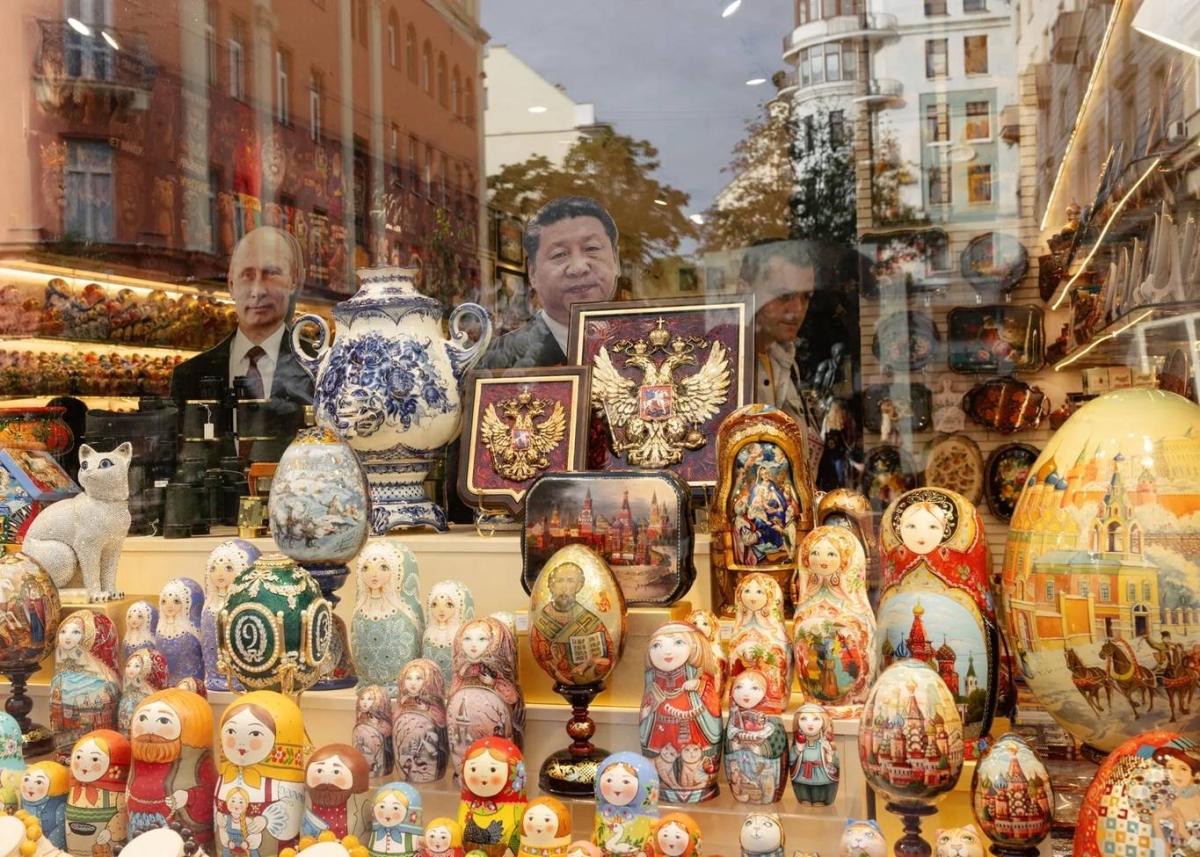
في لحظة وُصفت بأنها الأكثر مواتاة لبكين منذ سنوات، يستعد الرئيس الصيني شي جينبينغ لاستقبال زعيمي روسيا والهند في قمة منظمة شنغهاي للتعاون بمدينة تيانجين، تليها احتفالات عسكرية ضخمة في بكين بمناسبة الذكرى الثمانين لنهاية الحرب العالمية الثانية. حضور فلاديمير بوتين وناريندرا مودي، إلى جانب قادة من دول ناشئة كتركيا وماليزيا وباكستان، يعكس قدرة الصين على جمع شركاء من «الجنوب العالمي» تحت مظلتها، في وقت تتراجع فيه الثقة بالولايات المتحدة بسبب سياسات الرئيس الأمريكي دونالد ترامب.
القمة تأتي في ظرف دقيق: روسيا وجدت في الدعم الصيني غطاءً سياسيًا بعد عزلة الغرب، فيما دفعت الرسوم الأميركية المضاعفة على السلع الهندية مودي لإعادة النظر في علاقاته بواشنطن والتوجه شرقًا. هكذا تحوّلت سياسات ترامب التجارية وتقاربه مع الكرملين إلى فرصة ذهبية لشي لإظهار أن بكين باتت مركز جذب دبلوماسي لا يمكن تجاهله.
أما العرض العسكري في بكين، المقرر الأربعاء، فسيكون أكثر من مجرد استعراض قوة؛ إذ تحاول الصين إعادة صياغة الذاكرة التاريخية للحرب العالمية الثانية لتأكيد أن النصر تحقق بفضل تضحيات الصين والاتحاد السوفيتي، وليس الغرب وحده. هذا «الصراع على الذاكرة» يوازيه صراع سياسي على قيادة النظام العالمي، حيث تسعى بكين وموسكو لتقويض الرواية الغربية وترسيخ شرعية نفوذهما.
ويرى محللون أن ما يجري ليس مجرد احتفال أو قمة دورية، بل إعادة تموضع استراتيجي. فالصين تحاول استغلال تصدع التحالفات الغربية، وتراجع ثقة بعض الدول في واشنطن، لتقديم نفسها شريكًا بديلًا قادرًا على موازنة النفوذ الأميركي. الرسالة التي تبعث بها بكين واضحة: عالم ما بعد الحرب الباردة لم يعد أحادي القطب، والصين باتت في قلب المعادلة.
شي جينبينغ يستعرض أوراقه.. قمة أمنية وعرض عسكري لترسيخ نفوذ الصين العالمي
31 أغسطس 2025 - 06:57
|
آخر تحديث 31 أغسطس 2025 - 06:57


تابع قناة عكاظ على الواتساب
«عكاظ» (جدة) okaz_online@
In a moment described as the most favorable for Beijing in years, Chinese President Xi Jinping is preparing to welcome the leaders of Russia and India at the Shanghai Cooperation Organization summit in Tianjin, followed by massive military celebrations in Beijing to mark the 80th anniversary of the end of World War II. The presence of Vladimir Putin and Narendra Modi, alongside leaders from emerging countries like Turkey, Malaysia, and Pakistan, reflects China's ability to gather partners from the "Global South" under its umbrella, at a time when trust in the United States is declining due to the policies of American President Donald Trump.
The summit comes at a delicate time: Russia has found in Chinese support a political cover after Western isolation, while the doubling of U.S. tariffs on Indian goods has prompted Modi to reconsider his relations with Washington and turn eastward. Thus, Trump's trade policies and his rapprochement with the Kremlin have become a golden opportunity for Xi to demonstrate that Beijing has become a diplomatic magnet that cannot be ignored.
The military display in Beijing, scheduled for Wednesday, will be more than just a show of strength; China is attempting to reshape the historical memory of World War II to assert that victory was achieved thanks to the sacrifices of China and the Soviet Union, not just the West. This "struggle for memory" is paralleled by a political struggle for leadership of the global order, as Beijing and Moscow seek to undermine the Western narrative and solidify the legitimacy of their influence.
Analysts believe that what is happening is not just a celebration or a routine summit, but a strategic repositioning. China is trying to exploit the fractures in Western alliances and the declining trust of some countries in Washington to present itself as an alternative partner capable of balancing American influence. The message that Beijing is sending is clear: the post-Cold War world is no longer unipolar, and China is now at the heart of the equation.
The summit comes at a delicate time: Russia has found in Chinese support a political cover after Western isolation, while the doubling of U.S. tariffs on Indian goods has prompted Modi to reconsider his relations with Washington and turn eastward. Thus, Trump's trade policies and his rapprochement with the Kremlin have become a golden opportunity for Xi to demonstrate that Beijing has become a diplomatic magnet that cannot be ignored.
The military display in Beijing, scheduled for Wednesday, will be more than just a show of strength; China is attempting to reshape the historical memory of World War II to assert that victory was achieved thanks to the sacrifices of China and the Soviet Union, not just the West. This "struggle for memory" is paralleled by a political struggle for leadership of the global order, as Beijing and Moscow seek to undermine the Western narrative and solidify the legitimacy of their influence.
Analysts believe that what is happening is not just a celebration or a routine summit, but a strategic repositioning. China is trying to exploit the fractures in Western alliances and the declining trust of some countries in Washington to present itself as an alternative partner capable of balancing American influence. The message that Beijing is sending is clear: the post-Cold War world is no longer unipolar, and China is now at the heart of the equation.


